



How Does Supply Chain Management Affect Air Freight?
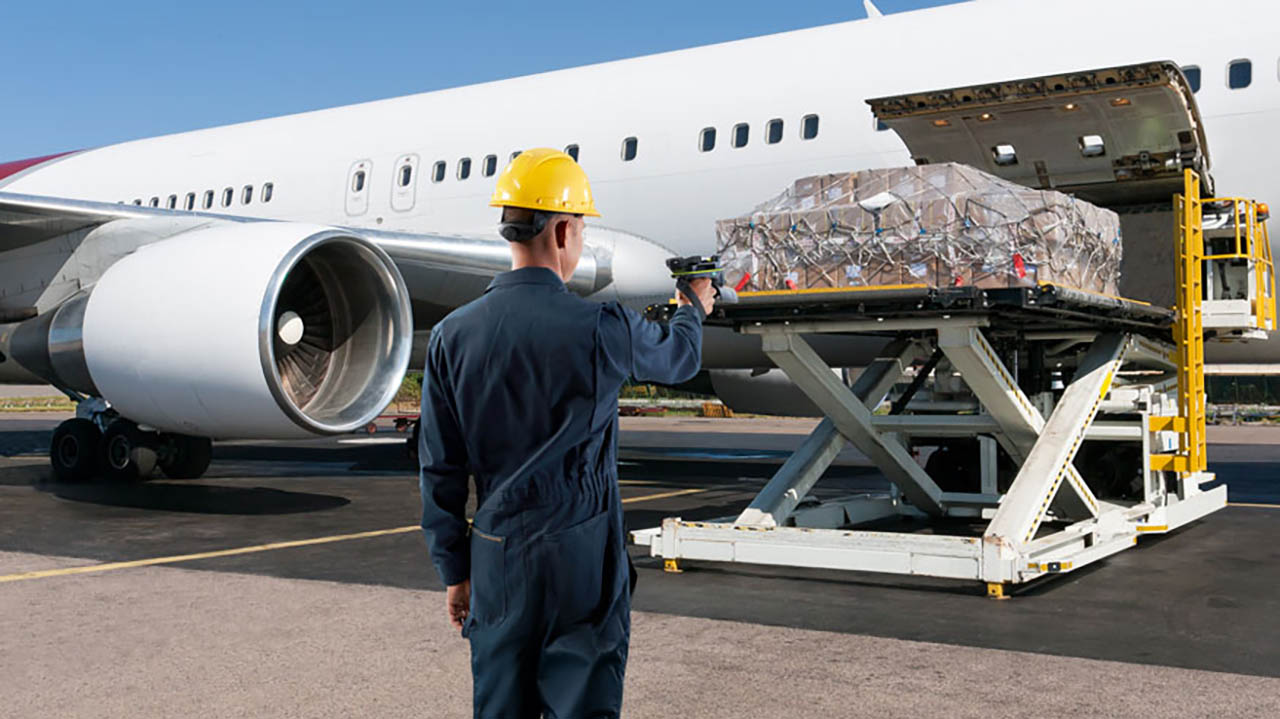
In the contemporary global business environment, supply chain management has been more difficult, complicated, and time-sensitive than ever. To a great extent, businesses rely on effective logistics to transport products all over continents and regions. Air freight has replaced the other modes of transport as an important component in the process of ensuring that goods are received on time, safely, and with few disruptions. Its role does not solely consist of the rapid delivery, but it promises the most important benefits in terms of the efficiency of its operations, control of its inventory, and the ability to satisfy customers on time.
Importance in Contemporary Trade
Air freight is very critical in ensuring reliability and promptness, particularly in time-sensitive areas. The air cargo confirms that delivery will be in hours/days compared to land or ocean transportation, which minimizes the possibility of delays that can affect the manufacturing lines and the presence in the market. It helps a company meet timelines, minimize downtimes, and make operations more efficient with a shortened transit time.
Increase Security and Reliability
Among the characteristics that distinguish air freight is its reliability. Uncertainty is not as much as there is in other modes of transport because airlines and cargo handlers generally adhere to schedules. Since air networks have other routing options, the delays caused by unfavorable weather conditions or unexpected disruptions are normally fixed promptly.
Air Freight’s Place in International Supply Chain Plans
Speed and flexibility are the hallmark qualities of world trade to which it is best adapted. It is necessary to facilitate the process of companies adjusting to the changing needs of customers, in acute cases of interruptions in the supply chain. Air transport is also used to deliver goods promptly, to launch promotional products to the market, and seasonal products to ensure that businesses remain competitive.
Integration of Freight and Shipping in the Supply Chain
To make supply chain management effective and cost-efficient, a balance between a number of freight and transportation techniques has to be maintained. Airfreight provides unmatched speed, flexibility, even when land and sea transportation is often more cost-effective when making bulk deliveries. A multimodal system that can adjust to changing company needs is created by combining several freight and shipping choices. Due to this integration, supply chains have been ensured to be strong and dynamic in changing conditions.
It also allows businesses to maintain their inventories to a minimum. The companies can concentrate on the just-in-time inventory policies and reduce warehousing costs with the assurance of faster replenishment. In doing so, supply chains will be more flexible and responsive to changing market needs, and they will also lower overheads and generate more cash.
Conclusion
Air freight has become an important part of the supply chain management systems because of its unparalleled speed, reliability, and security. In addition to transport, it also determines the inventory strategy, facilitates access to all parts of the world, and provides a resilient logistics activity.
It establishes a balanced system that supports efficiency and flexibility in contemporary supply chains by enhancing other freight and shipping techniques. It continues to revolutionize international trade in a world where accuracy and timeliness are key factors in corporate success. Strategic air cargo solutions can redefine supply chain performance and guarantee on-time delivery across worldwide markets, as shown by companies such as AVR Logistics.