


The Role of pH Sensors in Biochemical Research and Enzyme Studies
In biochemical research and enzyme studies, maintaining precise experimental conditions is critical for obtaining reliable and reproducible results. Among the various parameters that scientists monitor, pH stands out as one of the most influential factors. The activity, stability, and structure of enzymes are highly sensitive to changes in pH, making accurate measurement indispensable. A pH sensor plays a central role in ensuring controlled conditions for these experiments.
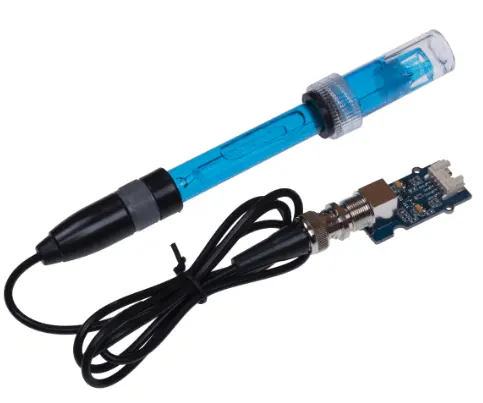
A pH sensor provides real-time monitoring of hydrogen ion concentration, allowing researchers to maintain optimal pH levels during enzymatic reactions. By detecting even subtle fluctuations, the sensor helps prevent conditions that could lead to enzyme denaturation or reduced activity. This precision is particularly important in studies involving kinetic analysis, enzyme inhibition, or protein stability.
Importance of pH Control in Enzyme Studies
Enzymes are biological catalysts whose functionality is profoundly affected by the acidity or alkalinity of their environment. Small deviations from the optimal pH can result in reduced reaction rates, altered substrate binding, or complete loss of enzymatic activity. Continuous monitoring using a pH sensor allows researchers to maintain the required pH, ensuring that experiments accurately reflect the enzyme’s behavior under controlled conditions.
Buffer solutions are commonly used in enzyme studies to stabilize pH, but even these can drift during reactions due to product formation or substrate consumption. The pH sensor provides feedback for adjustments, either manually or through automated control systems, maintaining consistent experimental conditions throughout the study.
Applications of pH Sensors in Biochemical Research
pH sensors are widely used in various biochemical and enzymology applications. In enzyme kinetics, they help determine the effect of pH on reaction velocity and catalytic efficiency. In protein folding studies, maintaining the correct pH prevents structural changes that could invalidate experimental results. Additionally, sensors are crucial in fermentation and cell culture research, where pH fluctuations can impact microbial or cellular growth and metabolism.
In automated laboratory setups, pH sensors can be integrated into bioreactors and microfluidic systems, enabling precise control over reaction conditions. This integration reduces manual intervention, enhances reproducibility, and allows high-throughput experimentation.
Advantages of Real-Time pH Monitoring
Real-time monitoring with a pH sensor offers several advantages in biochemical research. It enables immediate detection of pH shifts that could affect enzyme activity, allowing for corrective measures before irreversible changes occur. Continuous data logging also supports detailed analysis, providing insights into reaction dynamics, enzyme stability, and optimal working conditions.
Digital pH sensors further enhance accuracy by providing high-resolution readings and automatic temperature compensation. These features ensure that measurements are reliable under varying experimental conditions and reduce the risk of human error during critical studies.
Maintenance and Calibration in Research Settings
To ensure consistent performance, pH sensors require proper maintenance and calibration. Cleaning the electrode after each experiment prevents residue buildup that could impair readings, while calibration using standard buffer solutions aligns sensor output with accurate pH values. Regular maintenance is especially important in biochemical research, where precise measurement is critical for valid conclusions.
Proper storage is also necessary to maintain sensor longevity. Keeping the electrode hydrated in the recommended storage solution prevents damage to the glass membrane and preserves sensitivity for long-term use.
Supporting Reproducibility and Scientific Rigor
Reproducibility is a cornerstone of scientific research. Using a pH sensor to maintain stable conditions enhances the reproducibility of enzyme studies and biochemical experiments. By reducing variability caused by pH fluctuations, researchers can ensure that observed effects are due to experimental variables rather than uncontrolled environmental factors.
The integration of pH sensors into research protocols also supports compliance with laboratory standards and good laboratory practices. Accurate and well-documented pH monitoring contributes to high-quality data and reliable reporting.
Conclusion
The use of pH sensors in biochemical research and enzyme studies is essential for maintaining controlled experimental conditions, ensuring enzyme stability, and producing reliable results. By providing real-time, precise monitoring of pH, these sensors allow researchers to optimize reaction environments, support reproducibility, and gain deeper insights into enzymatic behavior. Proper maintenance, calibration, and integration into laboratory workflows make pH sensors indispensable tools in modern biochemical research.