
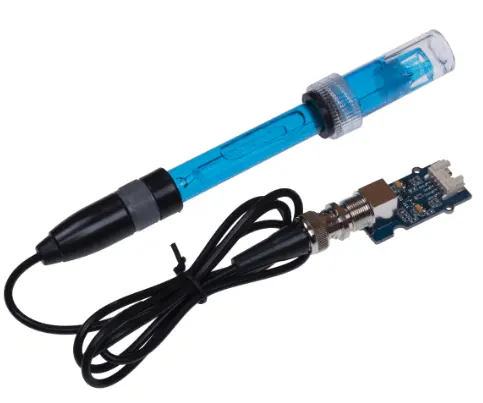
Environmental sampling is a critical practice for understanding the health of ecosystems, assessing pollution levels, and guiding conservation efforts. Among the various parameters monitored, pH is one of the most important, as it directly influences water quality, soil chemistry, and the survival of aquatic and terrestrial organisms. Implementing pH sensors in environmental sampling provides accurate, real-time data that enhances the reliability and efficiency of monitoring programs.
pH sensors measure the concentration of hydrogen ions in water, soil, or other liquid samples and convert this chemical information into an electrical signal that indicates the pH level. These sensors allow researchers to detect subtle changes in environmental conditions, which might be missed with periodic manual sampling. For a comprehensive overview of their technology and practical applications, you can refer to this guide on pH sensors, which explains how they function and their relevance in both laboratory and field settings.
Importance of pH Monitoring in Environmental Sampling
Monitoring pH is essential in environmental studies because it affects nutrient availability, chemical reactions, and the survival of plants and aquatic species. Acidic or alkaline conditions can indicate pollution, chemical spills, or natural fluctuations in ecosystem chemistry. By integrating pH sensors into sampling programs, environmental scientists can obtain continuous, high-resolution data, enabling them to track trends over time and identify areas requiring intervention.
Types of pH Sensors for Environmental Use
Various types of pH sensors are available to suit different environmental conditions and sampling requirements:
- Glass Electrode Sensors: Provide high accuracy for water and laboratory testing, ideal for standard environmental analysis.
- ISFET Sensors (Ion-Selective Field Effect Transistors): Robust and fast-responding, suitable for field deployment in challenging chemical or temperature conditions.
- Combination Electrodes: Integrate both measuring and reference electrodes into a single unit, offering convenience and durability for long-term environmental studies.
Selecting the appropriate sensor type is crucial for reliable measurements in different environmental contexts.
Integration With Data Logging Systems
Modern environmental sampling often combines pH sensors with automated data logging and monitoring systems:
- Continuous Monitoring: Real-time pH measurements allow for immediate identification of changes in environmental conditions.
- Remote Access: Networked sensors provide data from remote locations without the need for constant field presence.
- Trend Analysis: Logged data helps researchers study seasonal variations, pollution events, and long-term ecological changes.
- Alerts and Notifications: Automated alerts inform teams when pH values exceed or drop below predefined thresholds, enabling timely interventions.
This integration enhances the efficiency, reliability, and scope of environmental monitoring projects.
Maintenance and Calibration
To ensure accuracy, pH sensors used in environmental sampling require regular calibration and maintenance. Calibration with standard buffer solutions corrects for drift caused by temperature changes, electrode aging, or contamination. Routine cleaning prevents fouling from sediments, algae, or chemical deposits. Proper maintenance ensures consistent, reliable measurements, which is especially important for long-term ecological studies.
Applications in Environmental Studies
pH sensors are applied in a wide range of environmental sampling initiatives:
- Water Quality Monitoring: Tracking pH in rivers, lakes, and coastal areas to detect acidification, pollution, or ecosystem stress.
- Soil Testing: Measuring soil acidity or alkalinity to study fertility, nutrient availability, and agricultural impacts.
- Wetland and Estuary Studies: Monitoring pH fluctuations to understand habitat health and species distribution.
- Environmental Impact Assessments: Evaluating the effects of industrial discharge, construction projects, or chemical spills on local ecosystems.
In each application, accurate pH monitoring supports informed decision-making and helps protect natural resources.
Benefits of Using pH Sensors in Environmental Sampling
Utilizing pH sensors in environmental sampling provides several advantages:
- Accurate and Reliable Data: Continuous monitoring reduces errors associated with intermittent manual sampling.
- High Resolution Monitoring: Captures subtle changes in environmental conditions over time.
- Reduced Labor Requirements: Minimizes the need for frequent site visits, saving time and resources.
- Support for Research and Policy: Enables detailed analysis for scientific studies, regulatory reporting, and conservation planning.
- Early Detection of Environmental Issues: Identifies potential problems before they escalate, allowing for timely intervention.
These benefits make pH sensors a fundamental tool in modern environmental science.
Conclusion
pH sensors play a vital role in environmental sampling by providing accurate, real-time measurements of water, soil, and other liquids. Their integration with data logging and automated monitoring systems enhances the efficiency and reliability of ecological studies, supports regulatory compliance, and informs sustainable management of natural resources. By ensuring consistent and high-quality data, pH sensors empower researchers and environmental managers to make informed decisions that protect and preserve ecosystems for the long term.