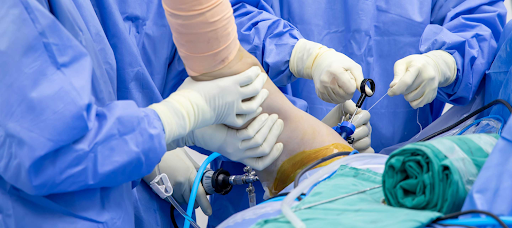


Common Conditions That Lead to Knee Replacement Surgery
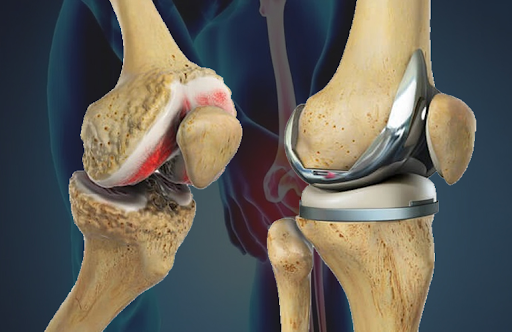
Knee pain is a widespread problem that can affect people of all ages, but it becomes more frequent and severe with age or injury. While mild knee pain can often be managed with rest, exercise, or medication, certain conditions can lead to long-term damage of the knee joint. In such cases, knee replacement surgery may be necessary to restore mobility, reduce pain, and improve quality of life.
This article explains the common conditions that often require knee replacement surgery in simple, easy-to-understand language.
Osteoarthritis
Osteoarthritis is the most common reason for knee replacement surgery. It occurs when the protective cartilage in the knee joint gradually wears away, causing bones to rub against each other. This can lead to:
- Severe pain, especially while walking or climbing stairs
- Swelling and stiffness
- Reduced mobility and difficulty performing daily tasks
Osteoarthritis usually develops slowly over years and is more common in older adults, though younger individuals with joint injuries may also be affected.
Rheumatoid Arthritis
Rheumatoid arthritis is an autoimmune disease where the body’s immune system attacks the joints, causing inflammation, pain, and swelling. Over time, it can damage the knee joint severely, leading to:
- Persistent pain and stiffness
- Swelling that may worsen in the morning
- Loss of joint function
When medications and other therapies are no longer effective, knee replacement surgery becomes a reliable option for long-term relief.
Post-Traumatic Arthritis
Injuries to the knee, such as fractures, ligament tears, or cartilage damage, can lead to post-traumatic arthritis. Even after healing from the initial injury, the joint may continue to deteriorate over time, causing:
- Chronic pain
- Swelling
- Difficulty walking or performing physical activities
Knee replcement surgery can restore joint function and help patients regain an active lifestyle.
Avascular Necrosis
Avascular necrosis occurs when the blood supply to the knee bone is reduced, leading to bone tissue death and eventual joint collapse. This condition may result from:
- Long-term steroid use
- Trauma to the knee
- Certain medical conditions affecting blood flow
Knee replacement surgery is often necessary when the joint structure is significantly damaged to relieve pain and restore mobility.
Deformities and Abnormal Joint Wear
Some people develop knee deformities or abnormal wear patterns due to genetics, uneven weight distribution, or other factors. Common examples include:
- Bow-legged or knock-kneed deformities
- Uneven cartilage loss in different parts of the knee
These issues can cause chronic pain, imbalance, and mobility problems, and knee replacement surgery can correct the alignment and function of the joint.
Understanding the Treatment and Costs
Patients considering knee replacement surgery should consult an orthopedic specialist to evaluate the condition and discuss the best treatment options. During this stage, many patients also seek information about the Knee Replacement Surgery Cost In India, which can vary depending on hospital, type of implant, surgical technique, and additional services required.
Recovery and Rehabilitation
After knee replacement surgery, physical therapy and rehabilitation are crucial for regaining strength, flexibility, and full mobility. Recovery usually involves:
- Gradual increase in walking and weight-bearing activities
- Exercises to strengthen leg muscles
- Monitoring for any post-surgery complications
With proper care, most patients experience significant pain relief and can return to normal daily activities within a few months.
Final Thoughts
Several conditions, including osteoarthritis, rheumatoid arthritis, post-traumatic arthritis, avascular necrosis, and knee deformities, can lead to the need for knee replacement surgery. Early consultation with a specialist can help manage symptoms and prevent further damage. When conservative treatments fail, knee replacement surgery offers a safe and effective solution to restore joint function, reduce pain, and improve overall quality of life.