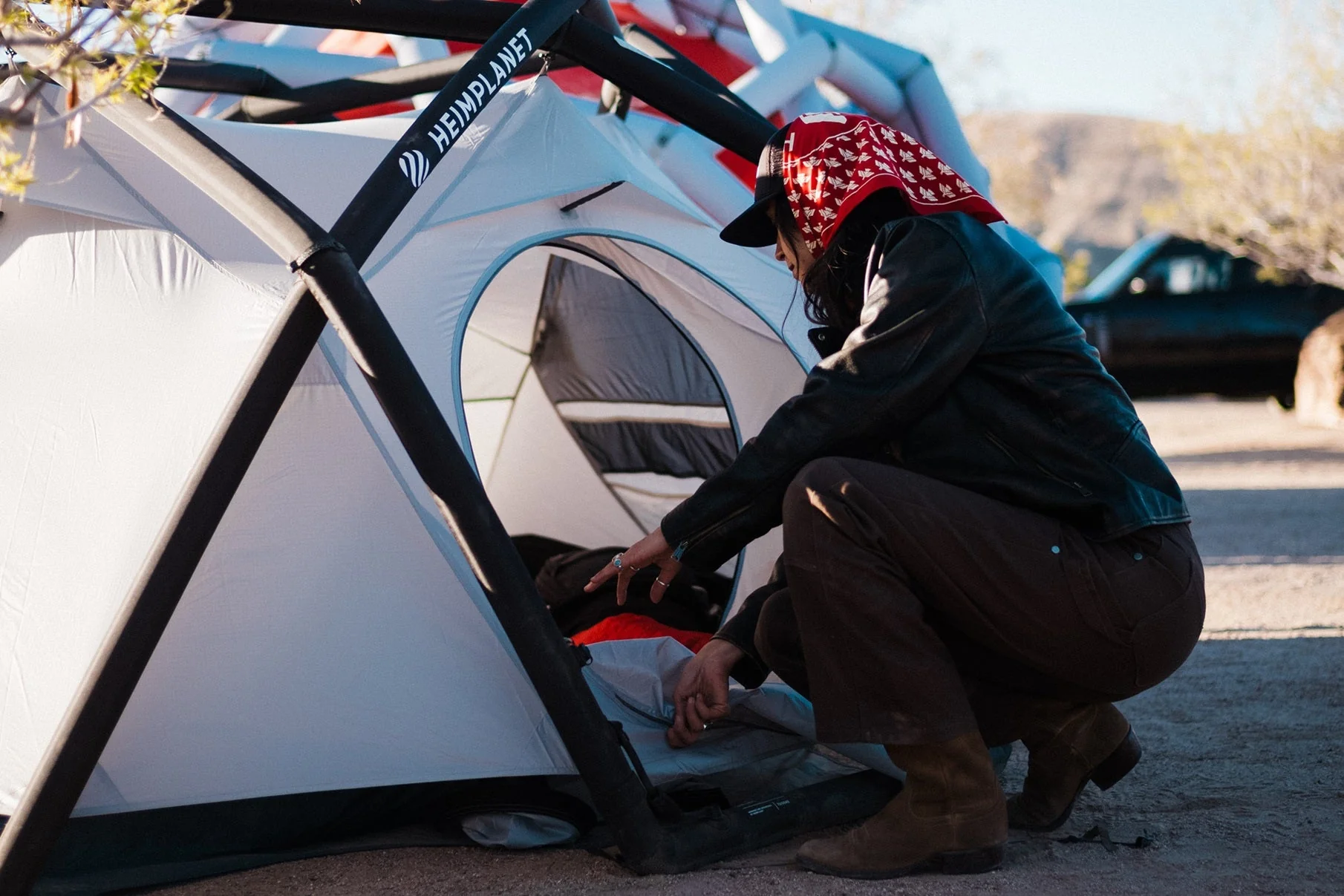
Inflatable tents have become an essential solution for modern outdoor needs, ranging from exhibitions and sporting events to disaster relief and military applications. Their lightweight structure, rapid installation, and strong weather resistance make them a preferred alternative to traditional frame tents. Behind their convenience lies a detailed and highly controlled manufacturing process that ensures safety, durability, and performance. Exploring how inflatable tents are produced offers valuable insight into the craftsmanship and technology involved.
The manufacturing journey begins inside an Inflatable Tent Factory, where planning and coordination shape the foundation of every product. Manufacturers analyze market demand, customer requirements, and industry benchmarks before production begins. Many teams also review leading manufacturers and production standards using resources such as Inflatable Tent Factory comparisons to refine their processes. This early-stage research helps factories align design goals with international quality expectations and application-specific needs.
Design and Engineering Development
Once the concept is defined, the design and engineering phase begins. Designers create detailed digital models using advanced CAD software. These designs outline the tent’s dimensions, internal air beams, door placements, ventilation systems, and anchoring points. Engineers then evaluate airflow distribution and pressure tolerance to ensure the tent remains stable under various conditions, including wind and rain. Structural simulations help identify stress points and allow adjustments before physical production begins.
Material Selection and Quality Control
Material choice is critical in inflatable tent production. Most factories use high-strength PVC-coated fabric or TPU materials due to their flexibility, tear resistance, and waterproof properties. These materials are carefully tested for thickness, tensile strength, UV resistance, and air retention. Quality control teams inspect raw materials upon arrival to ensure they meet strict manufacturing standards. Using substandard materials can compromise safety, so this step is vital for long-term durability.
Precision Cutting and Fabric Preparation
After materials are approved, fabric cutting begins. Automated cutting machines or laser cutters are often used to ensure accuracy and consistency. Each panel is cut according to the digital design specifications, minimizing waste and ensuring uniformity across production batches. Clear labeling of fabric pieces helps streamline the assembly process and reduces the risk of errors during later stages.
Welding and Structural Assembly
The assembly phase is where the inflatable tent truly takes shape. Instead of traditional stitching, most inflatable tents are assembled using high-frequency or hot-air welding techniques. Welding creates airtight seams that are stronger and more durable than sewn seams. Skilled technicians carefully join panels to form air chambers, support beams, and outer walls. Precision during this stage ensures proper air distribution and structural integrity.
Installation of Accessories and Features
Once the main structure is assembled, additional components are added. These include doors, windows, ventilation panels, reinforcement layers, and anchoring systems. Some tents may also feature branding elements, transparent panels, or modular extensions. Electrical ports, lighting mounts, and emergency exits are installed depending on the tent’s intended use. Each feature is securely integrated to maintain airtight performance.
Inflation Testing and Safety Inspection
Before leaving the factory, every inflatable tent undergoes rigorous testing. The tent is fully inflated to check for air leaks, seam strength, and shape accuracy. Pressure tests confirm that the structure can withstand extended use without deformation. Safety inspections also verify anchoring points and load-bearing areas. Any defects identified during testing are corrected immediately to meet quality standards.
Final Packaging and Distribution
After passing inspection, the inflatable tent is deflated, folded, and packaged with accessories such as blowers, repair kits, and user manuals. Proper packaging protects the tent during transportation and storage. The final product is then prepared for shipping to distributors or directly to customers around the world.
Conclusion
Inside an Inflatable Tent Factory, every stage of production is carefully managed to deliver reliable and high-performing inflatable structures. From digital design and material testing to precision welding and final inspection, each step contributes to the quality of the finished product. Understanding this process highlights the expertise required to transform innovative ideas into practical inflatable tents ready for real-world use.