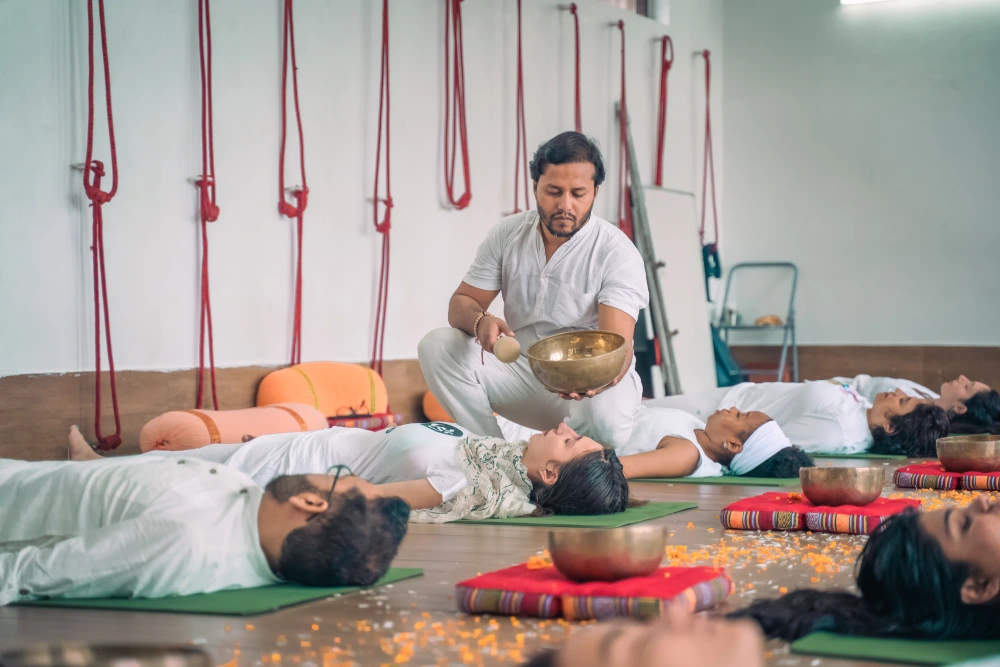
Life today often feels like a continuous cycle of responsibility, urgency, and mental noise. Even when we take short breaks or vacations, the mind rarely slows down enough to truly rest. As stress accumulates, many people begin to search for something deeper than entertainment—an experience that allows them to reconnect with themselves, restore inner balance, and return to life with renewed clarity and strength.
A Yoga retreat offers exactly that kind of intentional escape. It is not about running away from life, but about pausing long enough to realign the body, calm the mind, and nourish the spirit. Unlike traditional holidays, retreats are thoughtfully structured to support long-lasting well-being rather than temporary relaxation.
The Deeper Meaning Behind Retreat-Based Living
At its core, retreat living is about conscious presence. Yoga retreats are designed to create a rhythm that encourages mindfulness in everyday actions—walking, eating, breathing, and resting. This slower pace helps participants notice patterns they may overlook in daily life, such as tension in the body or repetitive thought cycles.
The experience often blends yoga practice with meditation, breathwork, and moments of silence. These elements work together to cultivate awareness and self-understanding. Over time, this awareness becomes a powerful tool for managing stress and making healthier life choices.
How the Body Responds to Consistent Yoga Practice
One of the most noticeable benefits of a yoga retreat is the way the body responds to daily, mindful movement. Gentle yet consistent sessions help release stored tension, improve posture, and increase overall flexibility. Unlike high-impact workouts, yoga supports the body without overexertion, making it accessible and sustainable.
Improved circulation and mindful breathing also enhance energy levels. Many participants report feeling lighter, more mobile, and less fatigued within just a few days. When combined with balanced meals and adequate rest, the body naturally begins to reset and function more efficiently.
Mental Detox in a Digitally Driven World
Constant exposure to screens and information overload can overwhelm the mind. Yoga retreats intentionally reduce these distractions, allowing the nervous system to slow down. Without the pressure of emails, social media, or deadlines, the mind gains space to rest and recover.
Meditation sessions guide participants toward mental clarity by teaching them how to observe thoughts without becoming overwhelmed. This practice helps reduce anxiety, improve focus, and build emotional resilience. Many people leave a retreat with a renewed ability to handle stress calmly and thoughtfully.
Emotional Balance and Inner Awareness
Emotional well-being is a central focus of retreat experiences. When daily distractions fade away, emotions that have been ignored or suppressed often come to the surface. This process can feel intense, but it is also deeply healing.
Through guided reflection and mindful practices, participants learn to acknowledge emotions with compassion rather than judgment. This emotional awareness fosters self-acceptance and often leads to personal breakthroughs. Many individuals gain clarity about relationships, life goals, and personal boundaries during their retreat journey.
The Role of Environment in the Healing Process
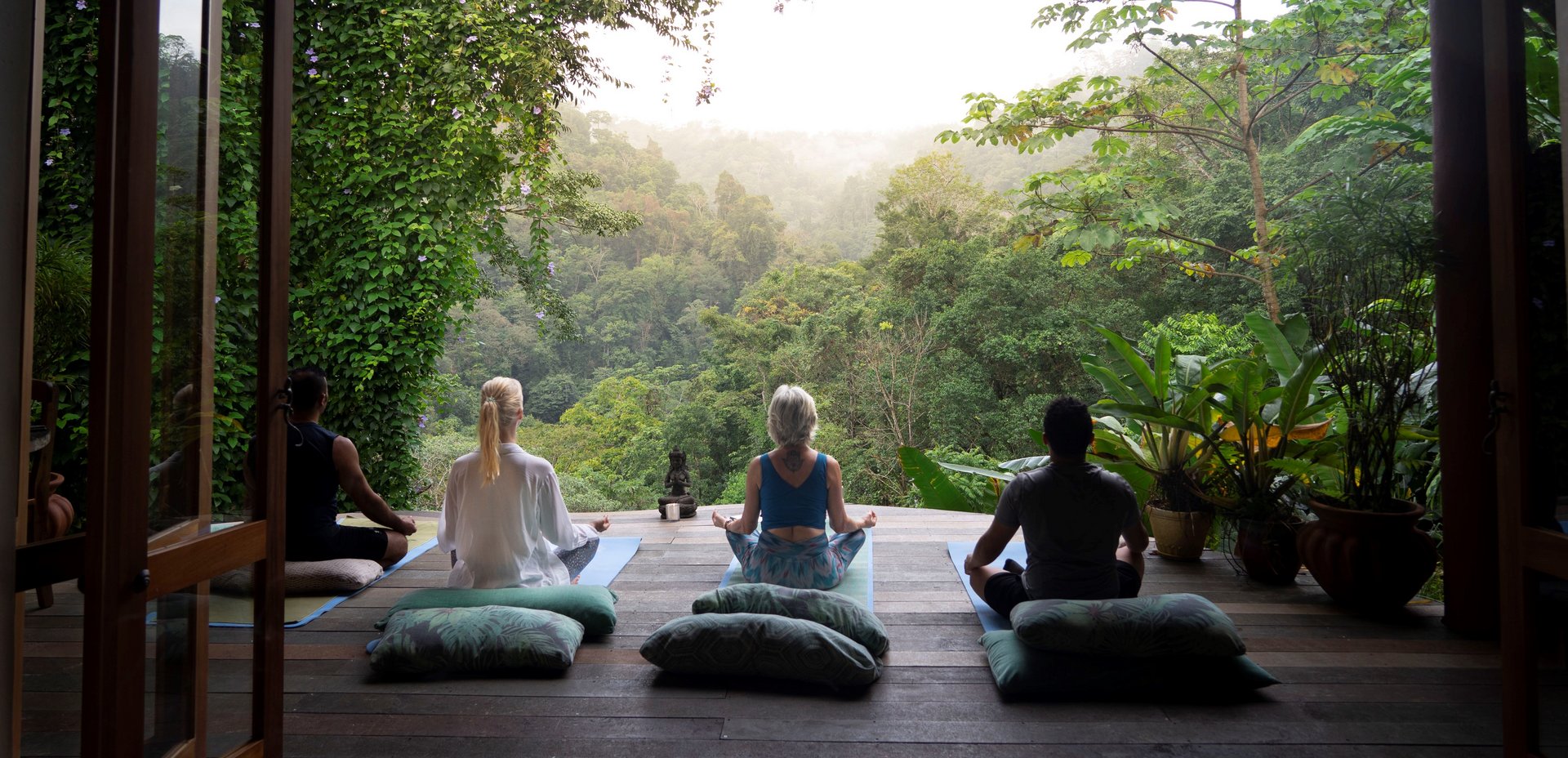
The setting of a yoga retreat plays a crucial role in its effectiveness. Retreats are often held in serene locations surrounded by nature—mountains, beaches, forests, or peaceful rural landscapes. These environments naturally support relaxation and introspection.
Nature has a grounding effect on the mind and body. Fresh air, open spaces, and natural sounds reduce stress hormones and promote a sense of calm. Practicing yoga in such surroundings deepens the experience, helping participants feel more connected to themselves and the world around them.
Nourishment That Supports Holistic Health
Food at yoga retreats is typically prepared with intention and care. Meals are often plant-based, balanced, and designed to support digestion and energy levels. Eating mindfully becomes part of the overall experience, encouraging participants to listen to their body’s needs.
This approach to nourishment helps reset eating habits and promotes a healthier relationship with food. Many participants return home inspired to make more conscious dietary choices that support long-term well-being.
Community Without Pressure or Judgment
While a yoga retreat is a personal journey, it is also a shared experience. Participants often come from different backgrounds but share a common desire for growth and healing. This creates a sense of community built on mutual respect and understanding.
Group practices, shared meals, and open discussions foster genuine human connection. Unlike everyday social settings, these interactions are free from expectations and competition. Many people find comfort and inspiration in the collective energy of the group, forming meaningful connections that last beyond the retreat.
Welcoming All Levels and Life Stages
Yoga retreats are designed to be inclusive and adaptable. Whether someone is completely new to yoga or has years of experience, instructors typically offer variations to suit individual needs. The focus remains on listening to the body rather than pushing limits.
This inclusivity makes retreats suitable for people of different ages, fitness levels, and life stages. Each participant is encouraged to move at their own pace, creating a safe and supportive environment for growth.
Bringing Retreat Wisdom Back Home
The most valuable aspect of a yoga retreat is how its lessons continue to influence daily life. Participants often leave with simple practices that can be integrated into their routine, such as mindful breathing, short meditation sessions, or gentle stretching.
These practices help maintain balance long after the retreat ends. Over time, they contribute to improved mental clarity, emotional stability, and overall quality of life.
Final Perspective
In a world that rarely slows down, choosing to pause is a powerful act of self-care. A yoga retreat provides the space to heal, reflect, and reconnect with what truly matters. Through mindful movement, mental stillness, nourishing food, and meaningful connection, individuals rediscover a sense of balance that often feels lost in everyday life.
Whether seeking relief from stress, a deeper connection with oneself, or a healthier lifestyle, a thoughtfully chosen retreat can be a transformative experience. It is not just a break from routine—it is an investment in long-term well-being, clarity, and inner peace.