

HVAC System Design for ISO Class 5 Cleanrooms
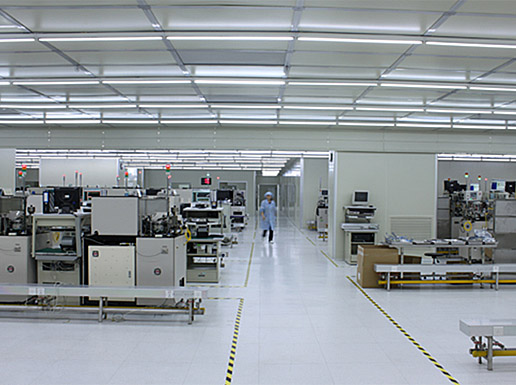
The design of HVAC (Heating, Ventilation, and Air Conditioning) systems is a critical factor in achieving and maintaining the stringent cleanliness standards required for an ISO Class 5 cleanroom. These controlled environments are used in industries such as pharmaceuticals, biotechnology, medical device manufacturing, and microelectronics, where even microscopic contamination can compromise product quality or safety. A properly designed HVAC system ensures precise control of airflow, temperature, humidity, and pressure differentials, all of which are essential for maintaining ISO Class 5 standards.
The HVAC system for an ISO Class 5 cleanroom must be engineered to support a consistent flow of filtered air while removing contaminants generated by personnel, equipment, and processes. The system’s design, installation, and maintenance directly influence the cleanroom’s performance, energy efficiency, and compliance with international standards. Understanding the key principles of HVAC design is essential for cleanroom engineers, facility managers, and quality assurance teams.
Understanding ISO Class 5 Cleanroom Requirements
ISO Class 5 cleanrooms, as defined by ISO 14644-1, allow a maximum of 3,520 particles per cubic meter that are 0.5 micrometers or larger. Achieving this level of cleanliness requires careful planning of the HVAC system, including high-efficiency filtration, unidirectional airflow, and strict environmental controls. Maintaining consistent airflow, temperature, humidity, and positive pressure is vital to prevent contamination and ensure reliable operation.
For detailed information on ISO Class 5 cleanroom design and operational requirements, resources such as the ISO Class 5 Cleanroom provide comprehensive guidance. These resources help designers and facility planners understand filtration, airflow, and HVAC system requirements critical for achieving compliance and optimal performance.
Airflow Design and Control
Airflow design is one of the most important considerations for HVAC systems in ISO Class 5 cleanrooms. Laminar or unidirectional airflow is the preferred approach, where filtered air moves in a uniform, single direction, typically from ceiling to floor. This airflow pattern ensures that particles are continuously swept away from critical areas, reducing the risk of contamination.
The air change rate in ISO Class 5 cleanrooms is higher than in lower-class cleanrooms to maintain cleanliness. The HVAC system must supply enough clean, filtered air to achieve the required air changes per hour while maintaining proper velocity and minimizing turbulence. Air distribution is carefully planned to eliminate dead zones where contaminants could accumulate.
Filtration Requirements
High-efficiency filtration is a key component of HVAC systems for ISO Class 5 cleanrooms. HEPA filters, which remove at least 99.97% of particles 0.3 micrometers in size, are standard, while ULPA filters may be used for processes requiring even stricter contamination control. Filter placement, sealing, and regular maintenance are critical to ensure consistent performance.
Filters are typically installed in the ceiling as part of a supply air plenum to maintain laminar airflow. The HVAC system must be designed to accommodate pressure drops across filters and allow for easy replacement without compromising cleanroom integrity. Routine testing and certification of filter efficiency are essential to maintain compliance with ISO Class 5 standards.
Temperature and Humidity Control
Precise temperature and humidity control is necessary for both personnel comfort and process stability. Variations in temperature can affect airflow patterns, while uncontrolled humidity may promote microbial growth or condensation. HVAC systems for ISO Class 5 cleanrooms include humidifiers, dehumidifiers, and cooling/heating coils to maintain tight environmental tolerances.
Automated control systems monitor temperature and humidity in real time, allowing for rapid adjustments and alerts if deviations occur. Maintaining stable environmental conditions supports cleanroom performance, reduces contamination risk, and ensures consistent product quality.
Pressure Differentials and Containment
Maintaining proper pressure differentials between the cleanroom and surrounding areas is essential for contamination control. ISO Class 5 cleanrooms are usually maintained at a positive pressure relative to adjacent spaces. This ensures that when doors are opened, airflow moves outward rather than inward, preventing the ingress of contaminated air.
The HVAC system must be capable of maintaining these pressure differentials under varying operational conditions, including personnel movement, door openings, and equipment operation. Pressure control is typically achieved through variable air volume systems, airlocks, and monitoring sensors that adjust supply and exhaust airflow as needed.
Monitoring and Maintenance of HVAC Systems
Continuous monitoring and preventive maintenance are critical to ensure the long-term performance of HVAC systems in ISO Class 5 cleanrooms. Key parameters such as airflow velocity, pressure differentials, temperature, and humidity are tracked in real time. Routine maintenance of filters, fans, and sensors prevents system failures and helps maintain compliance with ISO standards.
Validation of HVAC performance through airflow visualization, particle counting, and filter testing is also part of regular maintenance procedures. Proper documentation of monitoring and maintenance activities supports regulatory compliance and provides traceability for audits or inspections.
Conclusion
HVAC system design is a cornerstone of ISO Class 5 cleanroom performance. By ensuring precise control of airflow, filtration, temperature, humidity, and pressure differentials, HVAC systems help maintain stringent cleanliness standards and protect sensitive processes. Effective design, regular monitoring, and preventive maintenance are essential to achieve compliance, optimize energy efficiency, and support the reliable operation of ISO Class 5 cleanrooms in critical manufacturing and research applications.