

Stainless Steel Floor Traps: Function, Types, and Maintenance Tips
Maintaining a clean and efficient drainage system is essential for both residential and commercial buildings. One of the critical components in this system is the floor trap. Floor traps prevent foul odors, debris, and pests from entering living spaces while ensuring smooth water flow. Among various options available, stainless steel floor traps stand out due to their durability, corrosion resistance, and sleek appearance. This article explores their function, types, and essential maintenance tips.
Function of Stainless Steel Floor Traps
The primary function of a floor trap is to facilitate drainage while preventing backflow of sewer gases. These traps work by creating a water seal, which acts as a barrier between the drain and the indoor environment. When water flows into the trap, it fills a U-shaped section, blocking any unwanted odors from entering.
Stainless steel floor traps are particularly advantageous because they resist rust and corrosion, even when exposed to moisture and cleaning chemicals. This makes them ideal for areas prone to frequent water exposure, such as bathrooms, kitchens, and commercial washrooms. Additionally, the robust nature of stainless steel ensures that the trap maintains its structural integrity over time, reducing the need for frequent replacements.
Types of Stainless Steel Floor Traps
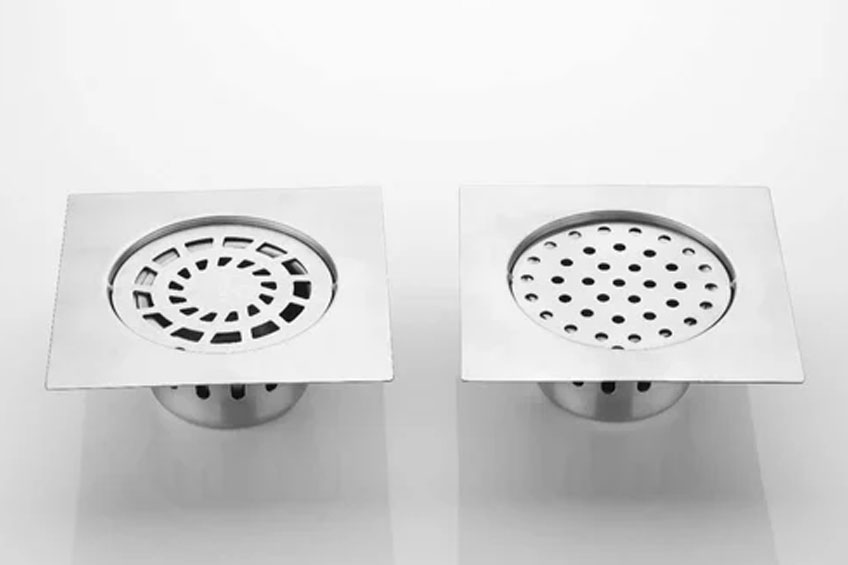
Stainless steel floor traps come in various designs to suit different installation needs and preferences. Understanding these types can help in selecting the right trap for your space.
- Square Floor Traps: These are the most common type, characterized by their square shape. They are easy to install and fit neatly into tiled floors, providing an aesthetically pleasing finish.
- Round Floor Traps: Round traps are often used in areas with limited floor space. Their circular design allows efficient water flow and makes cleaning straightforward.
- Linear or Channel Floor Traps: Designed for larger bathrooms or commercial spaces, linear traps handle high volumes of water and prevent overflow. They are ideal for wet rooms, where water needs to be quickly directed toward the drain.
- Heavy-Duty Floor Traps: These are suitable for industrial or commercial settings where the floor trap is exposed to heavy foot traffic or machinery. The reinforced stainless steel construction ensures durability under extreme conditions.
When choosing the right type, consider factors such as water flow, floor layout, and the level of exposure to moisture. A well-selected trap not only improves drainage efficiency but also enhances the overall hygiene of the area.
Installation and Proper Placement
Proper installation is crucial for maximizing the effectiveness of stainless steel floor traps. The trap should be positioned at the lowest point of the floor to allow water to flow naturally toward it. Incorrect installation can lead to water stagnation, unpleasant odors, or even leakage.
For areas like bathrooms, kitchens, and laundry rooms, it is essential to ensure that the trap aligns with the floor slope, promoting efficient drainage. Additionally, the trap should be accessible for routine cleaning, which will extend its lifespan and maintain hygiene standards. Choosing a quality product is equally important; for instance, a well-designed Stainless Steel Floor Trap can provide reliable performance for years while requiring minimal maintenance.
Maintenance Tips for Stainless Steel Floor Traps
Routine maintenance ensures that floor traps function efficiently and remain free from blockages. Here are several tips to keep your stainless steel floor trap in top condition:
- Regular Cleaning: Remove debris, hair, and dirt from the trap weekly to prevent clogs. Stainless steel can withstand scrubbing with mild detergents without corroding.
- Use a Drain Cleaner Occasionally: For stubborn residues, a mild enzymatic drain cleaner can help keep the pipes clear without damaging the stainless steel. Avoid harsh chemicals that could compromise the metal finish.
- Check for Leaks: Inspect the floor trap periodically for any signs of leakage. Tighten fittings if necessary and ensure that the water seal is maintained.
- Polish the Surface: Stainless steel can lose its shine over time. Polishing with a soft cloth and a stainless steel cleaner restores its original luster, keeping the trap both functional and visually appealing.
- Prevent Water Stagnation: Make sure that the floor maintains a slight slope toward the trap. Stagnant water can lead to unpleasant odors and microbial growth, even in stainless steel traps.
Conclusion
Stainless steel floor traps are a reliable and long-lasting solution for effective drainage in both residential and commercial settings. Their corrosion resistance, durability, and variety of designs make them a preferred choice for modern bathrooms, kitchens, and wet rooms. By understanding their functions, types, and proper maintenance practices, property owners can ensure efficient water drainage, improved hygiene, and a more aesthetically pleasing environment. Regular care and timely cleaning will help your stainless steel floor trap perform optimally for years, minimizing plumbing issues and enhancing overall comfort.