
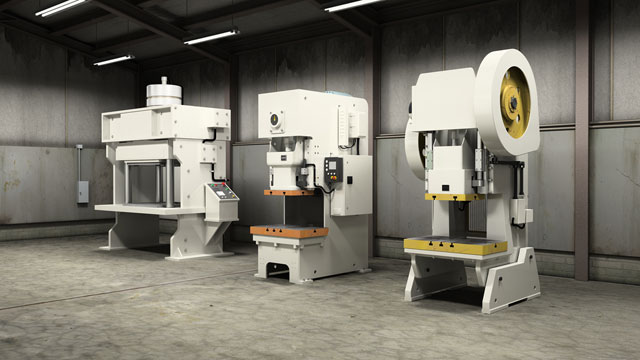
Power Press machines are essential equipment in modern metal forming industries, used for operations such as stamping, punching, bending, and drawing. The performance, reliability, and safety of these machines directly impact production efficiency and product quality in various manufacturing sectors, including automotive, construction, and electronics. To ensure consistent output and long-term operational reliability, power press machine manufacturers implement rigorous quality control processes at every stage of production. These processes cover design, material selection, assembly, testing, and final inspection.
Quality control begins at the design phase, where engineers focus on precision, durability, and compliance with international standards. A reputable Power Press Machine Manufacturer incorporates strict quality guidelines during the design stage, ensuring that machines meet both functional requirements and regulatory compliance. Computer-aided design (CAD) and simulation tools are often used to model stresses, tolerances, and force distribution, helping identify potential issues before production begins. By integrating quality standards early in the design process, manufacturers can reduce defects, minimize material waste, and improve overall machine performance.
Material Inspection and Verification
One of the first steps in the manufacturing process is verifying the quality of raw materials. Power press machines are built using high-strength steel, alloys, and other materials capable of withstanding repeated mechanical stress. Material certification, hardness testing, and chemical composition analysis are essential to ensure that every component meets the required specifications. By following these procedures, manufacturers prevent structural weaknesses and ensure that frames, gears, shafts, and other critical components can endure the high loads encountered during operations.
Material inspection also extends to components sourced from third-party suppliers. Every incoming part undergoes dimensional verification and performance testing to confirm consistency with design requirements. This proactive approach reduces the risk of assembly errors, improves machine longevity, and ensures operational safety.
Assembly and Process Monitoring
During the assembly stage, power press machine manufacturers implement strict process monitoring to maintain quality standards. Skilled technicians assemble components with attention to alignment, tolerances, and fitment. Misalignment in critical parts such as the ram, bed, or die holder can result in uneven force distribution, excessive wear, and safety hazards. To prevent these issues, precision measuring instruments, laser alignment tools, and torque sensors are used throughout assembly.
Process monitoring also involves continuous inspections and verification at key production stages. For example, after frame welding or machining, components are checked for dimensional accuracy, surface finish, and structural integrity. This approach ensures that errors are detected early, reducing the need for costly rework or adjustments later in the production cycle.
Testing and Calibration
Once a power press machine is fully assembled, it undergoes comprehensive testing and calibration. This is a critical phase in the quality control process, as it verifies both performance and safety features. Standard tests include load trials, stroke measurement, operational cycle checks, and vibration analysis. These tests simulate real-world operating conditions to ensure that the machine functions reliably under continuous use.
Safety mechanisms are also tested during this phase. Emergency stop switches, guards, interlocks, and limit controls are evaluated to confirm compliance with ISO, CE, or ANSI safety standards. Calibration ensures that the ram speed, pressure, and positioning meet precise design specifications, which is vital for applications requiring high accuracy, such as metal stamping or precision punching.
Final Inspection and Documentation
The final inspection stage involves a thorough review of the machine before delivery to the customer. Quality control teams examine every component, verify alignment, confirm operational parameters, and ensure that all safety features are fully functional. In addition, surface finishes, paint coatings, and cosmetic details are checked to meet aesthetic and functional standards.
Documentation is an essential part of the final inspection. Manufacturers provide detailed reports of material certifications, testing results, calibration data, and maintenance guidelines. This documentation not only ensures traceability and accountability but also supports after-sales service, helping customers maintain the machine in optimal condition throughout its operational life.
Continuous Improvement and Feedback
Quality control does not end with manufacturing and delivery. Leading power press machine manufacturers implement continuous improvement programs to enhance product reliability and performance. Feedback from customers, performance monitoring in operational environments, and internal audits help identify areas for enhancement. Process improvements, updated safety features, and advanced materials may be integrated into future production cycles to maintain high standards and meet evolving industrial requirements.
Conclusion
Quality control is a vital component in the production of power press machines. By implementing rigorous processes at every stage—from design and material inspection to assembly, testing, and final review—manufacturers ensure that these machines deliver consistent performance, safety, and durability. A trusted Power Press Machine Manufacturer prioritizes precision, adherence to international standards, and continuous improvement to provide equipment that supports efficient and safe metal forming operations. These quality control processes not only guarantee operational reliability but also reinforce customer confidence in the machines, ensuring long-term satisfaction and productivity in industrial applications.