



How Small Businesses Can Future-Proof Their Digital Presence in 2026 with 3D Modeling
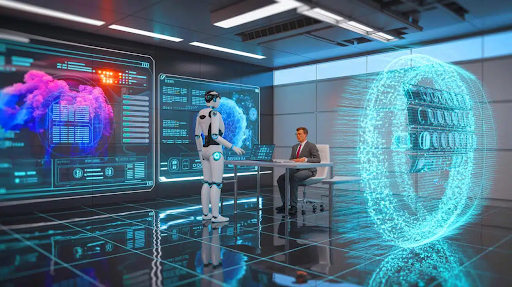 3D modeling
In 2026, small businesses are no longer competing only on price or location—they’re competing on experience. Customers expect immersive visuals, interactive content, and a digital presence that feels modern, trustworthy, and engaging. One of the most powerful ways small businesses can stay ahead of this curve is by integrating 3D modeling into their digital strategy.
3D modeling is no longer limited to gaming studios or large enterprises. Today, it’s an accessible, cost-effective tool that helps small businesses stand out, communicate value clearly, and build long-term brand credibility. From product visualization to marketing, e-commerce, and even training, 3D assets are shaping the future of online business.
Why Digital Presence Matters More Than Ever in 2026
The digital landscape has become crowded. Websites, ads, and social media feeds are filled with similar stock images and recycled content. Customers now scroll past anything that doesn’t immediately catch their attention.
A strong digital presence in 2026 means:
- Visually rich content
- Faster understanding of products and services
- Interactive and engaging user experiences
- Trust built through clarity and professionalism
This is where 3D modeling creates a clear advantage.
What Is 3D Modeling and Why It’s a Game-Changer
3D modeling is the process of creating three-dimensional digital representations of objects, products, environments, or characters. These models can be rotated, animated, customized, and reused across multiple platforms.
For small businesses, 3D modeling offers:
- Realistic product visualization
- Reduced need for expensive photoshoots
- Consistent branding across platforms
- Scalability for future campaigns
Instead of relying on flat images, businesses can present their offerings in a way that feels tangible and interactive.
1. Enhancing Website Experience with 3D Visuals
Your website is often the first impression a customer has of your business. In 2026, static websites struggle to hold attention, while interactive experiences keep users engaged longer.
How 3D Modeling Helps:
- 360-degree product views allow customers to explore details from every angle
- Interactive 3D elements improve the time spent on the site
- Clear product understanding reduces confusion and bounce rates
For example, a small furniture brand can showcase 3D models of chairs or tables, allowing visitors to rotate, zoom, and view materials closely—creating confidence before purchase.
2. Boosting E-Commerce Conversions with 3D Product Models
Online shoppers can’t touch or test products, which often leads to hesitation and abandoned carts. 3D modeling bridges this gap by simulating a real-world experience.
Benefits for Small E-Commerce Businesses:
- Fewer product returns due to clearer expectations
- Higher conversion rates
- Stronger buyer trust
In 2026, customers increasingly prefer stores that offer interactive product previews, and search engines also reward sites with higher engagement.
3. Strengthening Branding Through Consistent 3D Assets
Brand consistency is key to long-term success. 3D modeling allows businesses to create reusable digital assets that maintain the same quality and style across all platforms.
These assets can be used for:
- Website visuals
- Social media content
- Paid advertisements
- Email marketing
- Product launches
Instead of redesigning visuals repeatedly, small businesses can build a 3D asset library that grows with their brand.
4. Standing Out in Digital Marketing and Advertising
Attention is the new currency. In crowded ad spaces, 3D visuals outperform traditional images because they feel modern and dynamic.
How 3D Improves Marketing:
- Eye-catching animated ads
- Unique social media content
- Better storytelling through visuals
A small tech startup, for instance, can use 3D animations to explain complex products in seconds—something text or flat images struggle to do.
5. Preparing for AR, VR, and Metaverse-Ready Platforms
Future-proofing means thinking ahead. Augmented Reality (AR), Virtual Reality (VR), and immersive digital platforms are becoming more mainstream.
3D models are the foundation of these technologies. Businesses that already use 3D assets will have a smoother transition into:
- AR product previews
- Virtual showrooms
- Interactive digital environments
Small businesses that invest early position themselves as innovators, not followers.
6. Cost-Effective Scaling for Growing Businesses
One common misconception is that 3D modeling is expensive. In reality, it often saves money over time.
Why It’s Cost-Efficient:
- One 3D model can be reused endlessly
- No repeated photography costs
- Easy updates for new colors, textures, or variations
For growing small businesses, this flexibility is crucial when launching new products or entering new markets.
7. Improving SEO and User Engagement
Search engines increasingly prioritize user experience. Websites with interactive elements and longer session durations tend to rank higher.
3D modeling contributes to:
- Lower bounce rates
- Higher engagement metrics
- Improved content quality signals
When paired with optimized text, 3D visuals can significantly enhance overall SEO performance.
8. Building Trust and Professional Credibility
In 2026, trust is built visually. Customers associate high-quality design with professionalism and reliability.
3D modeling:
- Shows attention to detail
- Makes products feel more real
- Creates transparency
For service-based businesses, 3D visuals can explain processes, workflows, or results—helping customers understand exactly what they’re paying for.
Also Read: How to Automate Photorealistic 3D Model Generation from 2D Product Photos
How Small Businesses Can Start with 3D Modeling
Getting started doesn’t require a massive investment. Small businesses can:
- Begin with key products or services
- Use 3D visuals for flagship pages
- Partner with professional 3D modeling service providers
- Gradually expand usage across platforms
The key is to start strategically and scale over time.
Final Thoughts
Future-proofing your digital presence in 2026 isn’t about chasing every trend—it’s about choosing technologies that deliver long-term value. 3D modeling empowers small businesses to compete visually, communicate clearly, and adapt to future digital platforms with confidence.
By investing in 3D assets today, small businesses don’t just keep up with the future—they help define it.