


Safety Practices When Operating an Insulation Cutting Machine
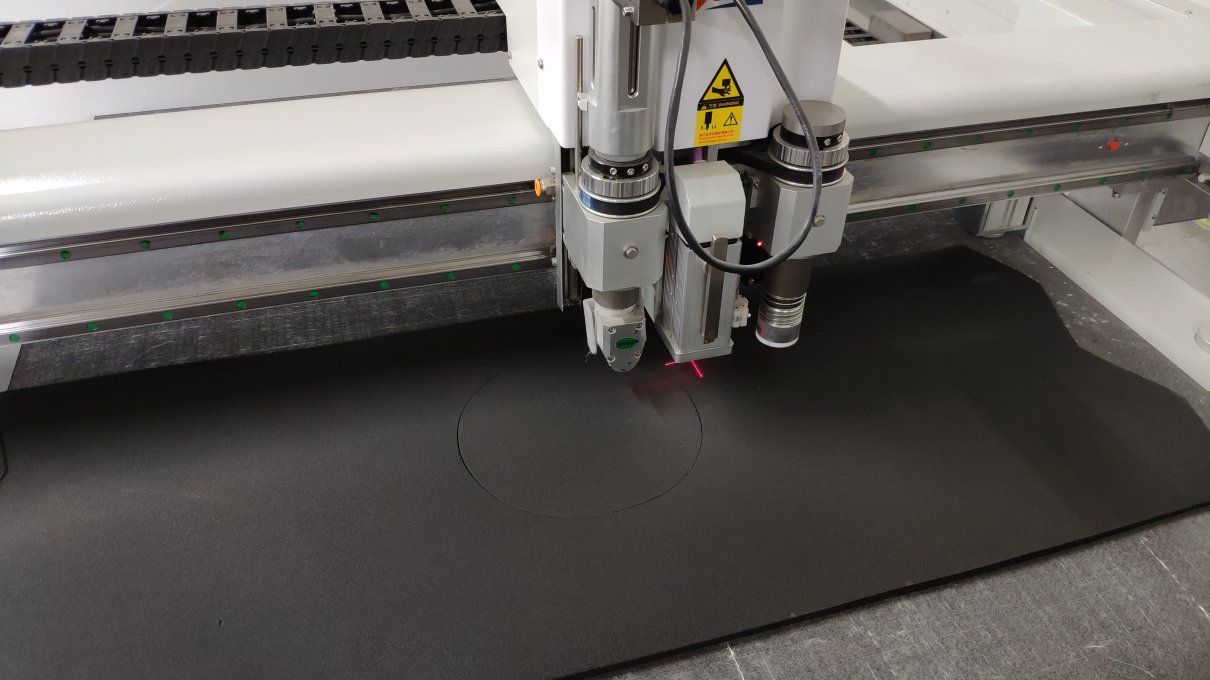
Safety is a top priority in any industrial environment, especially when working with cutting equipment designed to process insulation materials. Insulation cutting machines are used to shape materials such as fiberglass, foam boards, mineral wool, and rubber insulation for construction, HVAC systems, and manufacturing applications. While these machines improve efficiency and precision, improper operation can lead to accidents, equipment damage, and production delays. Following established safety practices helps protect workers and ensures smooth operations.
Understanding how to operate an insulation cutting machine safely is essential for both new and experienced operators. Proper training, equipment maintenance, and adherence to workplace safety guidelines significantly reduce risks. Employers and machine operators must work together to create a safe environment where machinery is used responsibly and efficiently.
Provide Proper Operator Training
One of the most important safety measures is ensuring that all operators receive proper training before using insulation cutting equipment. Workers should understand machine controls, emergency stop procedures, and correct material handling techniques.
Training should include both theoretical instruction and hands-on practice. Operators must learn how different insulation materials behave during cutting and how to adjust machine settings accordingly. This knowledge reduces the likelihood of mistakes that could lead to injury or machine malfunction.
Refresher training sessions are also valuable, especially when new equipment or updated safety procedures are introduced. Well-trained operators are more confident, efficient, and aware of potential hazards.
Wear Appropriate Personal Protective Equipment
Personal protective equipment (PPE) plays a critical role in protecting workers from hazards associated with insulation cutting. Depending on the material being processed, operators may be exposed to sharp tools, airborne particles, noise, or heat.
Common protective equipment includes safety gloves, protective eyewear, dust masks or respirators, and hearing protection. When working with fiberglass or mineral wool insulation, protective clothing can help prevent skin irritation.
Employers should ensure that PPE is readily available and that workers understand when and how to use it. Regular inspection of protective equipment ensures it remains effective and in good condition.
Keep Work Areas Clean and Organized
A clean workspace reduces the risk of accidents when operating industrial machinery. Insulation scraps, dust, and tools left near cutting equipment can interfere with machine operation or create tripping hazards.
Operators should clean the machine and surrounding area regularly, especially after completing cutting tasks. Proper disposal of insulation waste prevents buildup that could affect machine performance or air quality.
Good organization also improves efficiency. When tools and materials are stored properly, operators can focus on machine operation without unnecessary distractions or safety risks.
Inspect the Machine Before Operation
Routine inspections help identify potential problems before they become safety hazards. Operators should check cutting blades, hot wires, guards, and feeding systems before starting the machine.
Loose components, worn cutting tools, or damaged safety guards should be addressed immediately. Operating a machine with faulty components increases the risk of injury and reduces cutting accuracy.
Electrical systems should also be inspected to ensure wiring, switches, and control panels are functioning correctly. Preventive inspection is an essential part of safe machine operation.
Use Machine Guards and Safety Features
Modern insulation cutting machines are equipped with built-in safety features designed to protect operators. Machine guards, automatic shutoff systems, and emergency stop buttons should always be used as intended.
Removing or bypassing safety guards can expose workers to moving parts or cutting tools. Operators should never operate equipment unless all protective features are properly installed and functioning.
Emergency stop controls should remain accessible at all times. Workers must know how to shut down the machine quickly if a problem occurs.
Handle Insulation Materials Carefully
Insulation materials can vary in size, density, and flexibility. Improper handling may cause materials to shift during cutting, leading to inaccurate results or safety risks.
Operators should position materials securely before starting the machine. Automated feeding systems should be used when available, as they reduce direct contact with cutting components.
Heavy insulation boards should be lifted using proper techniques or mechanical assistance to prevent strain injuries. Safe material handling is an important part of machine operation.
Avoid Distractions During Operation
Operating industrial cutting equipment requires full attention. Distractions such as mobile devices, conversations, or multitasking can lead to mistakes or accidents.
Only trained operators should control the machine during operation. Visitors or untrained personnel should remain at a safe distance from the work area.
Maintaining focus ensures that operators can respond quickly to unusual sounds, vibrations, or material movement during cutting.
Follow Maintenance and Safety Guidelines
Regular maintenance contributes directly to machine safety. Lubricating moving parts, replacing worn blades, and checking alignment help ensure smooth operation.
Manufacturers typically provide safety guidelines and maintenance instructions for insulation cutting machines. Following these recommendations helps prevent equipment failure and improves reliability.
Reporting mechanical issues immediately allows maintenance teams to address problems before they become serious hazards.
Conclusion
Operating insulation cutting machines safely requires a combination of training, awareness, and proper equipment care. From wearing protective gear and maintaining a clean workspace to inspecting machinery and using safety features, each practice plays an important role in preventing accidents.
By prioritizing safety procedures and responsible machine operation, businesses can protect workers while maintaining efficient production. A strong safety culture not only reduces workplace risks but also supports long-term productivity and reliable performance in industrial insulation cutting operations.