
Understanding Laser Cutting: How It Works in Modern Fabrication
Precision, speed, and efficiency are no longer optional and are essential in today’s fast‑evolving manufacturing landscape. Whether projects involve architectural façades, industrial components, or bespoke metalwork, laser cutting Dubai has emerged as a core technology that drives modern fabrication forward. From its ability to work with a vast array of materials to the fine tolerances it achieves, laser cutting reshapes how professionals transform raw metal into precise, functional parts. In this blog, we explore how laser cutting works, why it’s so indispensable in fabrication shops, and how the aluminium cutting solution fits into the broader picture of advanced material processing.
What Is Laser Cutting? A Simple Overview
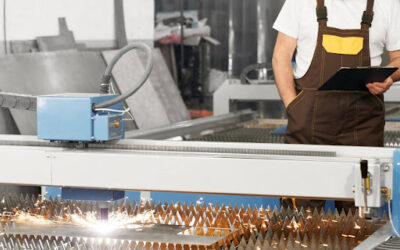
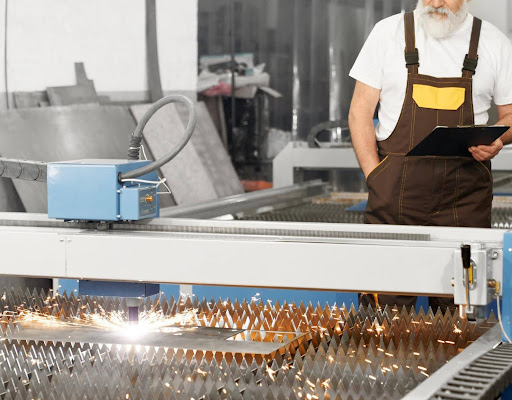
At its core, laser cutting is a technique that uses a concentrated beam of light from a laser to slice through materials with exceptional accuracy. Guided by computer numerical control (CNC) systems and digital design files, the laser emits energy that melts, vaporizes, or burns the target material along a predetermined path. This controlled thermal process enables cuts that are far cleaner and more precise than many traditional methods like sawing or mechanical cutting.
Unlike mechanical cutting tools that physically plunge into a surface, the laser beam makes contact through concentrated light and heat alone. This non‑contact process results in minimal distortion, almost no physical stress on the workpiece, and edges that often require no further finishing. The process is ideal for projects where part quality, detail, and repeatability are critical.
The Core Components of a Laser Cutting System
A typical laser cutting machine consists of several key components:
- Laser Source: This generates the beam of light; modern systems use CO₂ or fiber lasers.
- Optics and Mirrors: These direct and focus the laser beam onto the material.
- CNC Control System: The digital brain of the system that follows CAD/CAM designs to control the laser’s path.
- Worktable: A surface where material sheets or profiles are held in position while cutting occurs.
The synergy between high‑powered light, precise optics, and digital control is what enables laser cutting providers to execute complex shapes and detailed patterns quickly and accurately.
Why Laser Cutting Is Ideal for Modern Fabrication
Laser cutting has become the technology of choice in modern fabrication for several compelling reasons:
1. Precision and Accuracy
One of the standout benefits of laser cutting is its unmatched precision. Because the laser follows digital designs exactly, it can create features and contours with tight tolerances far beyond what many manual or mechanical tools can achieve. This is essential for industries like aerospace, automotive, and architectural fabrication, where even a slight deviation can cause major problems.
2. Versatility Across Materials
Laser cutting machines are remarkably versatile. They easily handle traditional metals such as steel and stainless steel, as well as a range of non‑ferrous metals like aluminium and brass. This makes aluminium cutting solution and other specialty material processing accessible under one technology platform. The ability to manage diverse materials reduces the need for multiple machines and streamlines fabrication workflows.
3. Speed and Efficiency
Time is a critical factor in any project. Laser cutting accelerates production because it eliminates many steps required by conventional cutting, such as tool changes or secondary finishing. Faster processing also means quicker turnaround for prototypes and full production runs alike, which is especially important for high‑volume or deadline‑driven fabrication work.
4. Minimal Material Waste
Traditional cutting methods typically generate larger kerfs (cut widths), which means more material is lost during production. Laser cutting produces extremely narrow kerfs, enabling parts to be nested tightly on a sheet. The result is reduced scrap waste, better raw material utilization, and a more sustainable production process.
5. Clean, Ready‑to‑Use Edges
Many traditional methods leave edges that are rough or require grinding and polishing. Laser cutting, by contrast, delivers smooth, burr‑free edges with minimal need for secondary processing. This saves both time and labour costs, enabling parts to move more quickly from the cutting stage into assembly or further fabrication.
How Aluminium Cutting Service Benefits from Laser Technology
Aluminium is a popular material in many industries due to its strength, low weight, and corrosion resistance. However, aluminium’s reflective properties and high thermal conductivity have traditionally made it challenging to cut with conventional techniques. With laser technology, these challenges are mitigated.
Modern laser systems, especially those used for aluminium cutting service, harness focused energy beams that reduce the heat‑affected zone and ensure accurate cuts without warping or edge distortion. Because aluminium conducts heat quickly, systems optimised for aluminium keep edges clean and dimensions precise, which is crucial for components used in architectural panels, automotive parts, and industrial assemblies.
Laser cutting also enables intricate designs and complex geometries in aluminium sheets, giving fabricators and designers creative freedom without sacrificing quality. The combination of speed, precision, and adaptability makes laser‑assisted aluminium cutting a competitive and cost‑effective choice for bespoke and mass production alike.
Applications Across Industries
Laser cutting has moved far beyond prototype shops and small fabrication jobs. It now serves major sectors, including:
- Architecture and Construction: For façade panels, decorative elements, and structural components.
- Automotive and Transportation: Precision parts for vehicles where tolerances are critical.
- Industrial Manufacturing: Machine parts, frames, and precision assemblies.
- Signage and Interior Design: Detailed metal graphics and décor pieces.
- Aerospace: Components requiring extremely tight dimensional control.
The ability to handle diverse materials and thicknesses makes laser cutting services integral to modern fabrication across these sectors.
Conclusion
Laser cutting has transformed the world of fabrication by offering unmatched precision, versatility, and speed. Whether you need architectural components, industrial parts, or detailed aluminium panels, laser technology provides a superior solution that outperforms traditional cutting methods. The integration of laser cutting Dubai into fabrication workflows allows businesses across industries to meet modern demands without compromise. And with a specialised aluminium cutting solution, fabricators can deliver clean, reliable, and ready‑to‑use components every time.
If you are seeking a trusted partner that combines advanced laser technology with expert fabrication skills, Morshedi provides professional laser cutting and aluminium cutting solutions tailored to your project requirements. With state-of-the-art equipment, experienced engineers, and full support from start to finish, Morshedi guarantees precision, exceptional quality, and timely delivery, making them the go-to choice for reliable and efficient laser cutting in Dubai and metal fabrication solutions.