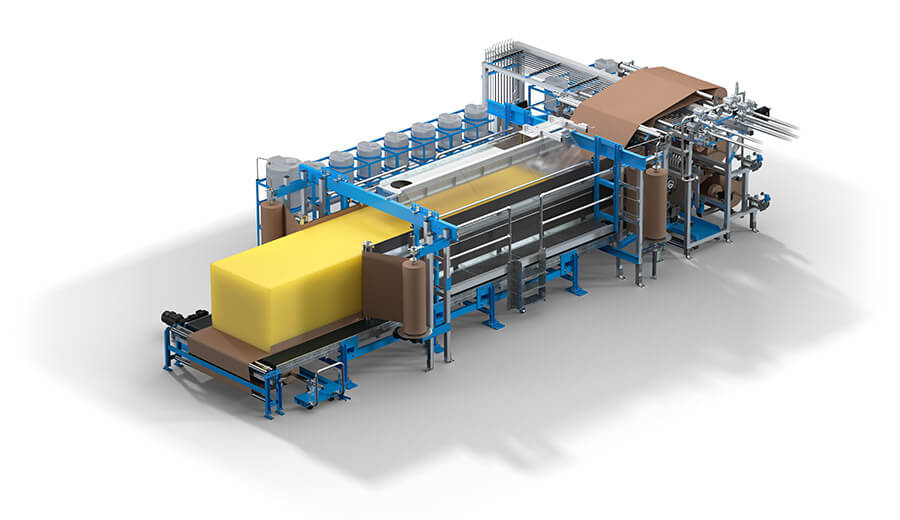
Energy efficiency is a critical consideration in modern industrial operations, particularly in the production of polyurethane (PU) foam. PU foam machinery consumes significant amounts of energy due to heating systems, high-pressure pumps, and continuous mixing processes. Incorporating energy-efficient features into machinery not only reduces operational costs but also supports environmental sustainability. Manufacturers are increasingly designing PU foam machinery that optimizes energy consumption while maintaining high-quality foam production.
Leading suppliers of PU Foam Machinery focus on integrating advanced energy-saving technologies into their equipment. These innovations include precision control systems, optimized heating and pumping mechanisms, and automated monitoring tools. By leveraging these features, businesses can lower electricity and fuel consumption, improve process efficiency, and achieve consistent foam quality across different industrial applications.
Optimized Heating Systems
Heating is one of the largest energy-consuming processes in PU foam production. Modern machinery incorporates optimized heating systems to maintain the precise temperature required for chemical reactions without excessive energy use. Insulated tanks, pipelines, and mixing chambers minimize heat loss, reducing the need for constant energy input.
Some machines also use energy-efficient heaters combined with intelligent temperature control systems. These systems monitor raw material temperature in real time and adjust heating levels automatically. By avoiding overheating and maintaining uniform temperature, manufacturers can conserve energy while ensuring that the foam mixture achieves optimal viscosity and reaction characteristics.
High-Efficiency Pumping Systems
Pumps are central to the operation of PU foam machinery, responsible for delivering polyols, isocyanates, and additives at precise ratios and pressures. High-efficiency pumps with variable frequency drives (VFDs) adjust motor speed based on demand, preventing unnecessary energy consumption during low-flow periods.
Dynamic metering and low-friction pump designs further reduce energy usage while maintaining precise chemical ratios. Multi-component high-pressure pumps optimized for energy efficiency are particularly valuable in industrial operations where large volumes of foam are produced continuously, balancing high performance with lower energy costs.
Automated Control and Monitoring Systems
Automation plays a critical role in energy efficiency for PU foam machinery. Modern machines are equipped with PLCs (Programmable Logic Controllers), sensors, and monitoring systems that control chemical flow, pressure, and temperature. Automated control reduces human error and ensures that the machinery operates within optimal energy ranges.
Real-time monitoring allows operators to detect deviations from set parameters immediately. If an anomaly occurs, the system can adjust operations or trigger alarms, preventing wasted energy and potential production issues. Predictive maintenance capabilities in these systems also help identify worn components that could reduce efficiency, allowing proactive interventions that maintain energy performance.
Insulation and Heat Recovery Features
Heat loss in pipes, tanks, and mixing chambers can significantly increase energy consumption. PU foam machinery often incorporates high-quality insulation to minimize thermal loss, maintaining stable temperatures with less energy. In addition, some advanced systems integrate heat recovery mechanisms, capturing excess heat from the process and reusing it for preheating raw materials or other operations.
By reclaiming and recycling energy that would otherwise be wasted, these features reduce overall energy consumption and improve the environmental footprint of foam production. Heat recovery not only saves energy but also contributes to faster production cycles by maintaining consistent material temperatures.
Low-Waste and Precise Chemical Dispensing
Precise chemical metering and dispensing systems contribute indirectly to energy efficiency. Machines that accurately control the amount of polyol, isocyanate, and additives reduce overuse and prevent reprocessing due to improper chemical ratios. Less rework means lower energy consumption, fewer chemical losses, and a more streamlined production process.
Batch-type or continuous mixing systems with high-precision metering ensure that chemical ratios are consistent, producing uniform foam density and quality without excess energy expenditure for corrections. This precise operation is particularly important for high-volume industrial production where minor inefficiencies can lead to substantial energy costs over time.
Energy-Efficient Motor and Component Designs
Modern PU foam machinery also incorporates energy-efficient motors, drive systems, and mechanical components. High-efficiency motors reduce electrical consumption while providing the necessary torque for pumps, mixers, and conveyor systems. Low-friction bearings and optimized gear assemblies reduce mechanical resistance, lowering energy usage across all moving parts of the machinery.
Variable speed drives, automated shutdown mechanisms for idle periods, and energy-saving standby modes contribute further to reducing overall operational energy costs. These features are especially valuable in large-scale industrial production where machinery may operate for extended hours daily.
Environmental and Cost Benefits
Integrating energy-efficient features in PU foam machinery not only reduces electricity and fuel costs but also contributes to environmental sustainability. Lower energy consumption results in reduced greenhouse gas emissions and supports corporate sustainability goals. Efficient machinery allows manufacturers to meet regulatory standards while maintaining high-quality production, balancing operational efficiency with environmental responsibility.
Conclusion
Energy efficiency in PU foam machinery is achieved through optimized heating systems, high-efficiency pumps, automated controls, insulation, heat recovery, precise chemical dispensing, and energy-efficient component designs. These features reduce operational costs, improve process reliability, and minimize environmental impact, making energy-efficient machinery essential for modern industrial operations.
By investing in PU foam machinery with built-in energy-saving technologies, manufacturers can achieve consistent foam quality, lower production expenses, and contribute to sustainable manufacturing practices. As global demand for PU foam grows, energy efficiency will continue to be a key factor in machine design and industrial competitiveness.