

How Professional Neutering Care Helps Prevent Future Health Issues
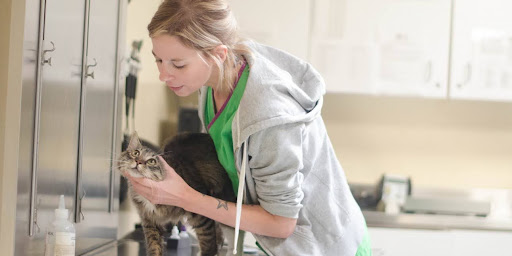
Responsible pet ownership involves more than providing food, shelter, and affection. Preventive veterinary care plays a critical role in protecting long-term feline health and reducing the risk of serious medical conditions. Among the most impactful preventive procedures is neutering, which supports both behavioral balance and physical wellbeing in cats of all ages.
Today, many pet owners actively seek affordable neutering for cats because they understand the long-term benefits it delivers. From lowering disease risks to helping control pet overpopulation, professional neutering is a proactive step that safeguards your cat’s future while contributing to healthier pet communities overall.
Affordable Neutering for Cats— A Smart Preventive Investment
Choosing the right time and provider for neutering is essential for maximizing health benefits. While some owners hesitate due to cost concerns, modern veterinary services have made the procedure more accessible without compromising safety or quality. Professional neutering is a one-time investment that delivers lifelong advantages, making affordable neutering for cats an increasingly popular and practical choice for responsible pet owners.
-
Reduces Risk of Reproductive Cancers
Neutering significantly lowers the likelihood of testicular cancer in males and reduces hormone-driven conditions that can affect overall health. By removing the primary source of reproductive hormones, veterinarians help prevent diseases that may otherwise require complex and expensive treatments later in life. Early neutering is especially effective in minimizing long-term cancer risks and improving lifespan outcomes.
-
Helps Prevent Behavioral Problems
Hormone-driven behaviors such as spraying, aggression, and roaming are common in unneutered cats. These behaviors not only create stress at home but also expose cats to outdoor dangers. Neutering stabilizes hormone levels, which often results in calmer, more manageable pets. This makes daily care easier while strengthening the bond between cats and their owners.
-
Supports Population Control Efforts
Unplanned litters contribute significantly to stray and shelter populations. Professional neutering helps reduce overpopulation by preventing unwanted breeding. This responsible step protects community animal welfare and reduces the number of cats facing abandonment or homelessness. Many veterinarians emphasize neutering as a key component of ethical pet ownership and community care.
-
Improves Overall Life Expectancy
Studies consistently show that neutered cats tend to live longer than their unneutered counterparts. Reduced roaming lowers the risk of accidents, fights, and infectious diseases. Additionally, the prevention of reproductive health issues contributes to fewer medical complications over time. When performed by qualified professionals, neutering becomes a powerful tool for extending feline lifespan.
-
Cost-Effective Long-Term Care
While some owners focus on the upfront expense, neutering often saves significant veterinary costs over a cat’s lifetime. Preventing illnesses, injuries, and behavioral damage reduces emergency visits and treatments. Many clinics now offer affordable packages, making preventive care accessible without sacrificing professional standards or surgical safety.
Long-Term Health Benefits Every Cat Owner Should Know
Understanding the broader medical advantages of neutering helps pet owners make confident, informed decisions. Beyond reproduction control, the procedure supports multiple aspects of feline wellness and household harmony.
-
Lower Risk of Hormonal Disorders
Hormonal imbalances can trigger a range of health complications in intact cats. Neutering stabilizes endocrine activity, reducing the likelihood of hormone-related illnesses. This creates a more balanced internal system that supports healthy metabolism, immune function, and long-term vitality in both male and female cats.
-
Reduced Roaming and Injury Risk
Unneutered cats are far more likely to roam in search of mates, exposing them to traffic accidents, territorial fights, and environmental hazards. Neutering decreases the urge to wander, helping keep cats safely indoors or within controlled outdoor environments. This significantly lowers the chance of trauma-related veterinary emergencies.
-
Decreased Spread of Infectious Diseases
Fights between intact cats often lead to bite wounds that transmit serious infections such as feline immunodeficiency virus (FIV) and feline leukemia virus (FeLV). By reducing aggressive and territorial behavior, neutering indirectly lowers exposure to these life-threatening diseases, helping maintain better overall population health among domestic cats.
-
Better Household Harmony
Cats that are not neutered may display loud vocalization, marking, and dominance behaviors that disrupt home environments. After the procedure, most pets become more settled and predictable. This creates a more peaceful living space for both pets and owners, especially in multi-pet households where behavioral balance is essential.
-
Supports Responsible Pet Ownership
Choosing professional neutering demonstrates a commitment to preventive care and animal welfare. It reflects thoughtful planning for a pet’s long-term health rather than reactive treatment after problems arise. Veterinarians widely recommend neutering as one of the most responsible decisions cat owners can make early in their pet’s life.
What to Expect Before and After the Procedure
Being prepared for the neutering process helps reduce anxiety for both owners and pets. Modern veterinary protocols prioritize safety, comfort, and quick recovery.
-
Pre-Surgical Health Assessment
Before surgery, veterinarians perform a thorough physical examination and may recommend blood tests. This ensures the cat is healthy enough for anesthesia and helps identify any underlying conditions. Proper screening significantly reduces surgical risks and allows the veterinary team to tailor care to each individual pet.
-
Safe and Controlled Anesthesia
Professional clinics use carefully monitored anesthesia protocols designed specifically for feline patients. Advanced monitoring equipment tracks heart rate, oxygen levels, and vital signs throughout the procedure. This level of medical oversight ensures maximum safety and minimizes complications during surgery.
-
Quick Recovery Timeline
Most cats recover rapidly after neutering, often returning to normal behavior within a few days. Veterinarians typically recommend limited activity and provide clear aftercare instructions. Following these guidelines helps prevent complications and supports smooth healing during the post-operative period.
-
Pain Management and Comfort Care
Modern neutering procedures include effective pain management plans. Cats receive appropriate medications to ensure comfort during recovery. Owners are also guided on monitoring incision sites and recognizing any unusual symptoms, ensuring pets remain comfortable throughout the healing process.
-
Follow-Up Veterinary Support
Reputable clinics provide post-surgery checkups to confirm proper healing. These follow-ups allow veterinarians to address concerns early and ensure the cat’s recovery stays on track. Ongoing communication between owners and veterinary teams plays a key role in achieving the best long-term outcomes.
Final Thoughts
Finding a qualified neutering vet in Dubai is essential to ensure your cat receives safe, effective, and compassionate care. Professional expertise, modern surgical protocols, and attentive aftercare all contribute to a smooth experience and strong long-term health benefits.
For pet owners seeking reliable and affordable neutering services, Pet Point Veterinary Clinic offers comprehensive feline care delivered by experienced veterinary professionals. With a strong focus on safety, transparency, and animal wellbeing, the clinic supports responsible pet ownership at every stage.