

Louvre Roof System Maintenance Tips for Longevity
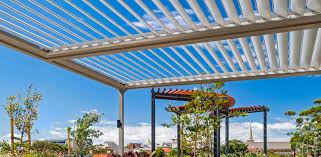
A well-installed louvre roof system adds flexibility and comfort to outdoor spaces. It allows homeowners to control light, airflow, and shade year-round. However, long-term performance depends on regular care. Without routine maintenance, moving parts may wear out and drainage systems may clog. A clear maintenance plan helps protect the structure and keeps it operating smoothly in Australian conditions.
Why Does Regular Maintenance Matter?
Routine maintenance helps extend the life of a louvre roof system and protects your investment. These adjustable outdoor structures are built to withstand changing weather conditions, but ongoing care ensures they continue to perform as intended. Outdoor areas are exposed to sun, heavy rain, wind and airborne debris. Over time, these factors can affect moving components and surface finishes.
A consistent care routine helps to:
- Prevent corrosion and surface damage
- Maintain smooth blade movement
- Reduce long-term repair costs
- Preserve appearance and functionality
Homeowners who also use insulated roofing panels in Melbourne should follow similar care routines, as weather exposure affects both systems similarly.
Essential Maintenance Steps for Long-Term Performance
Here are some of the essential maintenance steps to consider for ongoing performance. The sections below outline practical measures that help protect the structure and support reliable operation over time.
-
Routine Cleaning and Surface Care
Regular cleaning forms the foundation of good maintenance. Dust, leaves, bird droppings, and pollen often collect between louvre blades and along drainage channels.
To clean effectively:
- Use a soft brush or cloth to remove loose debris
- Rinse with low-pressure water
- Avoid harsh chemicals that may damage protective coatings
Clean the system every three to six months, depending on the location. Coastal homes may require more frequent cleaning due to salt exposure. Owners who install Insulated roofing panels also benefit from routine surface cleaning, as this prevents dirt build-up that may affect drainage performance.
-
Checking Components and Structural Fixings
A roof system relies on pivot points, brackets, and fasteners to operate correctly. Regular inspection helps identify early signs of wear before they become serious problems.
Check for:
- Loose screws or bolts
- Blade misalignment
- Signs of rust or surface damage
- Blocked drainage outlets
If you notice unusual noise when opening or closing the roof, inspect the moving joints. Addressing small issues early reduces the risk of structural damage.
-
Check Drainage and Weather Seals
Proper drainage prevents water pooling and structural stress. Inspect gutters and internal channels regularly, particularly before the start of the rainy season. Clear blockages promptly to avoid overflow. Examine seals and joints for cracking or separation. Replace damaged seals to maintain weather protection and energy efficiency. A well-maintained roof system efficiently manages rainwater, reducing strain on surrounding structures and improving long-term durability.
-
Seasonal Maintenance and Weather Preparation
Seasonal inspections help manage weather-related wear. In autumn, remove fallen leaves. Before summer, check for sun-related surface fading. After storms, inspect the frame for movement or impact damage. Owners who combine a louvre roof system with insulated roofing panels in Melbourne should review both structures together, as integrated systems perform best when maintained consistently.
Conclusion
Consistent care keeps a louvre roof system operating efficiently for years. Cleaning, lubrication, and regular inspections reduce unnecessary wear and prevent avoidable repairs. Homeowners who follow a simple maintenance routine protect both functionality and appearance. When combined with insulated roofing panels, proper upkeep ensures reliable performance across changing Australian weather conditions.