
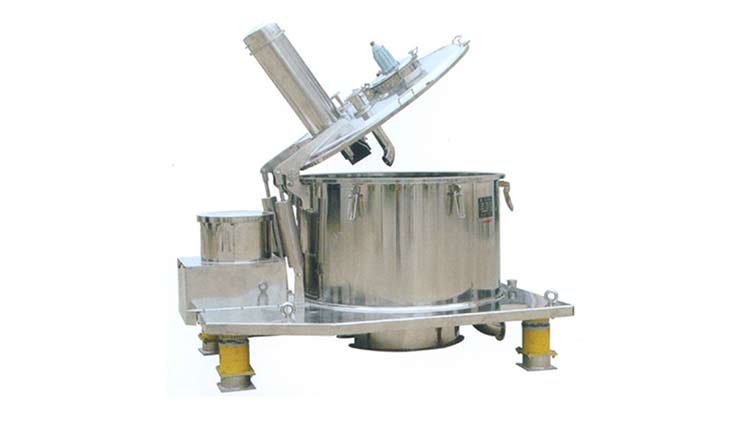
Industrial processes often involve the separation of solids from liquids, clarification of liquids, or purification of chemical compounds. Achieving efficient separation is crucial for maintaining product quality, reducing waste, and optimizing operational efficiency. One of the most effective solutions for these tasks is the industrial centrifuge machine, which leverages centrifugal force to accelerate separation and deliver consistent, high-quality results. These machines are widely used across multiple industries, from food and beverage to pharmaceuticals and chemical processing.
Food and Beverage Industry Applications
In the food and beverage sector, separation technology is essential for producing high-quality products. Industrial centrifuge machines are commonly used to clarify liquids, remove sediments, and separate components based on density. For example, in the production of fruit juices, centrifuges remove pulp, seeds, and other particulate matter to create clear, visually appealing products. In dairy processing, these machines separate cream from milk, clarify whey, and remove fine impurities, ensuring smooth and consistent products.
Similarly, in edible oil production, centrifuges are used to remove water, solid residues, and micro-particles from crude oils, producing high-purity oils suitable for consumption or further refinement. A Industrial Centrifuge Machine helps maintain continuous operation in high-volume food production, enhancing efficiency while maintaining strict hygiene and quality standards. The precise separation capability of centrifuges ensures that products not only meet regulatory requirements but also satisfy consumer expectations for taste, clarity, and texture.
Pharmaceutical Industry Applications
Pharmaceutical manufacturing demands extremely high levels of precision and purity. Industrial centrifuge machines are essential in this sector for separating active pharmaceutical ingredients (APIs) from reaction mixtures, purifying solvents, and clarifying biological fluids. The ability to handle fine particles and delicate substances without compromising chemical integrity makes centrifuges ideal for these applications.
Centrifuges in pharmaceutical processes also support solvent recovery and reduce the volume of hazardous waste, lowering operational costs and environmental impact. Their high-speed operation and continuous processing capabilities ensure consistent output quality, which is crucial for meeting stringent regulatory standards and ensuring patient safety.
Chemical and Petrochemical Industry Applications
In the chemical and petrochemical industries, industrial centrifuge machines play a vital role in separating chemical mixtures, recovering valuable solvents, and purifying reaction products. These processes often involve complex emulsions or suspensions with varying densities, making efficient separation critical for product quality and process efficiency.
Centrifuges can handle high-viscosity fluids, abrasive suspensions, and corrosive chemicals when constructed with the appropriate materials, such as corrosion-resistant alloys and wear-resistant coatings. By reducing manual labor, minimizing downtime, and maximizing product recovery, centrifuges contribute to more efficient and cost-effective chemical production.
Oil and Gas Industry Applications
In the oil and gas sector, industrial centrifuge machines are widely used for separating crude oil, removing water and sediments, and recovering valuable hydrocarbons. These centrifuges improve the clarity and quality of the extracted oil, enhance downstream processing efficiency, and reduce waste disposal costs.
Centrifuges are also employed in drilling operations to separate drilling muds, cuttings, and other solid residues from liquids. Efficient separation ensures that drilling fluids can be reused, reducing material costs and environmental impact. High-speed centrifuges are particularly beneficial in offshore and onshore operations where continuous, reliable performance is essential for maintaining production schedules.
Wastewater Treatment Applications
Wastewater treatment plants rely on industrial centrifuge machines to separate solids from liquids, reduce sludge volume, and clarify effluents before discharge or further processing. Centrifuges accelerate sedimentation, allowing treatment facilities to handle large volumes of wastewater efficiently.
By effectively dewatering sludge, centrifuges reduce disposal costs and minimize environmental impact. They are also used in industrial effluent treatment, including food processing, pharmaceuticals, and chemical plants, where strict regulatory compliance and high water quality standards are required.
Biotechnological and Fermentation Applications
In biotechnology and fermentation processes, industrial centrifuge machines are used to separate microbial cells, yeast, or other biomass from culture media. This separation is critical for producing antibiotics, enzymes, vaccines, and other bioproducts. Centrifuges ensure that the final product is free from unwanted cellular debris, enabling downstream processing and purification steps.
Continuous operation and gentle handling of sensitive biological materials are essential in these applications. Industrial centrifuges allow high-throughput separation without compromising the viability or quality of the biomaterials, making them indispensable for large-scale biotechnological production.
Conclusion
The industrial centrifuge machine is a versatile and indispensable tool across a wide range of industries. From food and beverage to pharmaceuticals, chemicals, oil and gas, wastewater treatment, and biotechnology, these machines provide efficient, high-speed separation that enhances product quality, maximizes yield, and reduces operational costs. Their ability to handle diverse feed materials, operate continuously, and maintain precise separation under varying conditions makes them a valuable investment for modern industrial operations. By incorporating industrial centrifuges into their processes, companies can achieve consistent, high-quality outputs while optimizing efficiency and sustainability.