
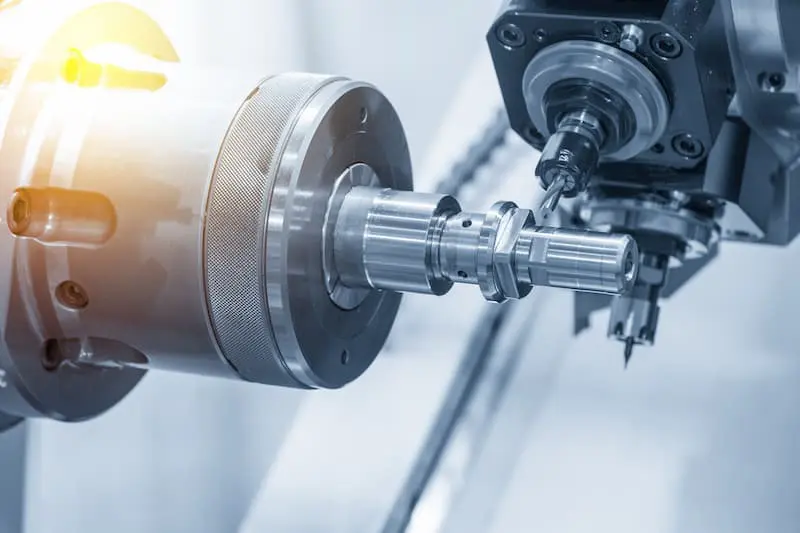
Selecting the right CNC machine for a workshop is a critical decision that directly impacts production efficiency, product quality, and operational costs. Among the various CNC systems available, the 2 axis CNC machine is one of the most widely used for turning operations on cylindrical components. Its simplicity, precision, and versatility make it an ideal choice for workshops ranging from small fabrication units to large-scale manufacturing facilities. Understanding the factors involved in choosing the right 2 axis CNC machine ensures that your investment aligns with your production needs and business goals.
A 2 axis CNC machine operates along two primary axes: the X-axis, controlling the lateral movement of the cutting tool, and the Z-axis, controlling longitudinal movement along the workpiece. This dual-axis system allows precise turning operations, including threading, grooving, facing, and contouring of cylindrical parts. Many manufacturers depend on reliable systems such as the 2 Axis CNC Machine because of their ability to automate repetitive tasks while maintaining consistent tolerances. Choosing the right machine involves assessing factors such as production requirements, material types, precision needs, and available space in your workshop.
Assessing Production Requirements
The first step in selecting a 2 axis CNC machine is to evaluate your production requirements. Consider the volume of components you plan to manufacture, the complexity of parts, and the level of precision needed. For high-volume production, a machine with faster spindle speeds, automated tool changers, and robust components will increase throughput and efficiency. For smaller workshops or low-volume production, a compact, cost-effective machine may be more suitable, providing flexibility without unnecessary complexity.
Additionally, understanding the types of operations your workshop will perform is essential. A 2 axis CNC machine excels in turning operations, but it may need additional attachments or accessories if you plan to perform drilling, tapping, or milling. Matching the machine’s capabilities to your operational requirements ensures that your investment delivers maximum value.
Material Handling Capabilities
Different workshops work with a wide range of materials, including metals, plastics, and composites. When choosing a 2 axis CNC machine, it is important to consider its material handling capabilities. Machines with higher spindle power, rigidity, and precision guideways can handle harder materials such as stainless steel, titanium, or high-strength alloys. For softer materials, machines with moderate power and standard tool setups may suffice.
Furthermore, consider the size of the workpieces you intend to machine. Ensure that the machine’s swing over bed, maximum turning diameter, and maximum turning length accommodate your largest components. Proper material handling ensures that the machine operates efficiently and safely while maintaining the desired precision.
Precision and Accuracy Requirements
Precision and accuracy are key considerations when selecting a 2 axis CNC machine. Workshops producing parts for industries such as automotive, aerospace, or medical devices require machines capable of maintaining tight tolerances and consistent surface finishes. Look for features such as high-precision ball screws, linear guideways, and low-vibration spindles that reduce mechanical backlash and improve repeatability.
Additionally, modern CNC controllers offer advanced features such as tool offset compensation, adaptive feed rate adjustments, and simulation capabilities. These features enhance machining accuracy and make programming easier for operators. Investing in a machine with reliable precision ensures consistent quality and minimizes rework or scrap costs.
Ease of Use and Training
Ease of use is another important factor, especially for workshops with limited technical staff. Modern 2 axis CNC machines often feature intuitive controllers, touch-screen interfaces, and preloaded programs that simplify operation. Some machines also include virtual machining or simulation software, allowing operators to visualize tool paths before production, reducing errors and setup time.
Training requirements should also be considered. Machines with user-friendly interfaces and well-documented manuals reduce the learning curve for new operators, ensuring that production can start quickly and safely. Workshops with multiple operators benefit from standardized programming procedures and straightforward control systems.
Budget and Total Cost of Ownership
While initial purchase cost is an important factor, it is equally essential to consider the total cost of ownership when selecting a 2 axis CNC machine. This includes maintenance, power consumption, tool costs, and potential downtime. Investing in a durable, high-quality machine may have a higher upfront cost but will provide better long-term value through reliability, lower maintenance expenses, and reduced operational interruptions.
Small workshops may prioritize machines with lower initial costs and moderate capabilities, while larger operations may require more robust machines with advanced features and automation options to maximize productivity.
Space and Workshop Layout
The physical footprint of the machine is another practical consideration. Ensure that the workshop has adequate space for the machine, material handling, operator movement, and safety zones. Accessibility for maintenance, tool changes, and part removal is also important. Proper placement improves workflow efficiency and reduces the risk of accidents or operational disruptions.
Conclusion
Choosing the right 2 axis CNC machine for your workshop involves evaluating production requirements, material handling capabilities, precision needs, ease of use, budget considerations, and workspace layout. By carefully assessing these factors, workshop owners can select a machine that enhances productivity, ensures consistent quality, and provides long-term reliability. Investing in the right 2 axis CNC machine allows both small and large workshops to optimize operations, reduce errors, and maintain a competitive edge in today’s manufacturing environment.