
Polyvinyl alcohol (PVA) film has become an indispensable material in industries such as packaging, pharmaceuticals, agriculture, and household products. Its water-soluble and biodegradable properties make it an environmentally friendly alternative to traditional plastic films. However, selecting the right PVA film for a specific application requires careful consideration of several key features. Understanding these characteristics ensures that the film meets functional requirements, maintains product integrity, and aligns with sustainability goals.
Leading suppliers of PVA Film provide a range of products tailored to different applications, offering options that vary in thickness, solubility rates, tensile strength, and other properties. For instance, PVA Film demonstrates how customized solutions can optimize performance across diverse industrial and consumer uses. By evaluating key features, businesses can choose the most suitable film that balances functionality, convenience, and environmental responsibility.
Solubility Rate
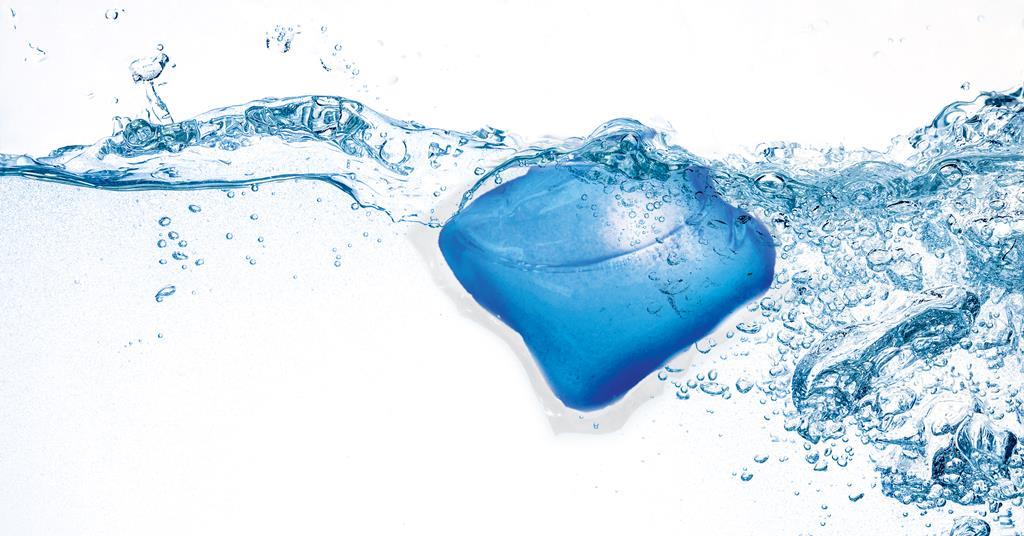
One of the most critical features to consider is the solubility rate of PVA film. This characteristic determines how quickly the film dissolves when exposed to water, which directly affects its performance in applications like single-dose detergent pods, pharmaceuticals, or agricultural chemicals. A film with a rapid dissolution rate is ideal for consumer products that require immediate activation, while slower-dissolving films may be better suited for controlled-release applications in agriculture or industrial processes. Manufacturers typically provide data on dissolution rates to help clients select the appropriate film for their specific needs.
Thickness and Mechanical Strength
The thickness of PVA film plays a significant role in its durability and performance. Thicker films generally offer higher tensile strength, making them more resistant to tearing during handling, packaging, or transportation. However, overly thick films may slow dissolution or increase material costs. Therefore, selecting a film with the right balance of thickness and strength is crucial to ensure that it withstands operational requirements while maintaining the desired solubility characteristics.
Mechanical strength, including tensile and burst strength, is another vital consideration. PVA films must withstand handling, packaging, and storage without breaking prematurely. Industrial applications, in particular, require films that maintain structural integrity under stress while still dissolving appropriately during use. Assessing these properties ensures that the film performs consistently across all stages of its application.
Transparency and Clarity
Transparency is an important feature in applications where visual inspection of the contents is necessary. Clear PVA films allow users to see the product inside, which is particularly relevant for packaging single-dose detergents, food ingredients, or pharmaceuticals. Films with high clarity enhance consumer confidence by showing the condition of the product, while opaque or colored films may be used for branding purposes or to protect sensitive contents from light exposure.
Compatibility with Contents
PVA film must be compatible with the product it is intended to encapsulate. This includes chemical compatibility, moisture resistance, and temperature tolerance. For example, films used with powdered detergents, pharmaceuticals, or food additives should not react with the contents or compromise their stability. Similarly, films must maintain their integrity under varying storage conditions, including temperature fluctuations and humidity levels. Choosing a film that aligns with the physical and chemical properties of the product is critical to ensure safety and performance.
Environmental and Regulatory Compliance
Sustainability and compliance are increasingly important factors when selecting PVA film. Biodegradability, water solubility, and low environmental impact are key considerations for industries aiming to reduce plastic waste and meet regulatory requirements. Additionally, films used in food, pharmaceuticals, or agriculture must comply with safety standards such as FDA approval, REACH regulations, and ISO quality certifications. Selecting a film that meets both environmental and regulatory standards ensures that businesses can adopt sustainable solutions without risking non-compliance.
Customization Options
Modern PVA film suppliers offer extensive customization options, allowing businesses to tailor films to their specific needs. Customization may include thickness, dissolution rate, mechanical strength, color, and functional additives like UV stabilizers, fragrances, or antimicrobial agents. These options enable manufacturers to optimize film performance for particular applications, whether it is for controlled-release agricultural products, pre-measured pharmaceutical doses, or household detergent pods.
Cost Considerations
Finally, cost is an essential factor when choosing PVA film. While PVA film may be more expensive than conventional plastics, its environmental benefits, convenience, and regulatory compliance can offset the initial investment. Businesses should evaluate the total cost of ownership, including waste reduction, operational efficiency, and sustainability benefits, rather than focusing solely on the purchase price.
In conclusion, selecting the right PVA film requires a careful assessment of solubility rate, thickness, mechanical strength, transparency, compatibility, regulatory compliance, customization options, and cost. By understanding these key features, businesses can choose films that optimize performance, ensure product safety, and support environmental sustainability. Proper selection and usage of PVA film not only enhance operational efficiency but also align with growing global demands for eco-friendly and responsible packaging solutions.