
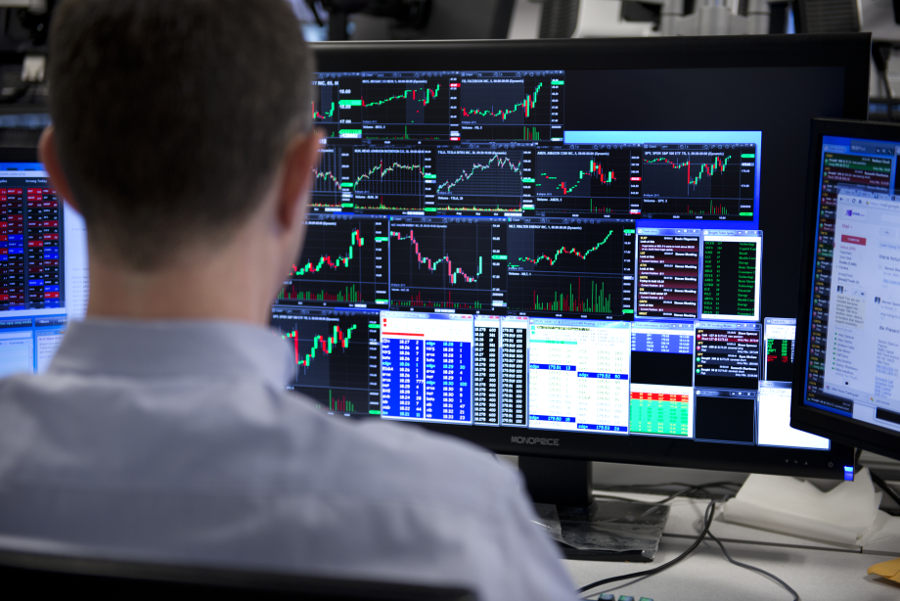
It’s not always the numbers that make people pause. It’s the feeling. You open a trade, watch price move, and suddenly everything feels more real than expected. There’s a shift from observing to participating, and that shift can be uncomfortable at the beginning. In Contract for Differences, the sense of risk often comes from that early emotional reaction rather than the structure itself.
The First Realisation That Outcomes Are Immediate
One of the earliest experiences is how quickly things respond.
You place a trade, and almost instantly, you see changes. Even small price movements show up in your position. That immediacy can feel intense because you’re not used to seeing outcomes in real time.
At first, it creates pressure.
But over time, you realise that not every small movement matters. That awareness reduces the initial sense of risk and replaces it with understanding.
When Leverage Feels Larger Than Expected
Leverage is often explained early on, but understanding it and feeling it are two different things.
In the beginning, even small price changes can seem significant because they are amplified. This makes every decision feel heavier, especially if you’re not yet comfortable with how positions behave.
In Contract for Differences, this is one of the biggest reasons it feels risky at first.
Later, as you become familiar with how leverage works, it stops feeling unpredictable and starts feeling manageable.
The Emotional Weight of Watching Every Move
There’s also a psychological layer that builds early on.
You tend to watch every tick, every movement, and every fluctuation. This creates a sense that everything is important, even when it’s not.
That level of attention can make the experience feel more intense than it needs to be.
With time, your focus changes. You begin to filter what matters and what doesn’t, which reduces that constant pressure.
Trying to Understand Everything Too Quickly
Another factor is how much information is introduced at once.
You’re learning about price movement, trade execution, leverage, and timing all together. Even though each part is simple on its own, combining them can feel overwhelming.
In Contract for Differences, this overload is often mistaken for complexity.
But as you continue, these pieces start to separate and make more sense individually.
The Sense of Limited Control
At the start, it can feel like the market is moving faster than you can respond.
Price doesn’t wait, and decisions feel time-sensitive. This can create the impression that you’re reacting instead of choosing.
But this changes with experience.
You begin to recognise when to act and when to step back. That awareness builds a sense of control that wasn’t there before.
Confidence Builds From Familiarity
Confidence doesn’t appear suddenly.
It grows from repeated exposure. You see how trades behave, how price moves, and how your decisions play out. Each experience adds a small layer of understanding.
Over time, what once felt uncertain starts to feel familiar.
It’s Less About Risk and More About Understanding
In the end, the market hasn’t changed.
Price still moves the same way, and the structure remains the same. What changes is how you experience it. The initial feeling of risk softens as understanding grows.
In Contract for Differences, the early discomfort is part of the learning process. And once that familiarity builds, the same environment that once felt overwhelming becomes something you can approach with clarity and control.