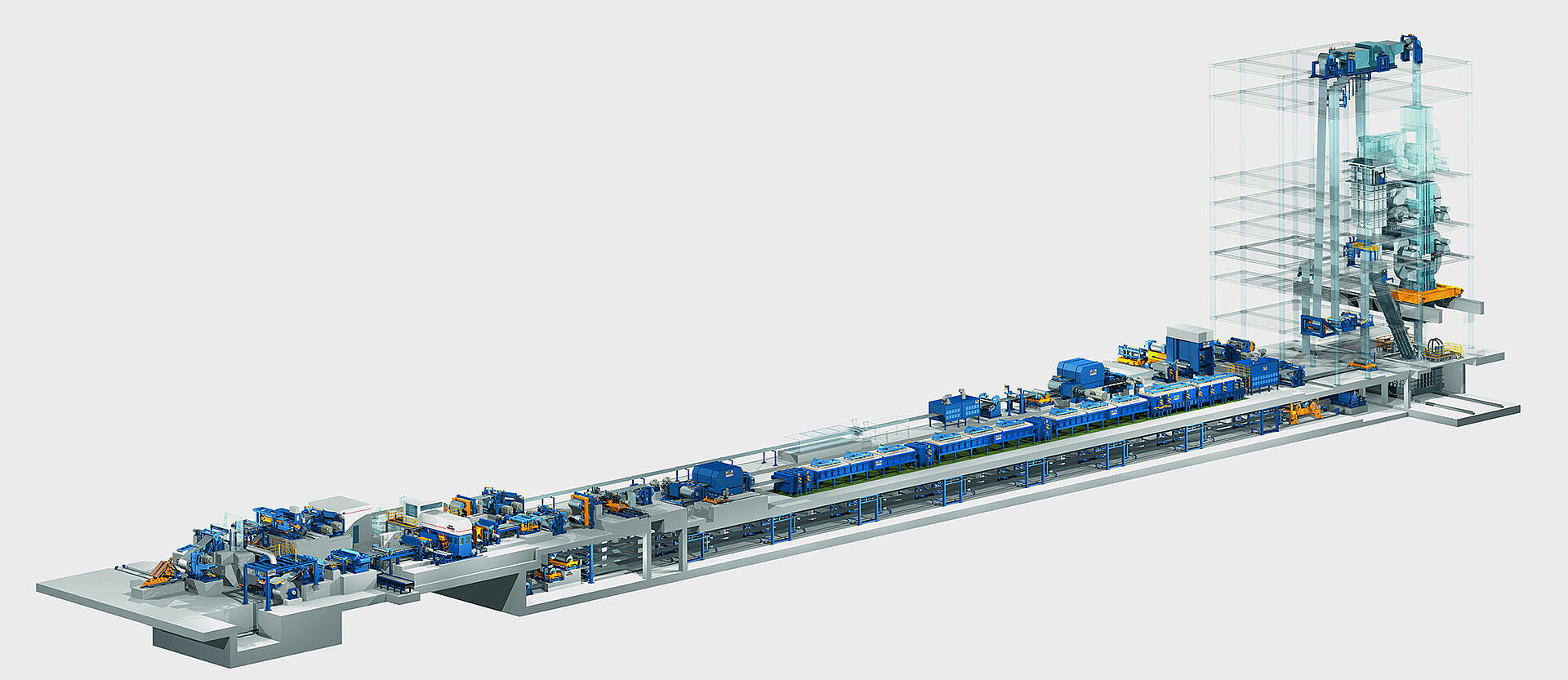
Establishing a steel coating facility requires careful financial planning, as hot dip galvanizing involves complex equipment, chemical processes, and energy-intensive operations. The overall investment depends on production capacity, automation level, and quality requirements.
A properly designed hot dip galvanizing line involves multiple cost elements, from initial construction to long-term operational expenses, all of which must be evaluated before setting up a production facility.
Initial Investment and Plant Construction Costs
The first and most significant expense is the establishment of the production facility itself. This includes building infrastructure capable of supporting heavy machinery and high-temperature operations.
Key components include:
- Factory building construction
- Foundation for heavy equipment
- Utility systems installation
- Safety and ventilation systems
The size and design of the plant directly influence overall capital expenditure.
Equipment and Machinery Costs
The galvanizing process requires a series of specialized machines that work together in sequence. Each unit contributes to the total investment cost.
Major Equipment Includes:
- Entry and coil handling systems
- Cleaning and chemical treatment tanks
- Annealing furnace
- Zinc pot and heating system
- Cooling and finishing units
- Material handling conveyors
Higher automation levels and advanced control systems increase equipment cost but improve long-term efficiency.
Furnace and Heating System Expenses
The annealing furnace and zinc heating systems are among the most expensive components due to their energy requirements and technical complexity.
Cost factors include:
- Burner technology type
- Heat recovery systems
- Insulation quality
- Fuel consumption efficiency
Efficient furnace design reduces long-term operational expenses despite higher initial investment.
Automation and Control System Costs
Modern production lines often include automated monitoring and control systems to ensure consistent quality and stable operation.
These systems may include:
- Programmable controllers
- Real-time monitoring sensors
- Thickness measurement systems
- Process control software
Although automation increases setup cost, it improves productivity and reduces human error.
Raw Material and Chemical Setup Costs
Before production begins, initial supplies of zinc, acids, flux chemicals, and cleaning agents must be purchased.
Major consumables include:
- Zinc metal for coating
- Acid solutions for pickling
- Fluxing agents
- Maintenance chemicals
These materials are essential for starting production and maintaining process stability.
Energy Consumption and Utility Costs
Galvanizing operations require significant energy for heating, chemical processing, and mechanical movement.
Ongoing utility costs include:
- Fuel or electricity for furnaces
- Water for cleaning and cooling
- Compressed air systems
- Waste treatment systems
Energy efficiency plays a major role in long-term cost control.
Labor and Operational Expenses
Skilled operators and maintenance personnel are required to manage production effectively. Labor costs vary depending on automation level and plant size.
Operational expenses include:
- Operator wages
- Maintenance staff
- Training programs
- Safety supervision
Proper training helps reduce operational errors and improve efficiency.
Maintenance and Repair Costs
Regular maintenance is necessary to ensure stable operation and prevent equipment failure.
Common maintenance requirements include:
- Furnace inspection and repair
- Zinc pot cleaning
- Roller and conveyor servicing
- Sensor calibration
Preventive maintenance helps reduce unexpected downtime and costly repairs.
Environmental Compliance Costs
Industrial facilities must meet environmental regulations, which adds additional costs to setup and operation.
These may include:
- Emission control systems
- Wastewater treatment units
- Chemical disposal systems
- Safety compliance installations
These systems ensure safe and lawful operation of the facility.
Long-Term Operational Efficiency
While initial investment is high, long-term efficiency determines overall profitability. Well-designed systems reduce material waste and improve production output.
Factors affecting efficiency include:
- Process stability
- Energy consumption control
- Zinc usage optimization
- Equipment reliability
Efficient systems reduce overall production cost per unit.
Conclusion
Setting up a galvanizing facility involves multiple cost factors, including equipment, infrastructure, energy, labor, and environmental systems. Each element contributes to the total investment and long-term operational performance.
A properly planned hot dip galvanizing line ensures balanced cost management while delivering stable production, efficient resource use, and consistent steel coating quality for industrial applications.