
Introduction
Safety is a critical aspect of any construction project, particularly when working with heavy drilling equipment. Deep foundation construction involves powerful machinery, complex ground conditions, and potentially hazardous working environments. Following proper safety procedures helps prevent accidents, protects workers, and ensures smooth project execution.
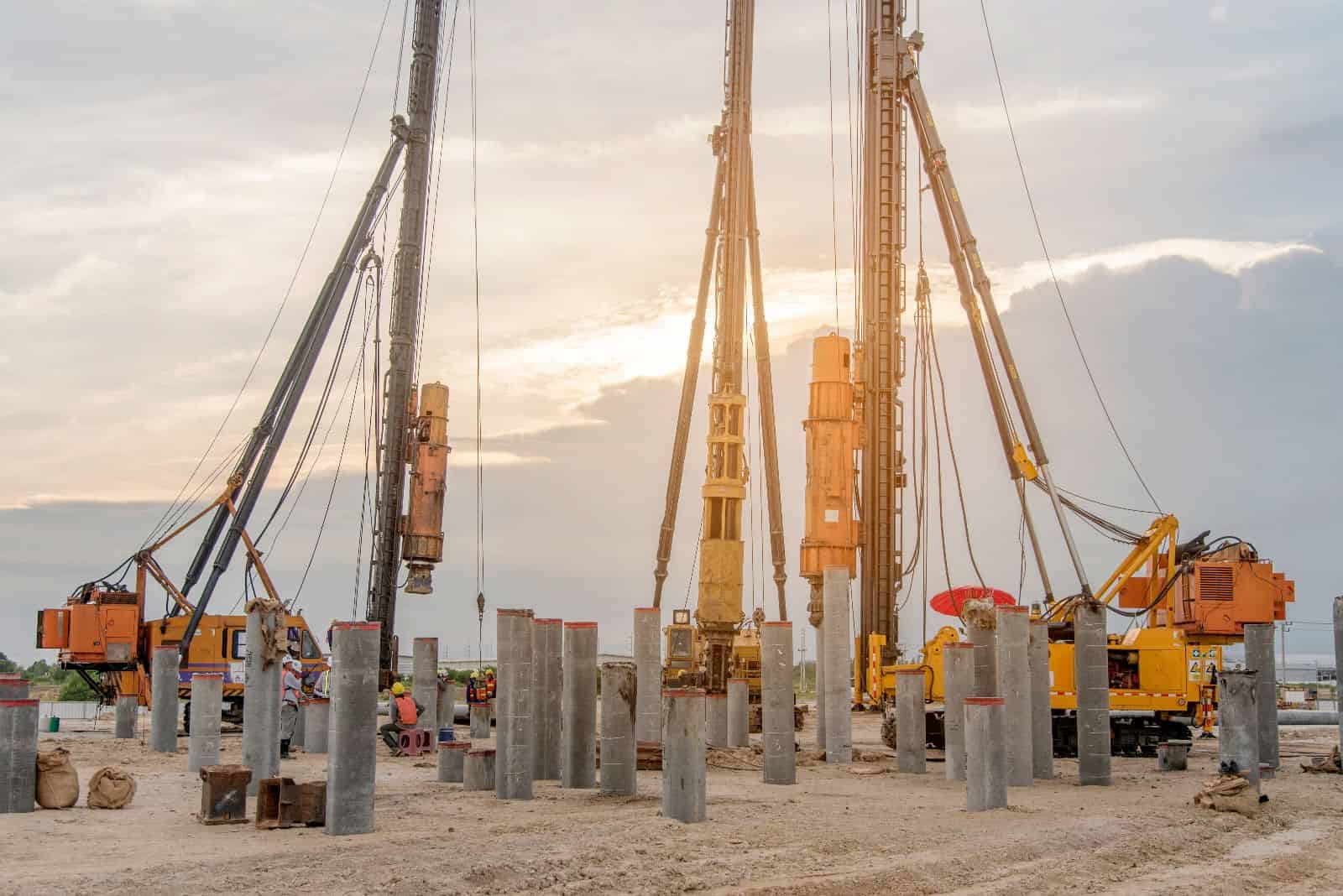
A modern pile boring machine is designed to create deep and stable foundation holes for buildings, bridges, and infrastructure projects. While these machines offer excellent performance and efficiency, operators must follow strict safety guidelines to maintain a safe and productive worksite.
Importance of Safety in Pile Boring Operations
Pile boring operations involve rotating drilling tools, hydraulic systems, heavy loads, and deep excavations. Without proper precautions, these activities can pose risks to both workers and equipment.
Effective safety practices help:
- Minimize workplace accidents
- Protect expensive machinery from damage
- Reduce project delays caused by incidents
- Improve operational efficiency
- Ensure compliance with construction safety regulations
Creating a safety-focused work environment benefits everyone involved in the project.
Conduct Thorough Pre-Operation Inspections
Before starting work, operators should inspect both the machine and the surrounding work area. Identifying potential issues early can prevent serious problems during operation.
Key inspection tasks include:
- Checking hydraulic hoses and connections for leaks
- Inspecting drilling tools for wear or damage
- Verifying proper fluid levels
- Testing control systems and emergency shut-off functions
- Examining the mast and structural components for defects
Regular inspections improve equipment reliability and reduce operational risks.
Ensure Proper Operator Training
Only trained and qualified personnel should operate a pile boring machine. Proper training helps operators understand machine functions, site hazards, and emergency procedures.
Training should cover:
- Machine controls and operating procedures
- Safe drilling techniques
- Hazard recognition and risk assessment
- Equipment maintenance basics
- Emergency response protocols
Well-trained operators are more likely to make safe decisions and avoid costly mistakes.
Wear Appropriate Personal Protective Equipment
Personal protective equipment (PPE) is essential for minimizing injury risks on construction sites.
Recommended PPE includes:
- Safety helmets
- High-visibility clothing
- Steel-toe safety boots
- Protective gloves
- Safety glasses or face shields
- Hearing protection when necessary
All personnel working near drilling operations should wear the required protective gear at all times.
Maintain a Safe Work Zone
A clearly defined work zone helps prevent unauthorized access and reduces the likelihood of accidents.
Best practices include:
- Establishing barriers around the drilling area
- Posting visible warning signs
- Restricting access to authorized personnel
- Maintaining clear communication among workers
- Keeping the site free of unnecessary obstacles
A well-organized work area contributes significantly to overall safety.
Monitor Ground Conditions
Ground conditions can change unexpectedly during drilling operations. Operators should continuously monitor soil stability and environmental factors.
Important considerations include:
- Soil strength and consistency
- Groundwater levels
- Nearby structures and utilities
- Potential ground movement or collapse
Understanding site conditions helps prevent equipment instability and drilling complications.
Operate the Machine Within Design Limits
Every pile boring machine has specified operating limits regarding drilling depth, torque, and load capacity. Exceeding these limits can increase the risk of equipment failure and accidents.
Operators should:
- Follow manufacturer guidelines
- Avoid overloading the machine
- Use the correct drilling tools for soil conditions
- Monitor system performance throughout operation
Adhering to operational limits ensures safe and efficient drilling.
Hydraulic System Safety
Hydraulic systems generate significant pressure and require careful handling. Failure to maintain hydraulic components can create serious hazards.
Safety measures include:
- Inspecting hydraulic lines regularly
- Replacing damaged hoses immediately
- Monitoring pressure levels
- Keeping hydraulic fluid clean and at proper levels
Proper hydraulic maintenance improves machine performance and safety.
Emergency Preparedness
Even with strong safety procedures, unexpected situations can occur. Construction sites should have clear emergency plans in place.
Essential preparations include:
- Accessible first-aid kits
- Emergency contact information
- Fire extinguishers near operating areas
- Emergency shutdown procedures
- Regular safety drills and training sessions
Being prepared allows workers to respond quickly and effectively during emergencies.
Regular Maintenance for Long-Term Safety
Routine maintenance is one of the most effective ways to prevent equipment-related accidents. A properly maintained machine operates more reliably and safely.
Maintenance tasks should include:
- Lubricating moving parts
- Replacing worn drilling tools
- Inspecting structural components
- Servicing hydraulic and power systems
- Updating control and monitoring systems
Consistent maintenance reduces downtime and extends equipment lifespan.
Conclusion
Safe operation of a pile boring machine requires a combination of proper training, regular maintenance, thorough inspections, and strict adherence to safety procedures. By implementing these guidelines, construction teams can reduce risks, improve productivity, and create a safer working environment.
As foundation projects continue to grow in complexity, maintaining high safety standards remains essential for achieving successful and efficient construction outcomes.