Modern religious architecture is evolving rapidly, with a stronger emphasis on functionality, sustainability, and user experience. In mosques, Islamic centers, and prayer facilities, ablution areas are no longer treated as secondary spaces but are now carefully integrated into overall architectural planning. This shift has led to the development of more advanced, efficient, and aesthetically aligned solutions.
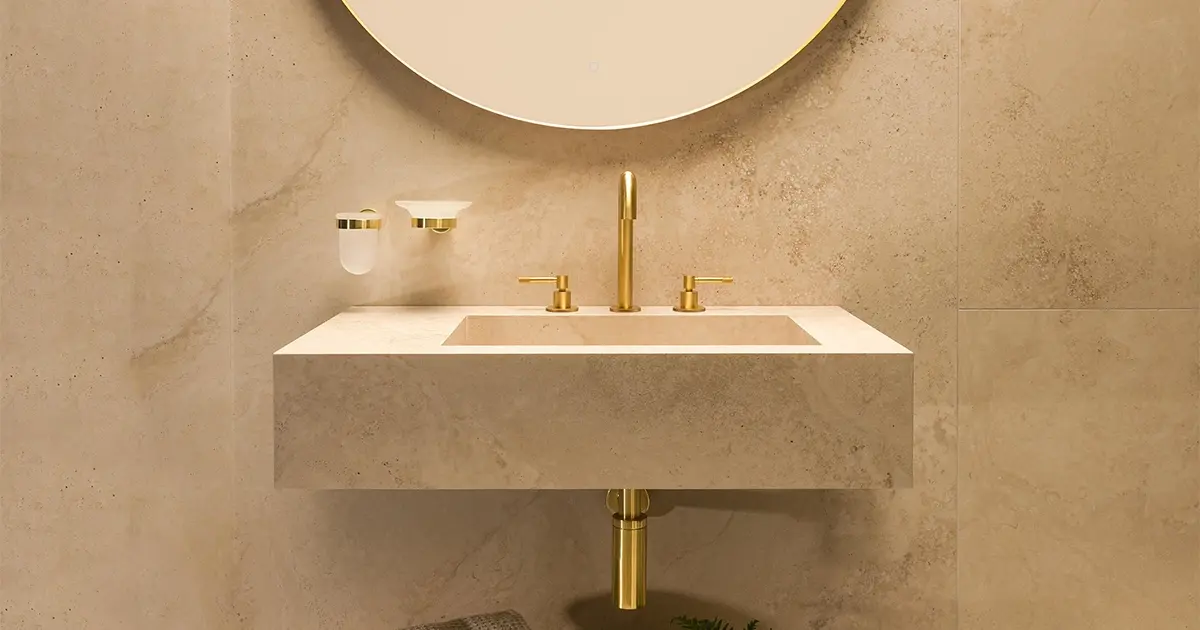
A contemporary Ablution Wash Basin reflects current architectural trends by combining ergonomic design, hygienic materials, and space-efficient layouts that complement modern mosque interiors while improving usability for large numbers of worshippers. At the same time, for businesses involved in export marketing, highlighting architectural trends helps attract international buyers who are actively seeking modern, durable, and design-oriented solutions for religious and public infrastructure projects.
Minimalist and Functional Design Approach
One of the most noticeable trends in religious architecture is the shift toward minimalism and functional simplicity.
Key features include:
- Clean and uncluttered surfaces
- Simple geometric forms
- Neutral color palettes
- Seamless integration with interior spaces
This creates a calm and organized environment for worshippers.
Integration with Modern Mosque Architecture
Ablution areas are now being designed as an integral part of mosque architecture rather than separate utility zones.
Key design integrations include:
- Matching interior materials and finishes
- Harmonized lighting and spatial planning
- Consistent architectural style
- Smooth transition between prayer and ablution areas
This improves overall spatial coherence.
Space-Efficient Multi-User Configurations
With increasing urbanization, efficient use of space has become essential in modern religious facilities.
Common solutions include:
- Linear multi-user basin systems
- Wall-mounted installations
- Compact modular layouts
- Optimized user flow designs
These features maximize capacity in limited spaces.
Focus on Hygiene and Seamless Construction
Hygiene is a central requirement in ablution design, influencing both material selection and structural design.
Key hygienic trends include:
- Non-porous solid surface materials
- Seamless construction without joints
- Easy-to-clean surfaces
- Reduced bacterial buildup risk
These features ensure a cleaner environment.
Ergonomic and Inclusive Design Features
Modern ablution wash basin trends prioritize accessibility and comfort for all users.
Key ergonomic improvements include:
- Comfortable washing height
- Adequate spacing between users
- Easy access to water outlets
- Reduced physical strain during use
This ensures inclusivity for elderly and disabled users.
Sustainable and Water-Efficient Solutions
Sustainability is becoming a key focus in modern religious architecture.
Water-saving trends include:
- Controlled water flow systems
- Splash-reduction basin designs
- Efficient drainage systems
- Reduced water consumption overall
These features support environmentally responsible facility management.
Durable Materials for Long-Term Use
Modern designs prioritize durability to withstand continuous daily usage in public religious spaces.
Durability features include:
- High resistance to wear and impact
- Long-lasting solid surface construction
- Low maintenance requirements
- Stable performance in wet environments
This ensures long-term reliability.
Growing Global Demand in Religious Infrastructure
From a business perspective, modern ablution wash basin solutions are in high demand worldwide.
Export opportunities include:
- Expansion of mosque construction projects globally
- Demand for modern and hygienic ablution systems
- Preference for customizable designs
- Growth in public infrastructure investments
This creates strong international market potential.
Conclusion
Ablution wash basin trends in modern religious architecture emphasize minimalism, hygiene, sustainability, and user comfort. These innovations are transforming how ablution spaces are designed and integrated into contemporary mosques and Islamic centers.
At the same time, growing global demand presents strong export opportunities. By aligning with modern architectural trends, businesses can effectively meet international expectations and support the development of advanced religious infrastructure worldwide.