
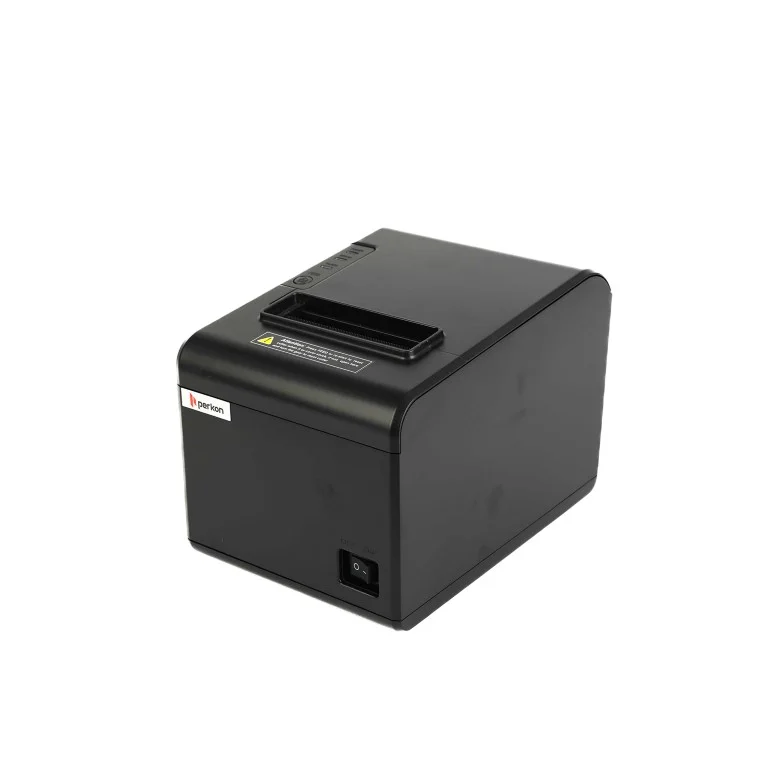
Choosing a receipt printer involves more than comparing features and prices. The manufacturer behind the product plays a major role in determining its quality, reliability, and compliance with international standards. One of the best ways to evaluate a manufacturer is by reviewing the certifications they hold, as these demonstrate a commitment to quality management, product safety, and regulatory compliance.
A reputable Receipt Printer Manufacturer should maintain recognized certifications that reflect high manufacturing standards and responsible production practices. These certifications provide businesses with greater confidence that the products they purchase have been developed and tested according to established industry requirements.
Why Certifications Matter
Certifications serve as independent verification that a manufacturer follows accepted quality and safety standards. They also help businesses reduce risks when sourcing equipment for commercial use.
Some of the key benefits include:
- Greater product reliability
- Improved manufacturing consistency
- Compliance with international regulations
- Enhanced customer confidence
- Better long-term product performance
Manufacturers with recognized certifications are often better prepared to meet the expectations of global markets.
ISO 9001 Quality Management Certification
ISO 9001 is one of the most widely recognized quality management standards worldwide.
This certification demonstrates that a manufacturer has established processes for:
- Maintaining product quality
- Improving operational efficiency
- Managing customer feedback
- Reducing production errors
- Supporting continuous improvement
For buyers, ISO 9001 certification is a strong indicator of consistent manufacturing practices.
CE Certification
For products sold in the European Economic Area, CE marking indicates that the equipment meets applicable health, safety, and environmental requirements.
A CE-certified receipt printer generally complies with regulations related to:
- Electrical safety
- Electromagnetic compatibility
- Environmental protection
This certification supports market access while helping ensure product safety.
FCC Certification
Receipt printers sold in the United States often require compliance with regulations established by the Federal Communications Commission (FCC).
FCC certification helps verify that electronic devices:
- Minimize electromagnetic interference
- Operate within approved communication standards
- Function safely alongside other electronic equipment
This is particularly important for printers with wireless communication features.
RoHS Compliance
The Restriction of Hazardous Substances (RoHS) directive limits the use of certain hazardous materials in electronic products.
RoHS compliance demonstrates that the manufacturer has reduced or eliminated substances such as:
- Lead
- Mercury
- Cadmium
- Hexavalent chromium
- Certain flame retardants
This supports safer manufacturing and more environmentally responsible products.
REACH Compliance
REACH (Registration, Evaluation, Authorization, and Restriction of Chemicals) is a European regulation that focuses on the safe use of chemicals in manufactured products.
Manufacturers following REACH requirements help ensure that materials used in receipt printers meet established safety standards and reduce potential environmental risks.
Energy Efficiency Standards
Many manufacturers also design printers to meet energy efficiency guidelines.
Energy-efficient products can provide several advantages:
- Lower electricity consumption
- Reduced operating costs
- Improved sustainability
- Compliance with regional energy regulations
Efficient equipment benefits both businesses and the environment.
Environmental Management Certification
ISO 14001 is a widely recognized environmental management standard.
Manufacturers with this certification demonstrate efforts to:
- Reduce environmental impact
- Improve waste management
- Increase resource efficiency
- Comply with environmental regulations
This reflects a commitment to responsible manufacturing practices.
Product Safety Testing
In addition to formal certifications, reliable manufacturers conduct extensive product testing before shipment.
Testing may include:
- Electrical safety inspections
- Print quality verification
- Mechanical durability tests
- Connectivity testing
- Continuous operation simulations
Comprehensive testing contributes to dependable long-term performance.
Why Buyers Should Verify Certifications
Before selecting a manufacturer, businesses should confirm that certifications are valid and current.
Consider reviewing:
- Official certification documents
- Product compliance information
- Independent testing reports
- Regulatory approvals
- Quality management practices
Verifying certifications helps ensure that products meet applicable standards and reduces procurement risks.
Common Mistakes to Avoid
When evaluating manufacturers, avoid these common errors:
- Assuming all manufacturers meet the same standards
- Ignoring certification details
- Focusing only on product price
- Overlooking regulatory compliance
- Failing to verify documentation
A careful review of certifications can prevent future operational and compliance issues.
Questions to Ask a Manufacturer
Before making a purchasing decision, consider asking:
- Which international certifications does the company hold?
- Are certifications current and independently verified?
- Do products comply with local market regulations?
- What quality control processes are used during production?
- How often are manufacturing audits performed?
- Are environmental standards incorporated into production?
These questions can help identify manufacturers committed to maintaining high-quality standards.
Conclusion
Certifications play a crucial role in evaluating the credibility and reliability of a receipt printer manufacturer. Standards such as ISO 9001, CE, FCC, RoHS, REACH, and ISO 14001 demonstrate a commitment to quality, safety, regulatory compliance, and environmental responsibility.
By choosing a manufacturer with recognized certifications and strong quality management practices, businesses can invest in receipt printing solutions that offer dependable performance, long-term durability, and compliance with international standards, providing greater confidence in every purchase.