
Common Mistakes When Selecting Drip Irrigation Wholesale Suppliers
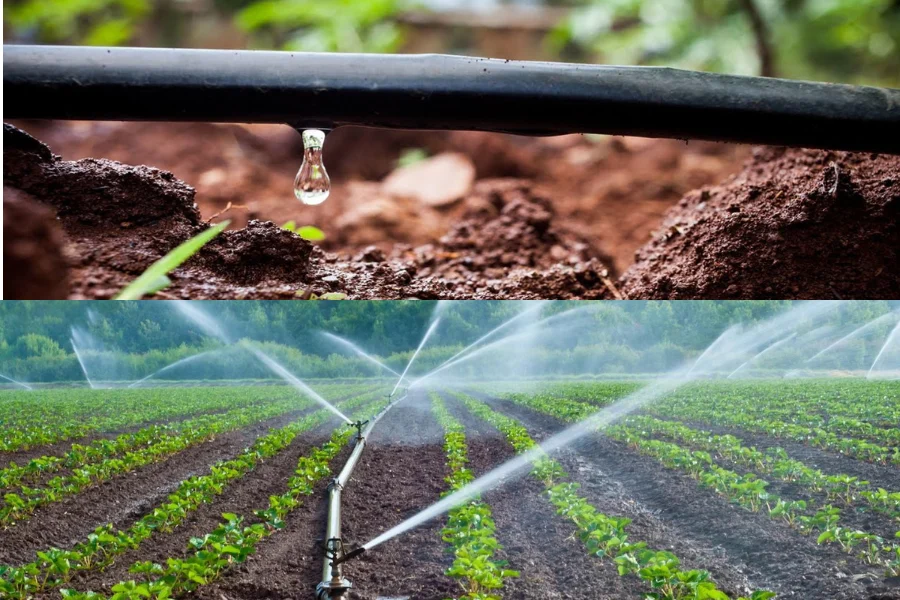
Choosing a suitable supplier is an important decision for agricultural operations, greenhouses, nurseries, landscaping projects, and other large irrigation applications. The right supplier can provide consistent materials and dependable service, while a poor choice may lead to delays, compatibility issues, and unnecessary costs.
When comparing Drip Irrigation Wholesale Suppliers, buyers should evaluate more than price. Product specifications, material quality, delivery capacity, communication, and long-term availability all deserve careful attention before placing a bulk order.
Choosing Based Only on Price
One of the most common mistakes is selecting a supplier because they offer the lowest price. A low initial cost does not necessarily mean lower overall expenses.
Products with different materials, specifications, durability, or performance characteristics cannot be compared fairly based only on price. Always compare equivalent products and consider long-term value.
Ignoring Technical Specifications
Irrigation components can look similar while having very different operating characteristics. Ignoring technical details can result in unsuitable products being delivered.
Before ordering, check factors such as:
- Tubing diameter
- Wall thickness
- Emitter flow rate
- Emitter spacing
- Pressure rating
- Connection size
- Material type
- Operating conditions
These specifications should match the requirements of the irrigation system.
Failing to Check Product Compatibility
An irrigation system contains many interconnected components. Tubing, fittings, emitters, valves, filters, and pressure regulators need to work together properly.
Ordering components without checking dimensions and operating requirements can result in leaks, poor water distribution, or installation complications.
Not Evaluating Product Quality
A supplier may offer a wide selection of products, but buyers should also determine whether the materials are suitable for the intended environment.
Consider exposure to sunlight, heat, moisture, soil, fertilizers, and water pressure. Material durability and environmental resistance can have a major effect on long-term performance.
Overlooking Water Quality
Water quality can affect the performance and maintenance requirements of a drip irrigation system. Sediment, minerals, algae, and other particles may contribute to clogged emitters.
Before selecting a supplier and product range, consider whether the available filtration options are appropriate for the project’s water source and expected flow rate.
Ignoring Supply Capacity
A supplier may be suitable for small orders but unable to handle the quantities required for a large commercial project.
Before committing to a bulk purchase, ask about available inventory, production capacity, minimum order quantities, and expected lead times. This helps determine whether the supplier can meet the project’s requirements.
Not Checking Delivery Times
A delayed shipment can interrupt installation schedules and increase project costs. This can be particularly problematic during planting seasons or projects with fixed construction deadlines.
Discuss processing and delivery times before placing an order. If the project is being completed in stages, consider whether supplies can be delivered according to the installation schedule.
Forgetting Small Components
Large irrigation purchases often focus on major items such as drip tubing and main lines. Smaller components can easily be overlooked.
Important accessories may include:
- Couplers
- Tees
- Elbows
- Adapters
- Valves
- End closures
- Replacement emitters
Creating a detailed materials list can help prevent missing items from delaying installation.
Ordering Excessive Quantities
Wholesale purchasing can reduce unit costs, but ordering too much can create unnecessary expenses. Excess inventory requires storage space and may remain unused.
Calculate requirements based on the actual irrigation layout. Include a reasonable reserve for installation adjustments and future repairs without purchasing excessive quantities.
Failing to Request Samples
For an unfamiliar supplier, ordering a large quantity without evaluating the products first can increase risk.
When practical, request samples or place a smaller initial order. This provides an opportunity to assess material quality, dimensions, flexibility, fittings, packaging, and overall suitability.
Neglecting Quality Control
Buyers should understand how products are checked before shipment. Quality-control procedures can help identify inconsistent dimensions, damaged components, or other issues.
Ask whether products are inspected or tested according to relevant specifications. Consistent quality is particularly important when large quantities are required.
Not Reviewing Purchasing Terms
Before confirming an order, buyers should understand minimum quantities, payment requirements, delivery conditions, return procedures, and policies for damaged or incorrect items.
Unclear purchasing terms can create problems if an order arrives incomplete or does not meet the agreed specifications.
Poor Communication
Communication problems can lead to incorrect quantities, unsuitable specifications, or missed delivery expectations.
A reliable supplier should be able to provide clear information about products, pricing, availability, and delivery. Buyers should also communicate project requirements accurately and keep written records of important details.
Ignoring Future Replacement Needs
Irrigation systems require maintenance, and some components will eventually need replacement. Selecting a supplier without considering future availability can make repairs more difficult.
Before establishing a long-term purchasing relationship, consider whether compatible tubing, emitters, fittings, filters, and other common components are likely to remain available.
Not Comparing Suppliers Systematically
Comparing suppliers informally can make it easy to overlook important differences. A structured comparison provides a clearer picture of overall value.
Consider evaluating each supplier based on:
- Product quality
- Technical specifications
- Product range
- Pricing
- Minimum order quantities
- Supply capacity
- Delivery performance
- Quality control
- Technical support
- Long-term availability
This approach helps prevent one factor, such as price, from dominating the decision.
Making a Large Commitment Too Quickly
A long-term supplier relationship should be established after sufficient evaluation. Committing to a large order before checking product quality and service reliability can create unnecessary risk.
Starting with a smaller order can provide useful information about product consistency, communication, packaging, delivery, and order accuracy.
Final Thoughts
Selecting drip irrigation wholesale suppliers requires careful evaluation of both products and service. Common mistakes such as focusing only on price, ignoring specifications, overlooking compatibility, and failing to check delivery capacity can create unnecessary problems.
A better approach is to compare suppliers using consistent criteria, verify product quality, understand purchasing terms, and assess long-term availability. Careful selection can help support smoother procurement, reliable installation, and more manageable irrigation system maintenance.