



Centrifugal Slurry Pumps for Coal and Power Plants
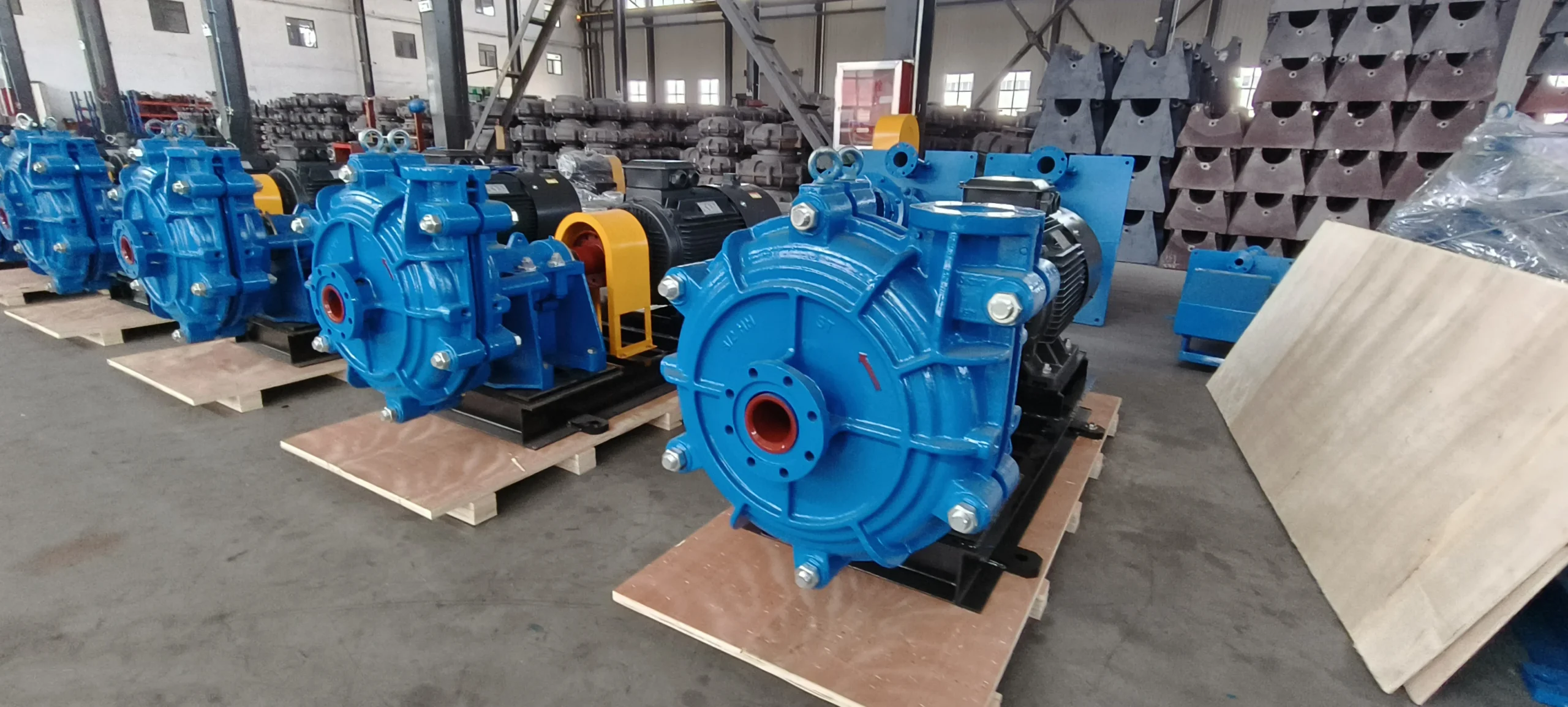
Coal processing and power generation facilities often handle mixtures containing coal particles, ash, minerals, and other solid materials. These slurries can be abrasive and dense, creating demanding conditions for pumping equipment.
A centrifugal slurry pump can transport solid-liquid mixtures through processing, waste-handling, and material-transfer systems. Its design allows it to handle suspended particles while providing the flow and pressure required by industrial pipelines.
Why Are Slurry Pumps Used in Coal and Power Plants?
Conventional pumps designed for clean liquids may experience excessive wear when handling abrasive solids. Coal and power plant processes can generate slurries with significant concentrations of hard particles.
Slurry pumps are designed to accommodate these conditions through suitable hydraulic passages, durable materials, and replaceable wear components.
Applications in Coal Processing Plants
Coal preparation involves several processes that can produce solid-containing water streams. Slurry pumps can support material transportation at different stages of these operations.
Coal Washing
Coal washing separates coal from unwanted materials using water and mechanical processes. The resulting mixture may contain coal fines, rock, clay, and other solids.
Pumps move these mixtures between washing, classification, separation, and recovery stages. The appropriate pump depends on solids concentration, particle size, and slurry density.
Coal Slurry Transportation
Coal particles can be mixed with water to form a transportable slurry. Pumping systems can move this material between storage areas and processing equipment.
Stable flow is important because changes in concentration can affect both hydraulic performance and power requirements.
Waste and Reject Handling
Coal preparation generates waste streams containing rock, mineral matter, and other solids. These materials may be transported as slurry to treatment, storage, or disposal facilities.
Because the particles can be abrasive, wear resistance is an important consideration when selecting pumping equipment.
Applications in Power Plants
Power plants can generate several solid-containing streams that require specialized pumping solutions.
Fly Ash and Bottom Ash Handling
Ash produced during combustion can be mixed with water to create a pumpable slurry. Depending on the plant configuration, slurry pumping systems may transport ash to storage, treatment, or disposal facilities.
Ash particles can be abrasive, so pump materials and component design should match the expected operating conditions.
Flue Gas Desulfurization Slurry
Some power generation systems use wet processes to reduce sulfur compounds in exhaust gases. These processes can produce slurries containing limestone, gypsum, and other solids.
Pumps used in these systems must handle both abrasive particles and potentially corrosive chemical conditions. Material compatibility is therefore an important part of pump selection.
Wastewater and Solid-Containing Streams
Industrial wastewater from power generation facilities may contain suspended solids, mineral particles, or treatment residues.
Depending on the composition and concentration of these materials, slurry pumping equipment may be used for transfer and handling applications.
Key Challenges in Coal and Power Plant Slurry Pumping
Several operating factors can affect pump performance and service life.
Abrasive Particles
Coal, ash, limestone, and mineral particles can gradually wear impellers, liners, casings, and other wetted components.
The severity of wear depends on particle hardness, size, concentration, and flow velocity.
High Solids Concentration
Dense slurries require more energy to transport than dilute mixtures. Increasing solids concentration can also affect viscosity and hydraulic resistance.
Pump selection should therefore account for the actual slurry concentration rather than assuming clean-water conditions.
Corrosion
Some process slurries can contain chemically aggressive substances. When corrosion occurs alongside abrasion, components may deteriorate faster than they would under either condition alone.
Suitable materials should be selected according to the chemical and physical properties of the slurry.
Important Pump Components
Several components play key roles in coal and power plant applications.
Impeller
The impeller transfers mechanical energy to the slurry and generates the velocity required for pumping. Its design must provide sufficient passage for the expected solid particles.
Material selection is also important because the impeller is directly exposed to abrasive slurry.
Pump Casing and Liners
The casing guides the slurry toward the discharge outlet. Replaceable liners may be used to protect internal surfaces from abrasion and corrosion.
Regular inspection helps identify wear before it significantly affects hydraulic performance.
Shaft and Bearings
The shaft transfers power from the drive system to the impeller, while bearings support the rotating assembly.
Proper alignment, lubrication, and monitoring help reduce mechanical wear and vibration.
Sealing System
Sealing components help control leakage around the rotating shaft. Their material and configuration should be compatible with the slurry, pressure, and operating temperature.
Factors to Consider When Selecting a Pump
A suitable pump should be selected according to the actual operating requirements of the coal or power plant.
Important considerations include:
- Flow rate
- Total head
- Slurry density
- Solids concentration
- Particle size
- Particle hardness
- Corrosive properties
- Operating temperature
- Pipeline length and configuration
- Expected operating hours
These factors help determine the appropriate pump size, construction materials, and operating speed.
Improving Pump Efficiency
Efficient operation starts with correct pump sizing. An oversized pump may consume unnecessary energy, while an undersized pump may fail to meet process requirements.
Pipeline design also matters. Excessive bends, restrictions, and unsuitable pipe diameters can increase hydraulic losses and raise energy consumption.
Maintaining the pump within an appropriate operating range can also help control wear and reduce unnecessary mechanical stress.
Maintenance for Reliable Operation
Regular maintenance is particularly important in coal and power plant applications because abrasive slurries can cause gradual component deterioration.
Operators should monitor flow, pressure, vibration, temperature, leakage, and power consumption. Wear components should be inspected according to operating hours and slurry severity.
Replacing worn liners, impellers, seals, and other components at appropriate intervals can help maintain performance and prevent secondary damage.
Conclusion
Centrifugal slurry pumps are useful in coal processing and power generation because these industries frequently handle abrasive solid-liquid mixtures. Common applications include coal washing, coal slurry transportation, waste handling, ash removal, flue gas desulfurization, and solid-containing wastewater transfer.
Reliable performance depends on selecting equipment according to slurry characteristics, flow and head requirements, material compatibility, and system design. Proper operation and preventive maintenance can further help control wear, energy consumption, and unplanned downtime.