
Soccer Gear and Equipment for Beginners: What to Know Before Buying
Starting soccer is an exciting experience, but buying equipment for the first time can be confusing. With so many types of cleats, balls, shin guards, clothing, and accessories available, beginners may struggle to know what they actually need.
The best approach is to focus on comfort, safety, fit, and the conditions in which you will play. Understanding the basics of Soccer Gear and Equipment can help you make practical choices without spending money on items that are not necessary for your current level.
Start With the Basic Essentials
Beginners usually do not need an extensive collection of equipment. A few essential items are enough for most training sessions and recreational matches.
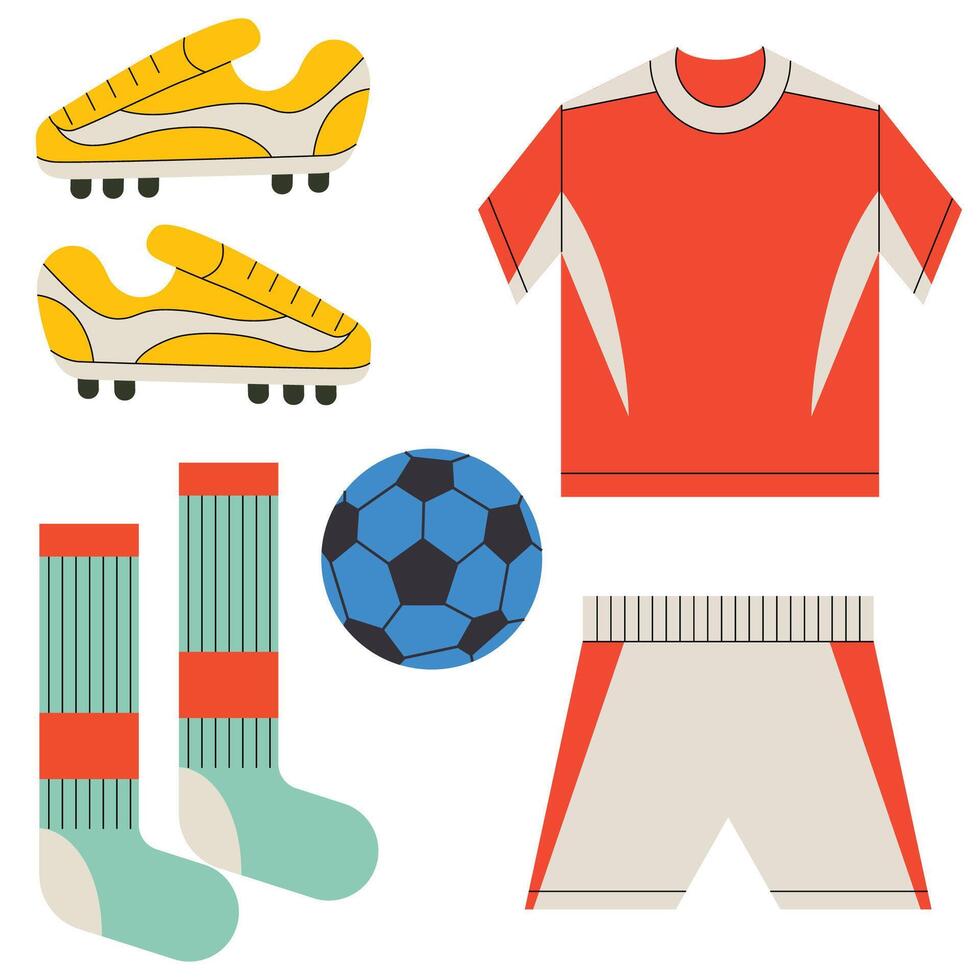
A basic soccer kit typically includes:
- Soccer cleats
- Shin guards
- Soccer socks
- Jersey and shorts
- An appropriate soccer ball
- Water bottle
- Equipment bag
Your coach, club, school, or league may have additional requirements, so check before purchasing new gear.
Choose the Right Soccer Cleats
Cleats are one of the most important purchases for a new soccer player. They provide traction and stability while running, stopping, turning, and kicking.
The correct type depends on the playing surface. Firm-ground cleats are commonly designed for natural grass, while artificial-ground footwear is intended for suitable synthetic pitches. Indoor soccer requires flat-soled shoes.
Do not choose cleats based solely on appearance. A comfortable and secure fit is much more important for a beginner.
Pay Attention to Fit
Proper fit should be a priority when buying soccer equipment. Cleats that are too loose can affect stability, while footwear that is too tight can cause discomfort.
Shin guards should cover an appropriate portion of the lower leg and remain securely positioned. Soccer clothing should allow free movement without being excessively tight or oversized.
Check manufacturer sizing charts before buying, especially when shopping online. Sizes can vary between brands and models.
Understand Shin Guard Options
Shin guards are essential protective equipment for soccer players. They help reduce the effects of accidental kicks and contact during play.
Beginners can choose from lightweight slip-in models, guards with straps, and designs used with specialized sleeves.
The best option is one that provides suitable coverage while remaining comfortable and secure during running and changes of direction.
Pick the Correct Soccer Ball Size
Soccer balls come in different sizes, and the correct choice generally depends on age and playing level.
Younger children typically use smaller balls, while older youth players and adults commonly use a size 5 ball.
For regular practice, beginners may want a durable training ball. If you are joining an organized team, check whether your coach or league specifies a particular ball size or type.
Choose Comfortable Soccer Clothing
Soccer jerseys and shorts should allow unrestricted movement during running, kicking, stretching, and other activities.
Lightweight, breathable fabrics are commonly used because they can help manage moisture during physical exertion.
You do not need expensive performance clothing as a beginner. Focus on a comfortable fit and materials suitable for the weather where you play.
Don’t Forget Soccer Socks
Soccer socks are designed to cover the lower leg and help keep shin guards in position.
They should fit comfortably around the foot and calf without creating excessive pressure or bunching inside your cleats.
Having an extra pair in your bag can be useful for longer training sessions or wet outdoor conditions.
Consider the Playing Surface
Before buying footwear, find out exactly where you will be playing.
Natural grass, artificial turf, and indoor courts have different traction characteristics. Using the wrong footwear may affect comfort and movement.
If you are new to a club or school team, ask your coach which type of cleats is appropriate for the field before making a purchase.
Think About Your Position
Beginners do not usually need position-specific equipment immediately. However, your position can become more relevant as you gain experience.
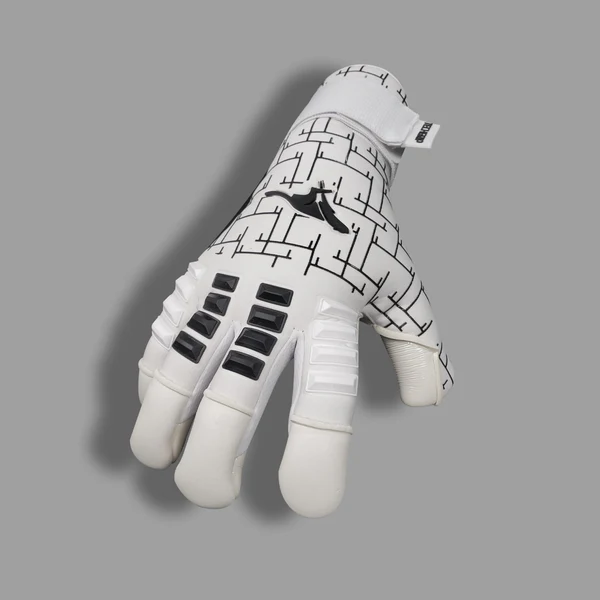
Goalkeepers, for example, may eventually need goalkeeper gloves and padded clothing. Outfield players generally need only the standard equipment required for their age and level.
It is better to wait until you understand your position and playing routine before investing in specialized gear.
Consider Your Playing Frequency
How often you play should influence how much you spend.
If you are attending occasional recreational sessions, basic equipment may be sufficient. Players who train several times a week may benefit from more durable cleats, additional clothing, and spare socks.
There is no need to buy professional-level equipment when you are still learning what works for you.
Set a Realistic Budget
Creating a budget can make your first equipment purchase much easier.
Prioritize essential items such as properly fitted cleats and shin guards. Once those needs are covered, you can consider accessories and specialized equipment.
A higher price does not always mean a product will be better for your particular needs. Compare fit, durability, materials, and intended use before deciding.
Check the Equipment Rules
If you are joining a league, school, or organized club, ask about equipment requirements before buying anything.
Some competitions have specific rules regarding uniforms, shin guards, cleats, goalkeeper clothing, and other items.
Following these requirements from the beginning can prevent unnecessary purchases later.
Think About Weather Conditions
Your local weather can influence what clothing and accessories you need.
Hot conditions may call for lightweight clothing and reliable access to water. Colder sessions may require base layers or warm-up clothing that still allows unrestricted movement.
For outdoor players, rain can also affect footwear and equipment maintenance. Wet items should be removed from your bag and allowed to dry properly after training.
Avoid Buying Too Much at Once
One of the most common beginner mistakes is purchasing equipment simply because it looks useful.
Training cones, rebounders, agility ladders, specialized footwear, and other accessories can be valuable, but they are not essential for everyone.
Start with what your coach or playing environment requires. You can add equipment later once you understand your training needs.
Consider Durability and Maintenance
Beginners should look for equipment that can withstand regular use without requiring complicated maintenance.
Clean muddy cleats after outdoor sessions and allow them to dry naturally. Wash soccer clothing according to its care instructions and avoid leaving damp items in a closed equipment bag.
Regularly inspect shin guards, footwear, and other equipment for damage. Replacing worn gear at the appropriate time can help maintain comfort and protection.
Ask for Advice When Needed
If you are unsure about a particular piece of equipment, ask your coach, experienced teammates, or a knowledgeable sports retailer for guidance.
Your playing surface and training environment can make certain choices more suitable than others.
Getting advice before purchasing can be particularly useful for cleats, goalkeeper gloves, and equipment with specialized features.
A Simple Beginner’s Checklist
Before your first training session or match, make sure you have the essentials:
- Correctly fitted soccer cleats
- Suitable shin guards
- Soccer socks
- Comfortable jersey and shorts
- Appropriate soccer ball
- Water bottle
- Equipment bag
- Weather-appropriate clothing
Check with your coach or team to determine whether anything else is required.
Final Thoughts
Buying soccer equipment for the first time does not have to be complicated. Start with the basics, choose equipment that fits properly, and consider the surface, weather, age, and frequency of play.
Avoid being influenced solely by price, appearance, or professional trends. As you gain experience, you will learn more about your personal preferences and can gradually invest in equipment that supports your development on the field.