

Factors That Influence Face Mask Manufacturing Costs
The cost of producing facial masks depends on much more than the basic ingredients used in a formula. Product type, raw materials, packaging, production volume, testing, and customization can all affect the final manufacturing cost. Understanding these factors helps skincare brands plan budgets more accurately and avoid unexpected expenses.
Working with an experienced Face Mask Manufacturer can help businesses evaluate these variables before production begins. A manufacturer can assess the product concept, identify production requirements, and provide a clearer estimate based on the desired formula, packaging, order volume, and quality specifications.
Type of Face Mask
The type of mask being produced is one of the first factors affecting manufacturing costs. Sheet masks, clay masks, cream masks, gel masks, and peel-off masks require different formulations, equipment, materials, and production processes.
Sheet masks, for example, require both a facial substrate and a liquid essence, while clay masks depend more heavily on their specific formulation and filling process. More specialized formats may require additional equipment or production steps.
Choice of Ingredients
Raw materials can represent a significant portion of manufacturing expenses. Basic cosmetic ingredients are generally more economical than specialized or premium ingredients.
Factors that may influence ingredient costs include:
- Type and concentration of active ingredients
- Botanical extracts and specialty ingredients
- Ingredient sourcing and availability
- Required purity or quality standards
- Formula complexity
A formula containing multiple specialty ingredients may therefore cost considerably more to produce than a simple formulation.
Product Formula Complexity
The number and type of ingredients are not the only considerations. Complex formulas can require more extensive development, compatibility testing, and manufacturing controls.
Some formulations may also require specialized mixing, heating, cooling, emulsification, or processing conditions. These additional steps can increase both production time and manufacturing costs.
Packaging Selection
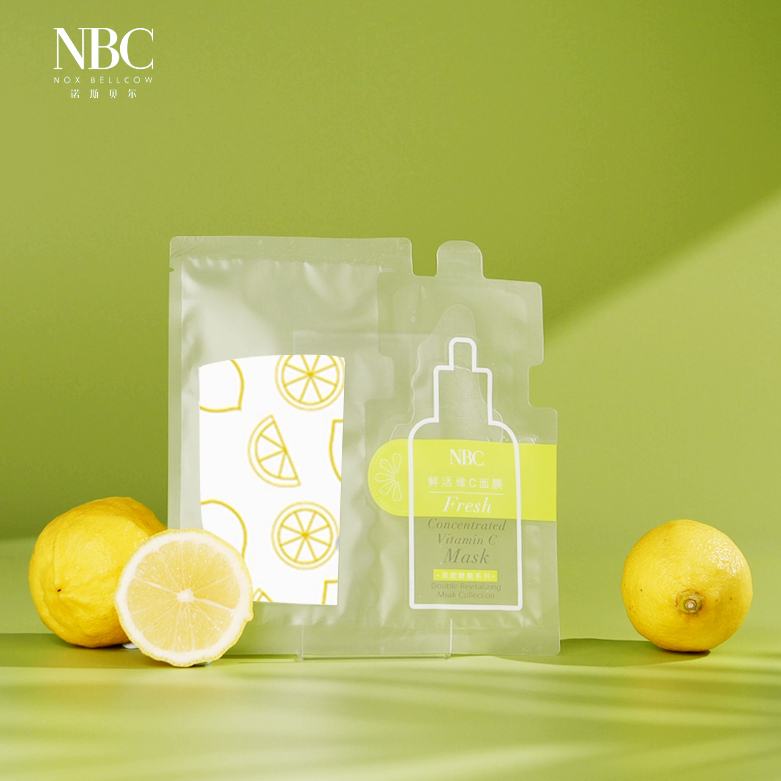
Packaging has a direct impact on the overall cost of a face mask product. A basic single-use pouch may be relatively straightforward to produce, while premium packaging with custom printing, special finishes, multiple components, or complex structures can require greater investment.
Brands should also consider whether packaging needs to provide additional protection against moisture, oxygen, light, or contamination. The most attractive packaging is not always the most economical or practical choice.
Order Quantity
Production volume can strongly influence the cost per unit. Larger orders often allow manufacturers to spread setup, labor, and other fixed expenses across more products.
Smaller production runs may have a higher unit cost because certain manufacturing and packaging expenses remain relatively fixed. However, lower quantities can be useful for startups or brands testing market demand before committing to larger inventory levels.
Customization Requirements
Customization can increase manufacturing costs depending on its scope. Creating a completely new formula typically requires more development work than selecting an existing formulation.
Other customized elements may include fragrance, texture, mask material, packaging design, printing, and product specifications. Brands should distinguish between essential customization and features that add cost without significantly improving the product.
Research and Development
New product development may involve laboratory work, sample production, formula adjustments, stability testing, and other technical procedures. Each additional development stage can contribute to the initial cost of bringing a product to market.
Established formulas may require less development investment, while completely original products generally require more time and resources before commercial production.
Testing and Quality Assurance
Product testing is another important cost consideration. Depending on the formulation and target market, manufacturers may conduct stability testing, microbiological testing, packaging compatibility assessments, and other quality evaluations.
Although testing contributes to development expenses, it plays an important role in verifying product consistency, safety, and shelf-life performance.
Manufacturing Technology and Equipment
Production equipment can influence both the cost and efficiency of manufacturing. Automated systems may require greater initial investment but can improve production speed and consistency at larger volumes.
Specialized products may also require dedicated machinery or additional processing stages. The available manufacturing technology should therefore be considered alongside production volume and product complexity.
Labor and Production Time
Labor requirements vary according to the type of product and degree of automation. Products involving several manual processes, detailed inspections, or specialized handling can require more labor hours.
Production scheduling also matters. Longer processing times, additional cleaning requirements, or multiple production stages can increase the resources needed for each batch.
Shipping and Storage Considerations
Although shipping is not always included in the manufacturer’s production price, it can influence the total cost of bringing a product to market. Packaging weight, product dimensions, storage conditions, and transportation distance can all affect logistics expenses.
Brands should consider these costs early, particularly when ordering large quantities or selling products internationally.
How Brands Can Manage Manufacturing Costs
Cost management does not necessarily mean choosing the cheapest ingredients or packaging. A better approach is to balance product quality, consumer expectations, production efficiency, and long-term business objectives.
Brands can control expenses by:
- Defining product specifications before requesting quotations.
- Comparing different packaging and formula options.
- Evaluating minimum order quantities carefully.
- Avoiding unnecessary customization.
- Planning production volumes according to realistic demand.
- Discussing testing and documentation requirements in advance.
Conclusion
Face mask manufacturing costs are influenced by a combination of formulation, materials, packaging, production volume, customization, testing, labor, and logistics. No single factor determines the final price, and the cheapest option may not always provide the best value.
Nox Bellcow Cosmetics operates in a market where product quality, manufacturing efficiency, and customization can all affect commercial decisions. By understanding the main cost drivers and discussing requirements clearly with a manufacturing partner, skincare brands can develop more realistic budgets while maintaining the quality standards expected by their customers.