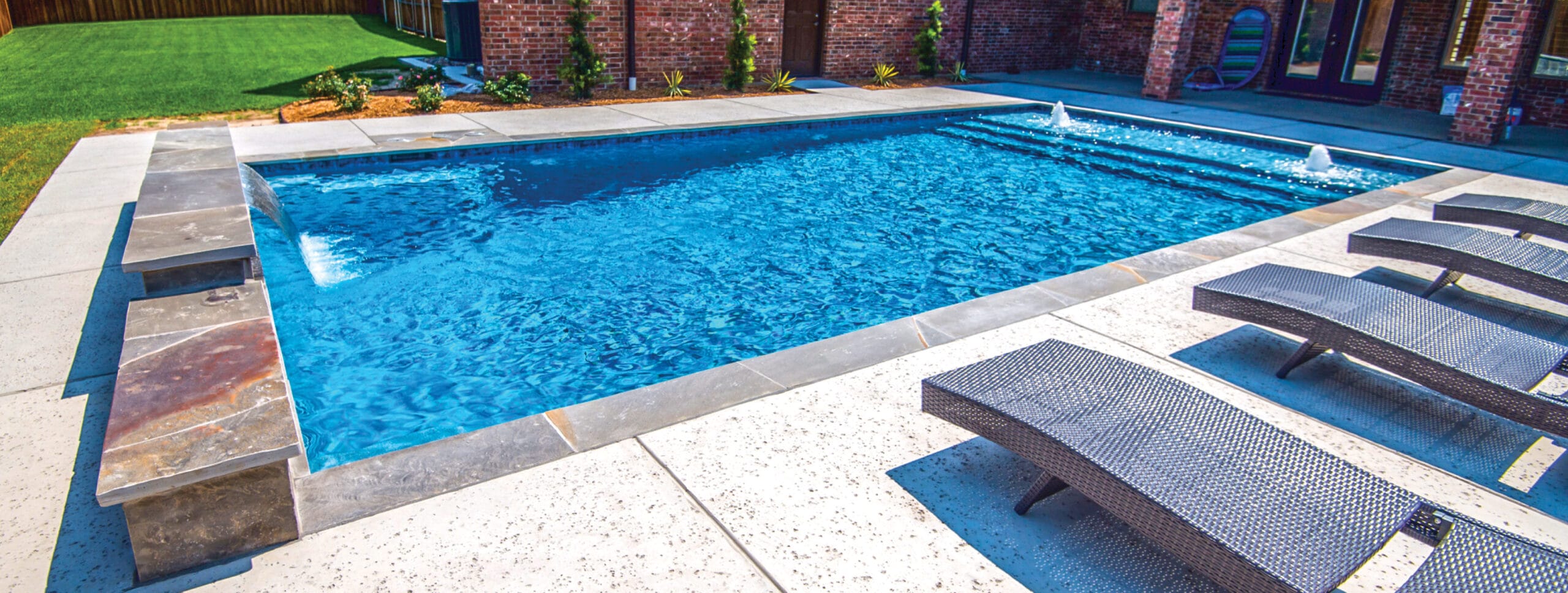
Swimming pools provide opportunities for recreation, fitness, and relaxation, but they can also contribute to household water and energy consumption. Evaporation, inefficient pumps, heating systems, and inadequate maintenance may increase operating costs over time. With thoughtful planning and responsible everyday practices, pool owners can reduce resource use without compromising water quality or swimming comfort.
Choosing effective Swimming Pool Solutions helps homeowners identify practical ways to improve efficiency and manage long-term expenses. From installing energy-efficient equipment to minimizing water loss, small improvements can make a meaningful difference when combined with regular maintenance and appropriate pool management.
Understanding Where Swimming Pools Use Water and Energy
Before making upgrades, homeowners should understand which aspects of pool operation consume the most resources. Water is commonly lost through evaporation, splashing, backwashing, and leaks, while energy is used by circulation pumps, heaters, lighting, and automated equipment.
The amount consumed depends on several factors, including pool size, local climate, swimming frequency, equipment condition, and operating schedules. Outdoor pools in hot or windy environments may experience greater evaporation, while heated pools generally require additional energy to maintain comfortable temperatures.
Identifying the main sources of waste allows homeowners to prioritize improvements that offer practical benefits rather than investing in equipment that may not suit their needs.
Reduce Water Loss With a Suitable Pool Cover
Evaporation is one of the most significant sources of water loss in many outdoor swimming pools. As water evaporates, the pool also loses heat, which can increase the energy needed for heating.
A suitable pool cover helps limit evaporation when the pool is not in use. Depending on the cover type and conditions, it may also reduce debris accumulation and lower the amount of replacement water required.
Solar covers can provide additional warming under suitable sunlight conditions, while insulated covers may help retain heat. Homeowners should choose a cover based on pool dimensions, climate, handling requirements, and intended use.
A standard pool cover should not be treated as a safety barrier unless it is specifically designed and certified for that purpose. Secure storage and proper handling are also important, particularly in households with children.
Improve Energy Efficiency With Modern Pool Pumps
Pool circulation pumps are essential for moving water through filtration and treatment equipment. However, pumps that are poorly sized or operated at unnecessarily high speeds can consume more electricity than required.
Consider Variable-Speed Pumps
Variable-speed pumps allow users to adjust motor speed according to circulation and cleaning needs. Operating at lower speeds for suitable periods can reduce energy consumption while maintaining the required water flow.
The potential savings depend on the existing pump, plumbing resistance, pool usage, and local electricity costs. Homeowners should consult a qualified pool professional to determine whether replacing an older pump is worthwhile.
Optimize Pump Operating Schedules
Running a pump longer than necessary can waste electricity, but reducing circulation without considering filtration and sanitation requirements can create water-quality problems.
Operating schedules should reflect the pool’s size, equipment specifications, water conditions, and usage patterns. Timers and compatible automation systems can help maintain consistent schedules while preventing unnecessary operation.
Regularly cleaning filters and removing obstructions can also help circulation equipment perform more efficiently.
Choose Efficient Pool Heating Systems
Heating can account for a substantial portion of a pool’s energy use, particularly when the water is maintained at a high temperature or the pool is used throughout cooler months.
Heat pumps transfer heat from the surrounding air into the water and can operate efficiently in suitable climates. Solar heating systems use available sunlight, while gas heaters provide relatively rapid heating when needed.
The best option depends on local weather, pool size, energy prices, and the desired swimming schedule. Homeowners should compare expected operating costs alongside equipment prices and installation requirements.
Reducing the target temperature slightly when appropriate and covering the pool between swimming sessions can further decrease heating demand.
Prevent Leaks and Unnecessary Water Waste
Small leaks can lead to significant water loss when they remain undetected. Regular inspections of the pool structure, plumbing connections, valves, and equipment can help identify potential problems before they become more serious.
Homeowners should monitor water levels under consistent conditions and consider weather-related evaporation when interpreting changes. If water loss appears unusually high, a professional assessment may be necessary to distinguish a leak from normal evaporation or splashing.
Other practical ways to conserve water include:
- Repairing leaking pipes, valves, and fittings promptly.
- Avoiding unnecessary splashing and excessive overflow.
- Using appropriate filtration equipment to reduce avoidable backwashing.
- Checking automatic water-level systems for proper operation.
- Following manufacturer guidance when cleaning filters and maintaining circulation systems.
Water conservation measures should never compromise the sanitation or safe operation of the pool.
Maintain Water Chemistry to Improve Efficiency
Proper water chemistry supports swimmer comfort and protects pool surfaces, pipes, pumps, and other equipment. Imbalanced water can contribute to corrosion, scaling, and recurring maintenance problems that may reduce equipment performance.
Regular testing of pH, sanitizer levels, and other relevant parameters helps keep the water within recommended ranges. Maintaining appropriate chemistry can also reduce the likelihood of persistent algae growth and the need for extensive corrective treatment.
Filtration and sanitation work together but serve different purposes. Filters remove suspended particles, while disinfectants help control harmful microorganisms. Clear water alone does not guarantee that a pool is safe to use.
Homeowners should follow product instructions, store chemicals securely, and never mix pool chemicals unless the manufacturer’s directions explicitly permit it.
Upgrade Pool Lighting and Automation
Lighting and automation upgrades can improve convenience while helping manage energy use. Traditional pool lights may consume more electricity than modern LED alternatives, depending on their design and wattage.
LED lighting generally offers lower power consumption and a long service life. Replacing older fixtures with suitable energy-efficient models can reduce electricity use, although installation costs and compatibility should be considered.
Automation systems can also coordinate pump schedules, heating, and lighting. By aligning equipment operation with actual needs, homeowners may reduce unnecessary running time and improve oversight of pool performance.
Automation does not eliminate the need for regular inspections. Owners should continue checking equipment, testing water, and addressing faults promptly.
Use Landscaping to Support Pool Efficiency
The area surrounding a swimming pool can influence both water loss and maintenance requirements. Wind exposure, direct sunlight, falling leaves, and the condition of nearby surfaces all affect pool operation.
Strategic landscaping may help reduce wind exposure and limit debris entering the water. However, plants should be selected carefully because some species shed large quantities of leaves, flowers, or pollen, increasing cleaning demands.
Shade can reduce solar warming and evaporation in certain circumstances, but it may also decrease the effectiveness of solar heating. The best arrangement depends on whether the main priority is reducing heat loss, lowering evaporation, or maximizing solar energy collection.
Good drainage around the pool also helps prevent unnecessary water accumulation and protects nearby structures.
Adopt a Preventive Maintenance Routine
Preventive maintenance supports efficient pool operation by identifying problems before they cause excessive resource consumption or equipment failure.
A practical routine should include checking water levels, inspecting visible plumbing, cleaning skimmer baskets, maintaining filters, and monitoring pump performance. Heating equipment and automated controls should be serviced according to manufacturer recommendations.
Homeowners can also track electricity use and water replenishment over time. Sudden increases may indicate a leak, equipment fault, inefficient schedule, or change in weather conditions.
Keeping maintenance records makes it easier to compare performance before and after upgrades. This information can help determine whether an investment is delivering the expected benefits.
Calculate the Long-Term Benefits of Efficiency Upgrades
Reducing water and energy consumption often requires an initial investment in equipment, repairs, or improvements. The financial value depends on the pool’s existing condition, operating habits, local utility rates, and the cost of the proposed upgrade.
Before purchasing new equipment, estimate the potential reduction in annual operating expenses and compare it with the installation cost. Consider maintenance requirements, expected equipment lifespan, and replacement parts when evaluating alternatives.
Some improvements, such as repairing a leak or adjusting an unnecessarily long pump schedule, may require relatively little expenditure. Others, including replacing a heating system or installing advanced automation, may involve higher upfront costs.
Prioritizing changes according to their likely impact can help homeowners improve efficiency without exceeding their budget.
Conclusion
Reducing water and energy consumption in a swimming pool begins with understanding where resources are being used and identifying opportunities for improvement. Pool covers, efficient pumps, appropriate heating systems, leak prevention, balanced water chemistry, and consistent maintenance can all contribute to more responsible operation.
The most effective approach combines suitable equipment with practical daily habits. By evaluating the pool’s actual needs and investing in improvements that offer measurable benefits, homeowners can control operating expenses, conserve resources, and maintain a comfortable swimming environment for years to come.