
Introduction
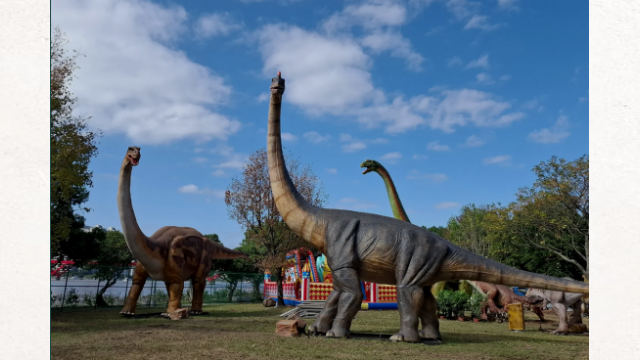
Animatronic dinosaurs bring prehistoric creatures to life through carefully designed movements, detailed appearances, and immersive sound effects. While realistic skin textures and synchronized motions help create a convincing visual experience, sound adds another dimension that can make an attraction feel more dynamic and engaging.
From powerful roars in dinosaur theme parks to subtle growls in museum exhibits, audio effects influence how visitors perceive and respond to animatronic displays. Incorporating Realistic Dinosaur Sounds into a well-designed attraction can strengthen its atmosphere, support storytelling, and make interactions with prehistoric models more memorable.
1. Create a More Immersive Prehistoric Environment
Sound plays an important role in establishing the atmosphere of a dinosaur attraction. A moving dinosaur may look impressive on its own, but carefully coordinated audio can make the surrounding environment feel more alive.
Imagine visitors walking along a forest-themed dinosaur trail when they hear distant roars, rustling vegetation, and the growls of a nearby animatronic predator. These sounds create anticipation and encourage visitors to pay closer attention to the scenery.
When combined with appropriate lighting, landscaping, and movement, sound effects can help transform an ordinary display area into a more immersive prehistoric setting.
2. Make Animatronic Movements More Convincing
Synchronization is one of the most important elements of an effective animatronic experience. Sounds should correspond naturally with the dinosaur’s movements rather than playing randomly in the background.
For example, a T. rex opening its jaws can roar at the same moment, while a smaller dinosaur might produce a brief call as it turns its head. Simulated breathing sounds can also complement subtle body movements, helping the model appear more lifelike.
Poor synchronization can make even a detailed dinosaur seem artificial. Park operators should therefore evaluate the timing between audio playback, mechanical movements, and programmed sequences before opening an attraction to visitors.
3. Build Excitement Around Iconic Dinosaur Species
Different dinosaur species have distinct physical characteristics, and their sound effects can help reinforce those visual differences. Although scientists cannot determine the exact sounds made by extinct dinosaurs, creative audio designers can develop interpretations based on scientific evidence, modern animal vocalizations, and imaginative sound production.
Tyrannosaurus Rex
A T. rex attraction often benefits from deep, powerful vocal effects that communicate its size and strength. Layered growls, low-frequency rumbling, and dramatic roars can contribute to an intimidating atmosphere.
Spinosaurus
A Spinosaurus display can use distinctive growls and resonant calls to complement its elongated snout, prominent sail, and imposing silhouette. These effects can help the attraction establish its own identity rather than sounding identical to every other predator display.
Herbivorous Dinosaurs
Herbivorous dinosaurs can feature softer calls, grunts, or breath-like effects. These sounds may be especially effective in family attractions and educational environments where the goal is to present a broader prehistoric ecosystem.
The important consideration is consistency. Each species should have an audio style that complements its appearance and the story the attraction aims to tell.
4. Increase Visitor Engagement and Emotional Impact
Sound can influence how visitors feel during an attraction. A sudden roar may create excitement, while quiet ambient effects can build curiosity and anticipation.
These changes in atmosphere help prevent a dinosaur display from feeling static. Visitors may pause to watch a moving model, search for the source of a sound, or anticipate what the dinosaur will do next.
For family-oriented attractions, a balanced sound design can appeal to children and adults alike. However, intense audio should be used thoughtfully, particularly in spaces designed for younger children or visitors who may be sensitive to loud noises.
5. Support Educational Storytelling
Animatronic dinosaurs are often used in museums, science centers, educational parks, and school exhibitions. Sound effects can help educators explain animal behavior, habitat relationships, and the differences between prehistoric species.
For example, a guided presentation might introduce a dinosaur’s anatomy before demonstrating how its movements are coordinated with an interpretive sound sequence. Audio cues can also mark transitions between exhibits, helping visitors follow a planned educational route.
Because the actual vocalizations of most dinosaurs remain unknown, educational displays should distinguish scientifically supported information from creative interpretation. This approach allows attractions to remain entertaining without presenting imagined sounds as established scientific facts.
6. Combine Dinosaur Audio With Environmental Effects
Dinosaur vocalizations are only one part of a complete soundscape. Background audio can make the environment feel more connected and convincing.
Useful environmental effects may include:
- Wind moving through prehistoric vegetation
- Footsteps or heavy movement sounds
- Water flowing through a simulated swamp
- Rustling leaves and branches
- Distant animal calls
- Subtle atmospheric rumbling
These sounds should complement the main attraction instead of competing with it. A layered soundscape can create depth, especially along walking trails or in large themed environments.
Volume, timing, and speaker placement all affect the final result. Background sounds should remain subtle enough that visitors can hear the main dinosaur effects and any educational narration.
7. Improve Interactive Attractions With Triggered Audio
Interactive technology can make dinosaur experiences more responsive to visitor behavior. Depending on the control system, sensors or programmed triggers can activate sounds when someone approaches a display or enters a designated area.
A dinosaur might turn its head and produce a growl when visitors arrive, creating the impression that it has noticed them. Another model might respond with a short roar during a scheduled sequence.
Triggered audio can be particularly effective in family attractions because it gives visitors a reason to stop and observe the model. However, the system should be designed to prevent repetitive sounds, overlapping sequences, and unnecessary noise when crowds gather.
Operators should also ensure that sensor placement and activation settings suit the size and traffic patterns of the installation area.
8. Choose the Right Sound System for the Venue
The quality of an audio experience depends on more than the sound file itself. Speakers, amplifiers, control systems, and acoustic conditions all influence how visitors hear the effects.
Outdoor Dinosaur Parks
Outdoor environments can disperse sound quickly, especially in open spaces. Speakers may need to be positioned strategically so that visitors near the attraction can hear the effects without creating excessive noise for neighboring exhibits.
Weather protection is another consideration. Audio equipment installed outdoors should be suitable for the expected environmental conditions and maintained according to the manufacturer’s instructions.
Indoor Museums and Exhibitions
Indoor spaces often require more controlled sound levels. Reflections from walls and ceilings can make audio unclear, particularly when several displays operate simultaneously.
Directional speakers, carefully adjusted volume levels, and separated audio zones can help visitors focus on individual exhibits. These measures are especially useful in museums where sound effects must coexist with spoken presentations.
9. Maintain Consistent Audio Quality
Regular maintenance helps ensure that dinosaur sound effects remain clear and reliable. Loose connections, damaged speakers, software issues, or environmental exposure can affect performance over time.
A practical maintenance routine should include checking speaker output, inspecting cables and connectors, testing control sequences, and confirming synchronization between audio and movement. Outdoor systems may require additional inspections for moisture and weather-related wear.
Operators should also keep backup copies of approved sound files and system configurations where appropriate. Having a clear troubleshooting process can reduce downtime and help the attraction maintain a consistent visitor experience.
10. Balance Realism, Volume, and Visitor Comfort
Loud sounds can attract attention, but excessive volume may reduce visitor comfort and interfere with nearby activities. Effective sound design focuses on clarity, timing, and suitability for the environment rather than maximum loudness.
Consider the expected audience, the distance between visitors and speakers, and the proximity of other attractions. Provide quieter areas where practical, and make sure sound effects do not interfere with emergency announcements or essential staff communication.
Scheduled sound sequences may also be preferable in locations where continuous roaring would become disruptive. By balancing dramatic effects with quieter intervals, operators can maintain interest without overwhelming visitors.
11. Select a Supplier That Understands Audio Integration
When purchasing an animatronic dinosaur, ask the manufacturer how sound is integrated with the mechanical and electronic systems. Some models may include built-in audio, while others may require separate speakers or external sound equipment.
Request demonstrations of the actual operating sequence and confirm whether sound timing, volume, and playback settings can be adjusted. It is also useful to ask about compatibility with sensors, centralized controllers, and other attraction systems.
Clear technical documentation and reliable after-sales support can make installation, troubleshooting, and future upgrades easier. Selecting compatible equipment from the beginning helps avoid unnecessary complexity later.
Conclusion
Realistic dinosaur sounds contribute significantly to the atmosphere, engagement, and storytelling potential of animatronic dinosaur attractions. When carefully coordinated with movement, visual design, and environmental effects, audio can make prehistoric displays more dynamic and memorable.
The most effective sound design combines appropriate species-inspired effects, reliable equipment, thoughtful synchronization, and comfortable volume levels. By investing in a balanced audio experience, theme parks, museums, and family attractions can create immersive environments that entertain visitors while supporting meaningful educational experiences.