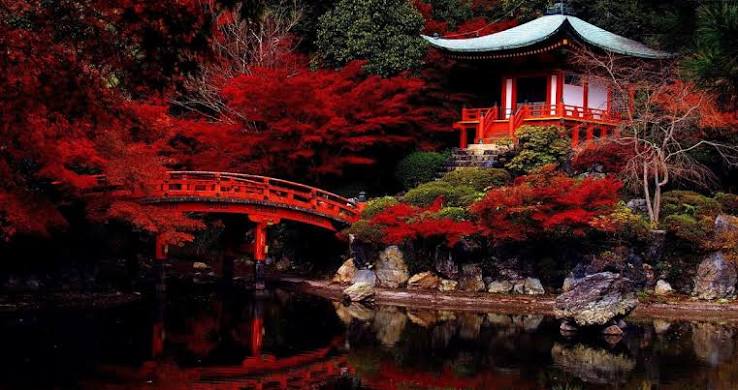
Japan can offer memorable travel experiences for different budgets, from comfortable city vacations and premium dining to affordable sightseeing, casual meals, and convenient transportation. Although some attractions and accommodation can be expensive during peak seasons, travelers can manage costs by planning carefully, choosing suitable destinations, and making practical decisions before departure.
Visitors planning a ทัวร์ญี่ปุ่น on a budget should consider accommodation, transportation, meals, shopping, attraction fees, and seasonal demand. A well-organized itinerary can help reduce unnecessary expenses while still allowing travelers to enjoy the country’s culture, scenery, food, and famous landmarks.
Choose Travel Dates Carefully
Travel timing can influence accommodation prices, transportation costs, and crowd levels. Popular periods such as cherry blossom season, autumn foliage, major holidays, and certain festival dates may involve higher demand.
Travelers with flexible schedules may consider visiting during less busy periods. Comparing several possible departure dates can help identify more affordable options. It is also useful to consider weather conditions and seasonal attractions when choosing travel dates.
Compare Accommodation Options
Accommodation is one of the major expenses of a trip. Travelers can compare hotels, business hotels, guesthouses, and other accommodation options according to location, comfort, facilities, and budget.
Staying near convenient transportation connections may help reduce travel time and additional transportation costs. However, accommodation outside central districts may offer lower prices. Travelers should compare the total cost, including transport to attractions, before choosing a location.
Use Public Transportation
Japan’s public transportation network provides many convenient options for travelers. Local trains, subways, and buses can help visitors move around cities without relying on taxis.
Travelers should compare transportation options according to their itinerary. Some routes may benefit from regional travel passes or other ticket arrangements, while others are more economical with individual tickets or supported transportation cards. Checking current fares and eligibility is important before purchasing passes.
Enjoy Affordable Dining
Japanese food can be enjoyed at different price levels. Casual restaurants, noodle shops, local eateries, food markets, and selected convenience stores provide options for travelers looking to manage meal expenses.
Visitors can explore regional specialties without choosing expensive restaurants for every meal. Sampling smaller dishes, enjoying casual lunches, and selecting local eateries can help balance food costs while still experiencing Japanese cuisine.
Prioritize Free and Low-Cost Attractions
Japan offers many attractions that can be enjoyed without high entrance fees. Travelers may explore public parks, shopping streets, historic neighborhoods, scenic viewpoints, selected temples, waterfront areas, and cultural districts.
A sightseeing itinerary that combines free attractions with a few paid experiences can help manage expenses. Visitors should research entrance fees and opening arrangements before traveling.
Plan Shopping Expenses
Shopping can become a significant part of a vacation budget. Japan offers fashion, electronics, cosmetics, souvenirs, crafts, snacks, and specialty products that may tempt travelers to make numerous purchases.
Setting a shopping budget before departure helps prevent overspending. Travelers should compare prices, check product specifications, and leave enough luggage space for purchases. Buying meaningful souvenirs rather than large quantities of items can also make shopping more manageable.
Avoid Unnecessary Transportation
Planning attractions by neighborhood can reduce transportation expenses and save time. Instead of traveling across the city several times a day, visitors can group nearby locations together.
Walking between nearby attractions may provide additional sightseeing opportunities. However, travelers should consider distances, weather, and personal comfort before deciding to walk extensively.
Prepare for Everyday Expenses
Small purchases can add up during a vacation. Drinks, snacks, convenience items, transportation, and unexpected costs should be included in the travel budget.
Travelers may want to keep a daily spending record or use a budgeting application. Having a contingency amount available can help cover unexpected expenses without disrupting the itinerary.
Consider Package Inclusions
Tour packages may provide accommodation, transportation, sightseeing, meals, and other services. Comparing the total value of packages with independent travel costs can help determine which option is more suitable.
Travelers should review inclusions and exclusions carefully. Additional expenses may involve optional excursions, personal shopping, meals, or activities not covered by the package.
Conclusion
Budget-friendly travel in Japan is possible with thoughtful planning and practical spending decisions. Choosing travel dates carefully, comparing accommodation, using public transportation, enjoying casual dining, prioritizing low-cost attractions, and managing shopping expenses can help reduce costs. A balanced budget allows travelers to experience Japan’s culture, scenery, and attractions without unnecessary financial pressure.