


Beyond the Golden Mile: The Definitive 12-Hour Guide to Durban
As a South African coastal city that often plays second fiddle to Cape Town’s glamour or Johannesburg’s industrial grit, Durban is a destination that rewards the curious. For those operating on a tight itinerary, perhaps a layover or a brief business excursion, the city’s subtropical rhythm and blend of colonial, Zulu, and Indian heritage can be distilled into a remarkably vibrant 12-hour window. And who knows, perhaps a brief moment in KwaZulu-Natal might just inspire you to book a tailor-made luxury safari in the near future.
Here is how to navigate the “Warmest Place to Be” with the precision of an insider.
Morning: Golden Mile and Botanical Bliss
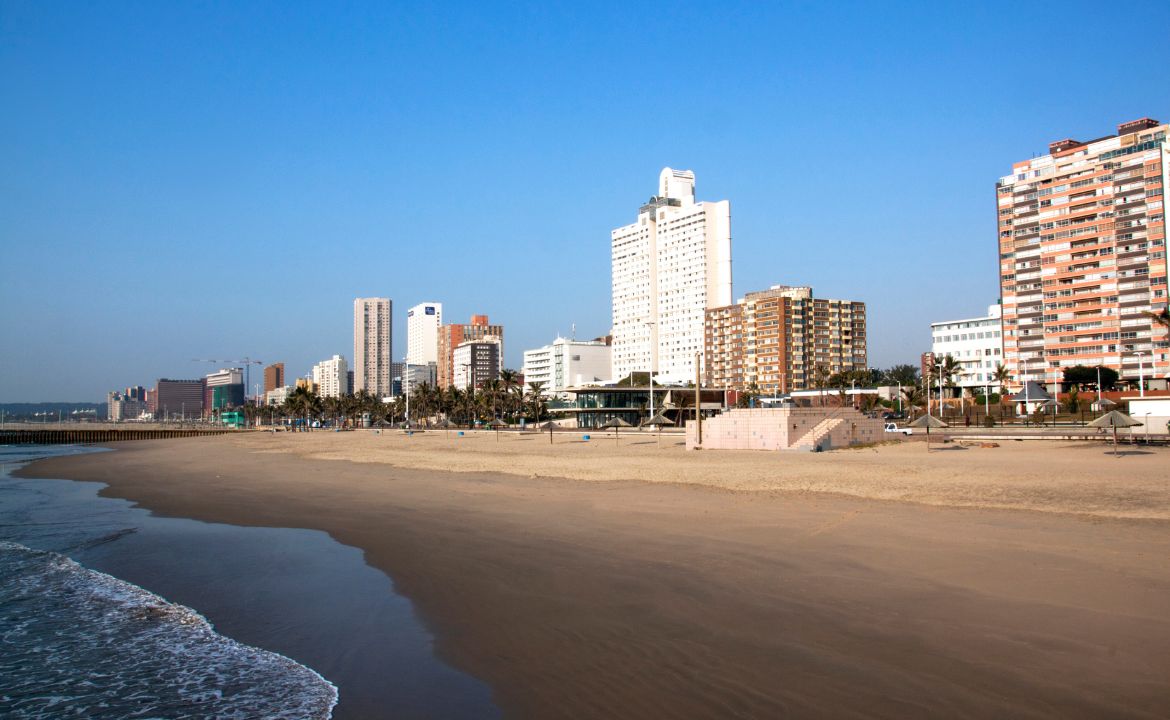
The best way to experience Durban’s relationship with the Indian Ocean is to join the locals on the Golden Mile. This four-mile promenade is the city’s living room. By 7:00 AM, it is already teeming with surfers, joggers, and rickshaw pullers preparing for the day.
Start at Circus Circus Beach Café on North Beach. In the spirit of the city’s laid-back atmosphere, grab a classic breakfast with a view of the surf. If you are feeling particularly energetic, rent a bicycle nearby to traverse the promenade down toward the harbor mouth.
From the coast, head inland to the Durban Botanic Gardens, established in 1849. As Africa’s oldest surviving botanical garden, it offers a serene juxtaposition to the city’s humidity. It is home to a world-famous collection of cycads—prehistoric plants that have survived since the era of the dinosaurs. A stroll through the Orchid House provides a quiet, fragrant interlude before the city’s sensory volume begins to turn up.
Midday: A Culinary Rite of Passage
Durban is home to the largest Indian population outside of India, a heritage that has fundamentally shaped the local palate. No visit is complete without sampling the city’s signature export: the Bunny Chow. This dish, a hollowed-out loaf of white bread filled with spicy curry, is more than a meal; it is a cultural landmark.
For an authentic experience, head to Govinda’s Pure Vegetarian Restaurant near the Sri Sri Radhanath Temple of Understanding. The temple itself is an architectural marvel of marble and gold leaf, while the restaurant serves unfussy, deeply flavorful curries. Alternatively, explore the Victoria Street Market, where the scent of “Mother-in-Law Exterminator” spice blends fills the air. Here, you can find hand-carved Zulu curios and intricate beadwork alongside massive sacks of turmeric and cumin.
Afternoon: Architecture and Estuaries
Post-lunch, a visit to the Moses Mabhida Stadium is essential. Built for the 2010 FIFA World Cup, its iconic arch defines the skyline. For those without a fear of heights, the SkyCar takes visitors to the top of the 106-meter arch for a 360-degree view of the coastline and the city’s grid.
As the afternoon heat peaks, retreat to the Beachwood Mangroves Nature Reserve. Located just north of the city center, this 76-hectare sanctuary is a vital ecosystem. Walking along the wooden boardwalks, you can spot kingfishers and the rare Black-headed chameleon. It is a reminder that even in a bustling port city, the wild remains within arm’s reach.
Evening: The Sophisticated Shore
As the sun begins to set, head 20 minutes north to Umhlanga Rocks. While Durban proper is gritty and authentic, Umhlanga is its polished, upscale sibling. Walk the Whalebone Pier, voted one of the most beautiful piers in the world, and watch the iconic red-and-white Umhlanga Lighthouse begin its nightly vigil. Conclude your 12 hours at a trendy bistro in the Village, representing the modern face of Durban: sophisticated, diverse, and unpretentious.
The Verdict
Durban is a city that defies simple categorization. It is a place where Victorian colonial architecture sits in the shadow of a world-class stadium, and where the scent of sea salt mingles with the pungent aroma of cardamom and cloves. While 12 hours can only offer a glimpse into the complexities of this coastal hub, it is enough to understand why locals harbor such a fierce pride for their home. By the time you watch the moon rise over the Indian Ocean from the shores of Umhlanga, the city’s rhythmic pulse. A unique blend of Zulu tradition and modern metropolitan ambition that will likely stay with you. Durban does not demand your affection with the practiced polish of other global destinations; instead, it earns it through raw authenticity and a warmth that extends far beyond its subtropical climate.
The Editorial News Travel Essentials
- Dialect & Language: While English is the primary language, you will hear a mix of Zulu and Afrikaans. “Lekker” (great) and “Just now” (anytime soon) are essential localisms.
- Logistics: Uber is highly reliable and the safest way for international travelers to hop between the Beachfront and Umhlanga.
- Climate: Pack for humidity. Even in winter (June–August), temperatures rarely drop below 20°C during the day.