

Choosing the Right Gummy Candy Production Line for Your Factory
The global confectionery market has experienced substantial growth, and gummy candies are among the most popular products due to their unique textures, flavors, and visual appeal. For manufacturers, selecting the right gummy candy production line is crucial to meet demand, maintain quality, and optimize operational efficiency. The choice of equipment affects not only production capacity but also the ability to innovate with new shapes, flavors, and formulations. Understanding the key factors involved in choosing the appropriate production line is essential for any factory planning to enter or expand in the gummy candy market.
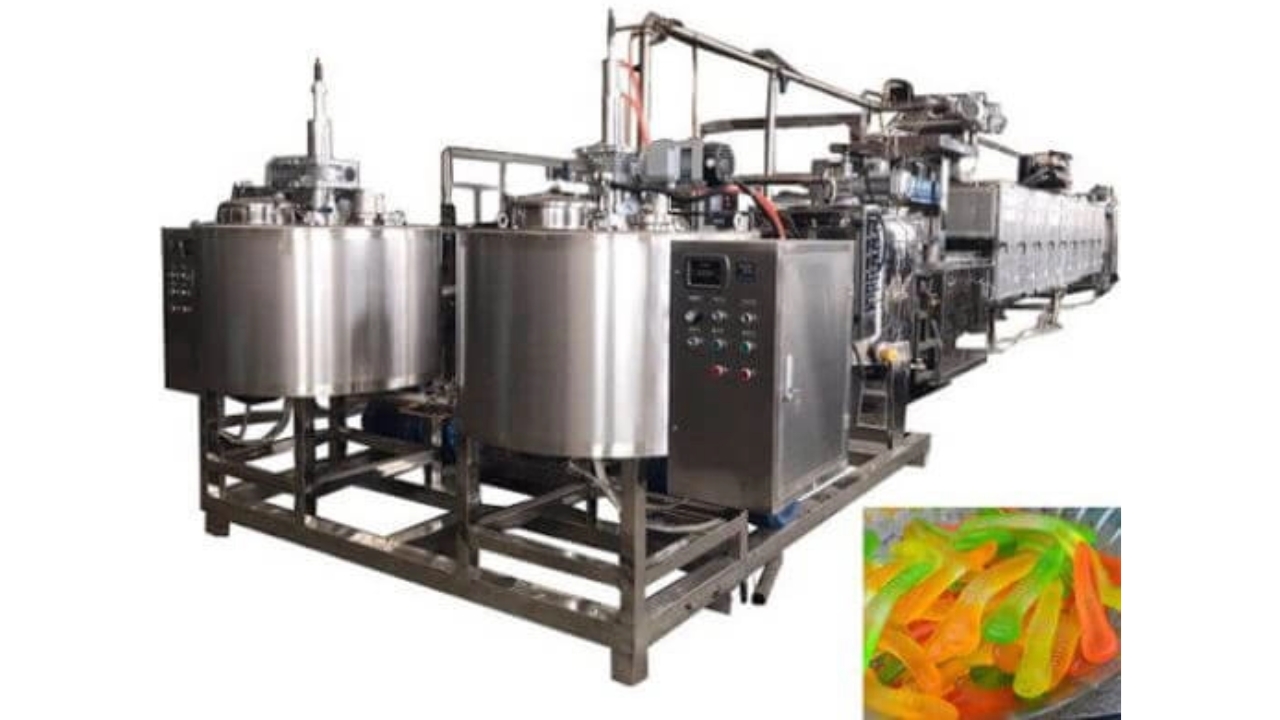
Investing in a modern Gummy Candy Production Line can significantly improve production efficiency and product consistency. These lines integrate automated mixing, cooking, depositing, molding, cooling, coating, and packaging processes. By carefully selecting equipment tailored to the specific needs of your factory, you can streamline operations, reduce labor requirements, minimize waste, and ensure consistent quality for every batch of gummy candies.
Assessing Your Production Requirements
Before choosing a gummy candy production line, it is essential to evaluate your factory’s production needs. Consider the expected output volume, the types of gummy products you plan to produce, and the complexity of formulations. Some factories may focus on standard gummy shapes like bears and fruits, while others may require the capability to produce layered, filled, or functional gummies such as vitamin-infused candies.
Understanding production requirements helps identify machinery with the appropriate capacity, flexibility, and automation features. For instance, a factory producing high volumes of standard gummies may prioritize speed and throughput, whereas a facility focusing on specialty or seasonal products may value versatility and precise depositing capabilities.
Evaluating Automation and Control Features
Modern gummy candy production lines offer varying levels of automation. Fully automated systems manage multiple stages of production with minimal human intervention, while semi-automated lines may require manual oversight for certain processes. Automated systems typically include programmable logic controllers (PLCs) and human-machine interfaces (HMIs) to monitor and adjust production parameters such as temperature, viscosity, cooking time, and mold filling volumes.
Investing in automated equipment improves consistency, reduces human error, and increases output. Additionally, smart control systems allow real-time monitoring and data collection, enabling predictive maintenance and quality assurance. Factories should assess their level of comfort and expertise with automation and consider training requirements for staff when selecting a production line.
Capacity and Scalability
Capacity is a critical factor when choosing a gummy candy production line. Consider the expected volume of production both currently and in the near future. Selecting a line that can handle projected growth ensures your factory can meet increasing demand without requiring immediate upgrades.
Scalable equipment with modular designs allows manufacturers to expand production capacity or add new product lines with minimal disruption. This flexibility is particularly valuable for companies looking to diversify their product range or enter new markets. Evaluating a production line’s scalability helps future-proof your investment and ensures long-term operational efficiency.
Quality Control Integration
Maintaining consistent product quality is essential in the competitive confectionery market. Modern gummy candy production lines often feature integrated quality control (QC) systems that monitor critical parameters such as weight, shape, color, texture, and pH levels.
QC systems can detect deviations in real time and automatically adjust processes to maintain uniformity. Factories should prioritize lines that provide integrated QC capabilities, as this reduces defective batches, minimizes waste, and ensures compliance with food safety regulations. Reliable quality control not only protects your brand reputation but also enhances customer satisfaction.
Consideration of Energy Efficiency and Maintenance
Energy efficiency is an important factor in selecting production equipment. Machines with optimized heating, cooling, and motor systems consume less power, reducing operational costs. Additionally, energy-efficient designs contribute to sustainability initiatives, which are increasingly important to consumers and regulatory bodies.
Maintenance requirements are another key consideration. Choose a production line with easily accessible components and reliable support services. Regular maintenance is essential for minimizing downtime, extending equipment lifespan, and ensuring consistent product quality. Factories should also consider the availability of spare parts and technical assistance when making a purchase decision.
Evaluating Supplier Reputation and Support
Selecting a reputable supplier is critical when investing in a gummy candy production line. A reliable manufacturer provides high-quality equipment, installation support, training, and ongoing technical assistance. Supplier reputation, years of experience, and customer reviews are valuable indicators of the reliability and performance of the equipment.
Additionally, a trusted supplier can offer customization options to meet specific factory requirements, whether it’s capacity, automation level, or the ability to produce specialized gummy products. Strong supplier support ensures that your production line operates efficiently and consistently over time.
Conclusion
Choosing the right Gummy Candy Production Line requires careful evaluation of production needs, automation capabilities, capacity, quality control features, energy efficiency, and supplier reliability. Investing in the right equipment ensures that your factory can produce high-quality gummies consistently, increase operational efficiency, and remain competitive in a growing market. By selecting machinery that meets current requirements while allowing for future scalability, manufacturers can successfully meet consumer demand and maintain a strong position in the confectionery industry.