


Common Signs Your pH Sensor for Water Needs Replacement
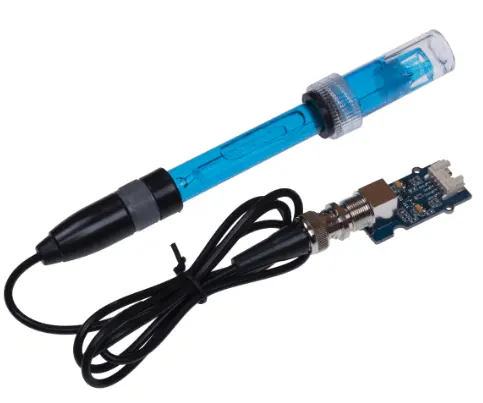
A pH sensor for water is an essential tool for maintaining accurate water quality measurements in applications ranging from municipal water treatment and industrial processes to aquaculture and environmental monitoring. Ensuring that your sensor functions correctly is critical for reliable data, safe operations, and efficient chemical management. Like any precision instrument, pH sensors have a finite lifespan and require timely replacement to maintain optimal performance.
Over time, pH sensors can experience wear and degradation due to prolonged exposure to water, chemicals, and varying temperatures. Regular maintenance, calibration, and inspection are essential to detect early signs of malfunction. Recognizing these indicators can prevent inaccurate measurements, equipment damage, and potential safety hazards in water management systems.
A pH Sensor for Water may require replacement when it consistently produces erratic readings or fails to calibrate properly. These issues often signal that the electrode or internal components are worn out. Modern sensors are designed to provide reliable readings, but physical and chemical stressors eventually degrade performance, making proactive replacement a necessity for continued accuracy.
Erratic or Unstable Readings
One of the first signs that a pH sensor may need replacement is erratic or unstable readings. If the sensor shows sudden fluctuations in pH values without any apparent changes in the water source, it may indicate electrode wear, contamination, or a failing reference system. Inconsistent readings compromise water treatment decisions and chemical dosing accuracy, which can lead to costly errors or environmental compliance issues.
Difficulty Calibrating the Sensor
Calibration is critical for accurate pH measurement. If a sensor struggles to maintain calibration or drifts rapidly after calibration, this is a clear indication of sensor deterioration. Calibration failures can result from damaged glass membranes, fouled electrodes, or aging reference electrodes. Attempting repeated calibrations may offer temporary fixes, but consistent problems usually signal that replacement is the most reliable solution.
Physical Damage or Wear
Visual inspection can reveal other reasons for replacement. Cracks, chips, or scratches on the glass electrode reduce accuracy and increase the risk of sensor failure. Additionally, buildup of mineral deposits, scale, or biofilm on the electrode can impair response time and accuracy, even after cleaning. In such cases, replacement is often more practical than continued attempts at repair, especially for sensors in critical monitoring applications.
Slower Response Times
A noticeable delay in pH response is another warning sign. A sensor that takes longer to stabilize after immersion in water indicates aging or fouling of the electrode. Slow response times affect real-time monitoring, making it difficult to react quickly to pH changes in water treatment, aquaculture, or industrial processes. Sensors exhibiting delayed responses should be evaluated and replaced if necessary to maintain accurate water management.
Corrosion or Chemical Damage
Exposure to harsh chemicals or extreme water conditions can accelerate sensor degradation. Signs of chemical damage include discoloration, pitting, or erosion of the sensor surface. Corrosion affects both the glass electrode and the reference system, leading to inaccurate readings. In chemical-intensive environments, regular inspection and timely replacement are essential to avoid compromised water quality data.
Extended Use Beyond Manufacturer’s Lifespan
Even if a sensor appears to function correctly, using it beyond the recommended lifespan can result in gradual inaccuracy. Manufacturers typically provide guidelines for sensor lifetime based on typical usage and water conditions. Adhering to these recommendations ensures that water quality measurements remain reliable and minimizes unexpected sensor failure.
Benefits of Timely Replacement
Replacing a worn pH sensor promptly ensures accurate, reliable, and consistent water measurements. It reduces the risk of incorrect chemical dosing, protects equipment from potential damage due to unbalanced water chemistry, and helps maintain regulatory compliance. Timely replacement also reduces downtime associated with troubleshooting faulty sensors, allowing for efficient operation in water-dependent processes.
Conclusion
Monitoring the performance of a pH sensor for water is essential for accurate and reliable water quality measurement. Common signs such as erratic readings, calibration difficulties, physical damage, slow response times, chemical corrosion, or extended use indicate the need for replacement. Proactively addressing these issues ensures continued accuracy, protects equipment, and supports safe and efficient water management across industrial, municipal, and environmental applications. Regular maintenance and timely replacement of sensors are critical steps in sustaining optimal water quality monitoring practices.