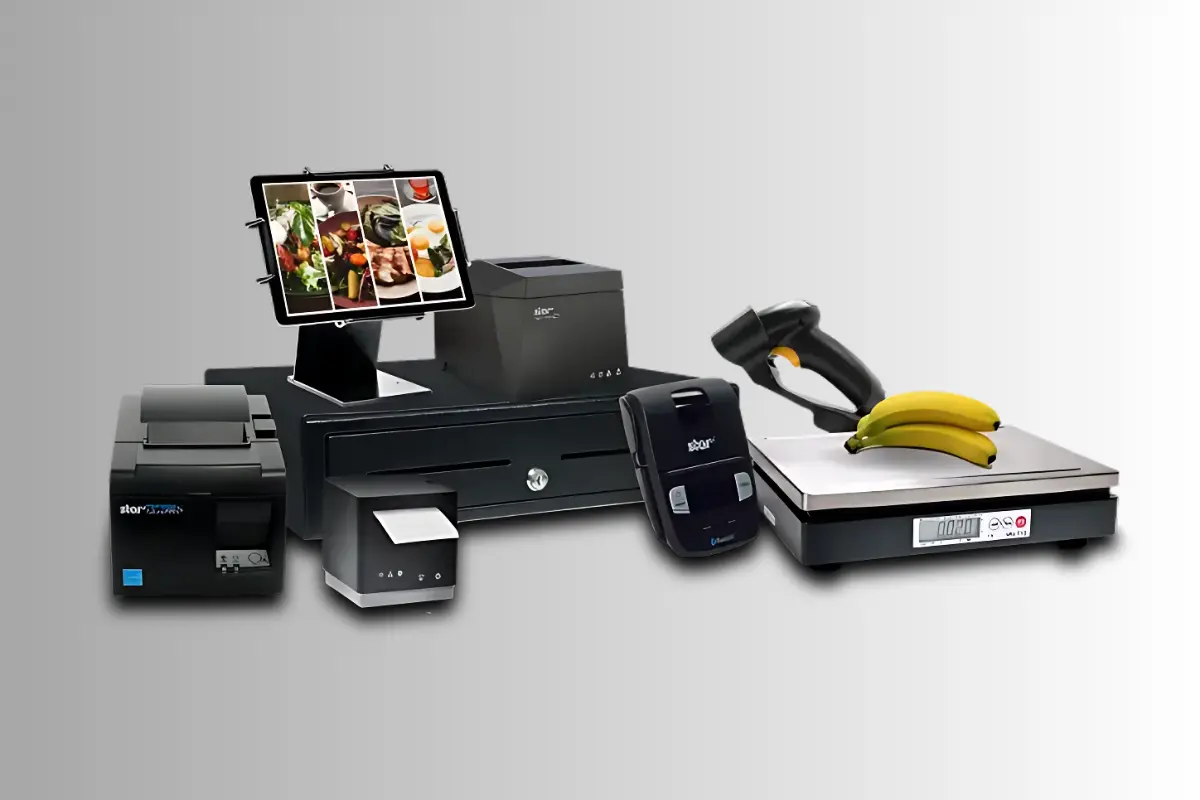


Desktop POS Machines for Multi-Location Businesses
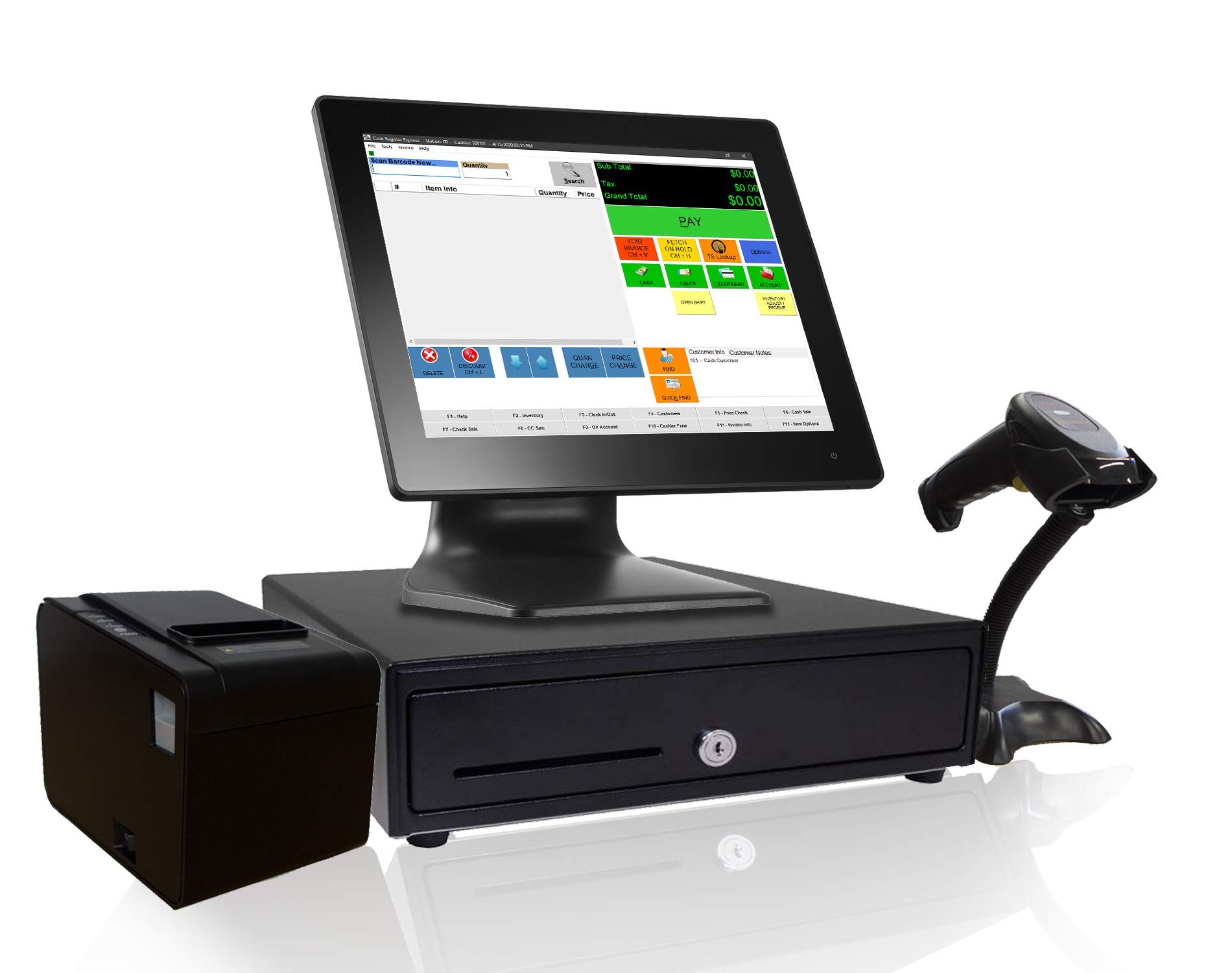
Managing a multi-location business comes with unique challenges, including inventory coordination, sales tracking, and maintaining a consistent customer experience across all outlets. A Desktop POS Machine can serve as a central hub for managing operations, providing businesses with the tools needed to streamline workflows and maintain efficiency across multiple sites. With advanced hardware and software capabilities, these systems allow businesses to consolidate data, monitor performance, and simplify operations across locations.
Centralized Management and Real-Time Data
A key advantage of using a desktop POS machine for multi-location businesses is the ability to centralize management and access real-time data. With a reliable Desktop POS Machine, business owners can monitor sales, inventory levels, and customer interactions from all locations through a single platform. This centralized system eliminates the need for manual data collection and reduces discrepancies that may arise when managing multiple outlets independently. Real-time data ensures that decision-making is accurate and timely, supporting operational efficiency and profitability.
Inventory Synchronization Across Locations
Maintaining accurate inventory records across multiple locations can be challenging. A desktop POS machine with integrated inventory management allows businesses to track stock levels in real time, update product availability, and manage restocking automatically. This prevents overstocking or stockouts at individual locations and ensures that inventory is balanced according to demand. Centralized inventory management also enables businesses to redistribute products between stores efficiently, reducing losses and improving sales opportunities.
Multi-Terminal and Multi-Store Support
For businesses operating in multiple locations, desktop POS machines often support multiple terminals at each site. This capability allows each outlet to operate independently while still connecting to a central database. Managers can monitor transactions at each terminal, track employee performance, and analyze sales trends without leaving the office. Multi-store support ensures consistency across locations, enabling businesses to implement uniform pricing, promotions, and loyalty programs. This flexibility is particularly valuable for retail chains, restaurants, and service providers with high customer traffic.
Seamless Integration With Other Systems
Integration capabilities are essential for multi-location businesses. Desktop POS machines can integrate with accounting software, customer relationship management (CRM) platforms, e-commerce systems, and analytics tools. Integration ensures that sales, financial, and customer data are synchronized across all locations, reducing manual errors and providing a comprehensive overview of business performance. For example, consolidated sales reports can help identify which locations are performing best, while customer data can inform targeted marketing campaigns and loyalty initiatives.
Payment Processing Across Locations
Payment processing is another area where desktop POS machines offer significant benefits for multi-location businesses. These systems support a variety of payment methods, including credit and debit cards, mobile wallets, and contactless payments. Centralized management allows businesses to monitor payment processing across all outlets, ensuring consistency and security. Many desktop POS machines are PCI DSS compliant, providing secure transactions and protecting sensitive customer data across multiple locations. This helps build customer trust and ensures compliance with industry standards.
Reporting and Analytics
Desktop POS machines provide detailed reporting and analytics capabilities that are particularly valuable for businesses with multiple locations. Reports can include sales performance, inventory turnover, employee productivity, and customer purchasing behavior. These insights enable managers to make informed decisions about staffing, inventory distribution, promotions, and pricing strategies. Analytics can also identify trends, allowing businesses to optimize operations and maximize revenue across all locations. Real-time dashboards provide an accessible overview, enabling managers to respond quickly to operational challenges.
Scalability for Growing Businesses
Scalability is critical for businesses planning to expand into new locations. Desktop POS machines are designed to accommodate additional terminals, stores, or users without disrupting existing operations. This ensures that as a business grows, its POS system can adapt to increased transaction volumes, additional inventory, and expanded staff management requirements. Scalability also minimizes the need for costly replacements or upgrades, providing a long-term solution for multi-location operations.
Training and Support
Training staff and maintaining consistent operational procedures across multiple locations is essential for efficiency. Desktop POS machine suppliers often provide training resources, user manuals, and ongoing support to ensure employees can operate the system effectively. Centralized training and consistent system interfaces help reduce errors and improve productivity. Additionally, professional support services can address technical issues promptly, minimizing downtime and maintaining smooth operations across all outlets.
Conclusion
Desktop POS machines offer multi-location businesses a powerful solution for managing operations efficiently and effectively. By centralizing management, synchronizing inventory, supporting multi-terminal setups, integrating with other business systems, and providing advanced reporting and analytics, these systems streamline workflows and enhance operational oversight. Payment processing, scalability, and training support further ensure that businesses can maintain consistency, security, and growth potential across all locations. Investing in a reliable desktop POS machine allows multi-location businesses to optimize performance, enhance customer satisfaction, and achieve long-term operational success.