


Essential Guide: What to Consider Before Experiencing a Thai Massage
If you’ve ever felt tension knotting your muscles after long hours at work or craved a holistic way to relax, a Thailand massage might be exactly what you need. Thai massage is an ancient healing art with roots over 2,500 years old, combining acupressure, stretching, and energy line work to revitalize both body and mind. Unlike typical spa treatments, Thai massage addresses not just muscle tension but also energy flow, making it a truly restorative experience. If you’re considering your first session, knowing what to expect can transform the experience from good to extraordinary.
Understanding Thai Massage
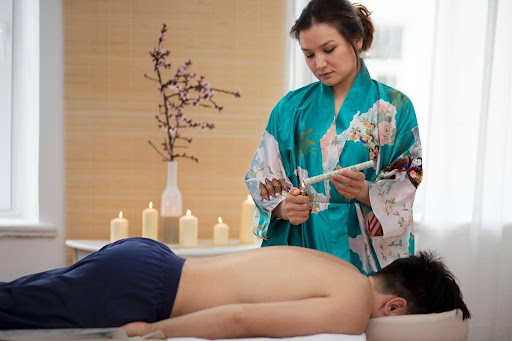
Thai massage is often referred to as “lazy yoga” because it blends traditional yoga-style stretching with therapeutic massage techniques. A certified therapist will guide your body through various stretches while applying firm, targeted pressure to release tension and improve circulation. Unlike Western-style massages, Thai massage is performed fully clothed, usually on a mat on the floor, without oils. The therapist may use hands, elbows, knees, and even feet to manipulate your muscles, ensuring every movement benefits both flexibility and energy flow.
The foundation of Thai massage lies in its focus on the body’s energy lines, known as Sen. By stimulating these lines, the massage helps restore balance, promote healing, and increase overall vitality. For first-timers, understanding this concept will help you relax and fully embrace the session rather than comparing it to conventional massages.
Preparing for Your First Thai Massage
Before your Thai massage session, it’s important to prepare your body so you can enjoy the full benefits of this ancient therapy. A few simple steps can make a big difference in how relaxed and comfortable you feel during the massage:
1. Stay Hydrated
Hydration is crucial before a Thai massage. Drinking water helps loosen your muscles and supports the body in flushing out toxins released during the massage. Aim for at least one or two glasses of water about an hour before your appointment.
2. Eat Light
Avoid heavy meals prior to your session. A light snack, such as fruit or yogurt, will ensure you are comfortable while your therapist works through stretches and pressure points.
3. Dress Comfortably
Loose, comfortable clothing is essential. Many spas provide lightweight garments, but wearing your own allows you to feel relaxed immediately. Avoid anything restrictive, like tight jeans or belts, that could interfere with movements.
4. Arrive Early
Arriving 10–15 minutes before your appointment gives you time to relax, fill out any necessary forms, and discuss specific pain points or areas of concern with your therapist. Many establishments offer tea or a light refreshment, adding to the calming pre-massage ritual.
5. Communicate Openly
Be honest with your therapist about injuries, sensitive areas, or medical conditions. Good communication ensures your session is both safe and effective. Remember, adjusting pressure or modifying stretches is normal, so speak up whenever needed.
6. Mute Your Devices
A Thai massage session is a chance to disconnect. Turn off or mute phones to maintain a serene environment, helping both you and other clients fully enjoy the experience.
What to Expect During the Massage
Once your session begins, your therapist will guide you through a combination of stretches, rhythmic rocking, and acupressure. It’s normal to feel sensations ranging from mild pressure to deep stretching. Here’s how to make the most of it:
- Relax and breathe deeply: This helps your muscles release tension and allows the therapist to work effectively.
- Communicate discomfort: If a stretch or pressure feels too intense, your therapist will adjust accordingly.
- Focus on mindfulness: Pay attention to how your body feels with each movement. This awareness can enhance relaxation and energy flow.
Traditional Thai massage techniques include:
- Palming and Thumb Pressure: Helps relieve tension in targeted muscles and stimulate energy lines.
- Passive Stretching: Improves flexibility and joint mobility without effort from the recipient.
- Compression and Rocking: Enhances circulation and relaxes stiff muscles.
- Joint Mobilization: Restores natural range of motion while easing chronic pain.
Post-Massage Care
The benefits of a Thai massage don’t end when the session does. To maximize results:
- Hydrate Again: Drinking water post-session aids toxin elimination and prevents soreness.
- Wait to Shower: Allow massage oils or natural body responses to settle for at least an hour before showering.
- Relax Your Body: Avoid strenuous activity immediately after to maintain the state of relaxation.
- Skip Stimulants: For a few hours, refrain from caffeine, alcohol, or very spicy food, which can counteract the calming effects of the massage.
Many spas, particularly in Thailand and wellness hubs worldwide, offer a post-massage ritual such as herbal tea or a light, nutrient-rich snack like mango sticky rice. These small touches complement the therapeutic benefits and provide a sensory completion to your experience.
Health Benefits of Thai Massage
Thai massage is more than a stress reliever. Regular sessions can:
- Reduce muscle stiffness and chronic pain.
- Improve posture and joint flexibility.
- Enhance blood circulation and energy levels.
- Promote relaxation and mental clarity.
- Support overall wellness by balancing body energy.
It’s a holistic approach, ideal for anyone seeking mental, physical, and emotional rejuvenation.
Choosing the Right Spa and Therapist
Selecting a trained and certified therapist is key. Look for spas with:
- Professional staff trained in authentic Thai techniques.
- Clean, calm, and comfortable environments.
- Positive reviews and a strong reputation.
- Personalized sessions tailored to individual needs.
First-timers may benefit from asking about session lengths, types of stretches included, and any optional post-massage treatments.
Common Myths About Thai Massage
- It’s Only for the Flexible: Thai massage is suitable for all levels of flexibility. Your therapist will adapt the stretches accordingly.
- It’s Painful: While deep stretches and pressure can feel intense, a skilled therapist adjusts to your comfort.
- It’s Just a Luxury Experience: Thai massage is a therapeutic practice with real health benefits, not just pampering.
Planning Your First Experience
Before booking your first Thai massage:
- Research reputable spas or wellness centers
- Schedule your session when you can fully relax afterward
- Consider any medical conditions and discuss them with your therapist
- Keep expectations realistic: some tightness or soreness post-session is normal as your body adjusts
Conclusion
Experiencing Thai massage is a journey that combines relaxation, healing, and rejuvenation. For those seeking the best Thai massage, Sweet Spa and Massage provides a calm and comfortable environment where skilled therapists guide each session with care.
By combining traditional Thai techniques with thoughtful spa practices, the experience helps release tension, improve flexibility, and restore energy. Whether it’s your first session or one of many, a well-conducted Thai massage can leave you feeling refreshed, balanced, and more in tune with your body and mind.