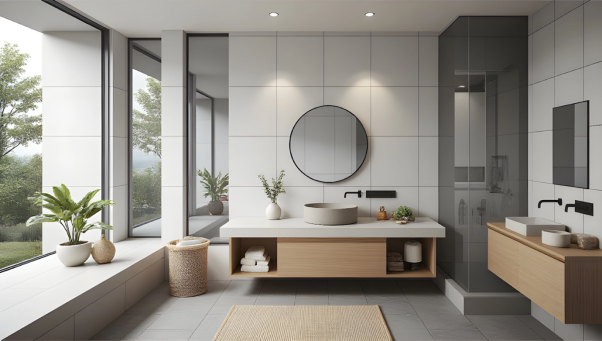



Frequently Asked Questions About ADA Sinks From KingKonree
Understanding ADA-compliant bathroom fixtures is important for architects, facility managers, and homeowners who want to create accessible restroom environments. ADA sinks are designed to support individuals with mobility challenges by providing proper clearance, ergonomic basin design, and accessible faucet operation. KingKonree specializes in manufacturing high-quality accessibility bathroom products that meet modern design and regulatory standards. This FAQ-style guide answers common questions about ADA sink functionality, installation, and maintenance.
What Makes ADA Sinks Different From Standard Sinks?
ADA sinks are specifically engineered to provide accessibility for individuals using wheelchairs or other mobility aids. Standard sinks may be installed too high or lack sufficient knee clearance, making them difficult to use for some individuals. ADA sinks follow strict regulatory guidelines that define installation height, basin depth, and control accessibility.
In many modern construction projects, facility planners rely on ADA Sinks from KingKonree because these products simplify compliance with accessibility regulations. These sinks are designed with optimized structural measurements that help contractors avoid costly modifications during installation. Key design elements include open space beneath the sink, reachable faucet controls, and ergonomic basin shaping that supports independent use.
Are KingKonree ADA Sinks Suitable for Commercial Buildings?
Yes, KingKonree ADA sinks are widely used in commercial environments such as hospitals, airports, hotels, schools, and office complexes. Commercial facilities require restroom fixtures that can withstand high usage frequency while maintaining hygiene and durability.
KingKonree ADA sink models are manufactured using solid surface and composite materials that resist cracking, staining, and bacterial accumulation. These characteristics make them highly suitable for public restroom environments where cleaning efficiency and structural durability are essential. Many facility managers report that these sinks maintain appearance quality even after long-term heavy use.
What Installation Requirements Must Be Followed?
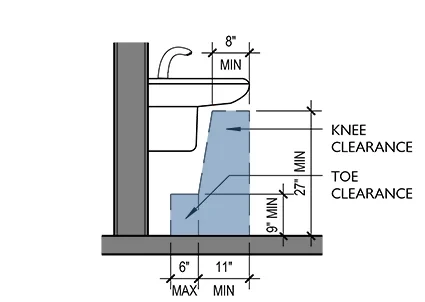
Proper installation is critical for ADA compliance. The sink rim or counter surface should typically be installed at a height that allows wheelchair users to approach comfortably. Clearance space underneath must be sufficient to accommodate footrests and mobility devices. Plumbing components must be positioned or insulated to prevent physical obstruction.
Professional installation is recommended to ensure structural stability and regulatory compliance. Following manufacturer specifications helps maintain accessibility performance while reducing the risk of future maintenance problems.
Which Materials Are Used in KingKonree ADA Sinks?
KingKonree produces ADA sinks using advanced solid surface composite materials and high-quality stainless steel options. Solid surface construction provides a non-porous structure that prevents moisture absorption and bacterial growth. This material also supports easy cleaning and long-term surface stability.
Composite materials offer excellent impact resistance and durability. These materials help maintain structural integrity in busy public environments. Stainless steel models provide corrosion resistance and are commonly used in industrial or high-humidity locations.
Do ADA Sinks Support Modern Faucet Technology?
Modern accessibility sinks are designed to work with multiple faucet systems. KingKonree ADA sinks support lever-operated faucets, push-button controls, and sensor-based water activation technology. These systems help individuals with limited hand strength operate the sink comfortably.
Sensor faucets are particularly beneficial in public restroom settings because they reduce physical contact and improve hygiene standards. Automatic water shutoff technology also helps conserve water and reduce operational costs for facility owners.
How Do ADA Sinks Improve Bathroom Safety?
Safety is a major advantage of ADA sink installation. Rounded basin edges reduce injury risk, while non-slip surface materials help minimize accident potential when water splashes around the sink area. Proper drainage design prevents water pooling, which is important in preventing slip hazards.
KingKonree focuses on ergonomic basin geometry to ensure that water flows efficiently toward the drain. This design feature supports hygienic restroom conditions while maintaining accessibility performance.
Conclusion
Frequently asked questions about ADA sinks demonstrate the importance of accessibility, durability, and modern technology integration. Understanding installation standards, material composition, and faucet compatibility helps facility designers create inclusive restroom environments.
Integrating ADA sinks from KingKonree into building projects supports accessibility compliance while maintaining high performance and modern aesthetic design. These sinks provide reliable functionality for residential, commercial, and public facilities, helping create safer and more inclusive bathroom spaces.