


How a pH Sensor Is Used in Industrial Cooling Systems
Maintaining proper water quality is critical for the efficiency and longevity of industrial cooling systems. Cooling towers and closed-loop systems rely on well-balanced water chemistry to prevent corrosion, scaling, and biological growth. Among the key water quality parameters, pH plays a vital role, influencing chemical treatments, equipment performance, and overall system reliability.
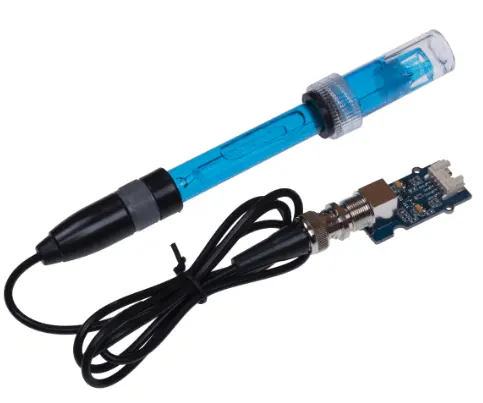
A reliable pH sensor is an essential tool in industrial cooling systems. It continuously monitors water acidity or alkalinity, providing real-time data to help operators maintain optimal conditions. Accurate pH measurement ensures that chemical treatments such as corrosion inhibitors, biocides, and scale preventatives are effective, protecting equipment and reducing maintenance costs.
Importance of pH in Cooling Systems
The pH of water in industrial cooling systems affects corrosion rates, scaling potential, and the effectiveness of chemical additives. Water that is too acidic can accelerate corrosion of metal components, including heat exchangers, pipes, and pumps. Conversely, water that is too alkaline may cause scale formation, reducing heat transfer efficiency and increasing energy consumption.
Monitoring pH allows operators to maintain water within the recommended range, typically between 7.0 and 9.0 depending on system design and materials. A pH sensor provides continuous oversight, ensuring that deviations are detected early and corrected promptly.
Continuous Monitoring and Automation
Industrial cooling systems often operate continuously, making regular manual testing impractical. Inline pH sensors deliver real-time measurements, allowing for automated control of chemical dosing systems. When pH deviates from the desired range, dosing pumps can adjust the addition of acid or base solutions to maintain balance.
This automation reduces the risk of human error, ensures consistent water quality, and optimizes chemical usage. It also minimizes downtime by preventing corrosion or scaling before they cause damage or operational interruptions.
Protecting Equipment and Reducing Maintenance
Improper pH levels are a primary cause of equipment deterioration in cooling systems. Corrosion can lead to leaks, reduced heat transfer efficiency, and unexpected shutdowns, while scaling can clog pipes, reduce flow rates, and increase energy costs.
By using a pH sensor to monitor water chemistry continuously, operators can prevent these issues. Timely adjustments to chemical treatment protect critical components, extend equipment lifespan, and lower maintenance and replacement costs.
Improving Chemical Efficiency
A pH sensor also helps optimize the use of chemical treatments in cooling systems. Maintaining the correct pH range ensures that biocides, corrosion inhibitors, and anti-scaling agents perform as intended. Overuse of chemicals can be costly and environmentally harmful, while underuse may fail to protect the system adequately.
Accurate sensor data allows for precise dosing, minimizing waste, improving treatment effectiveness, and supporting sustainable operations.
Data Logging and Analysis
Modern pH sensors can be integrated with data logging and control systems. Continuous data collection enables operators to analyze trends, identify patterns, and anticipate potential issues. Historical pH data helps optimize chemical dosing schedules, plan maintenance, and predict system behavior under different operating conditions.
Such insights contribute to smarter operational decisions, energy efficiency, and long-term system reliability.
Applications in Various Industrial Settings
Industrial cooling systems are used in manufacturing, power generation, chemical processing, and other sectors where heat removal is necessary. In each setting, maintaining proper pH is critical to system performance and safety. pH sensors are therefore an integral part of water treatment strategies, ensuring consistent protection across diverse industries.
For example, in power plants, pH monitoring prevents corrosion in condenser tubes. In chemical plants, it ensures the stability of cooling water, supporting safe and efficient operations.
Conclusion
A pH sensor is a crucial component in industrial cooling systems, providing accurate and continuous monitoring of water chemistry. By maintaining proper pH levels, operators can protect equipment from corrosion and scaling, optimize chemical usage, and ensure efficient system operation. Integration with automated control systems allows for real-time adjustments, reduces manual intervention, and supports sustainable and cost-effective water management. Reliable pH measurement ultimately enhances performance, longevity, and safety in industrial cooling applications.