



How an IPPBX System Improves Team Collaboration and Call Management
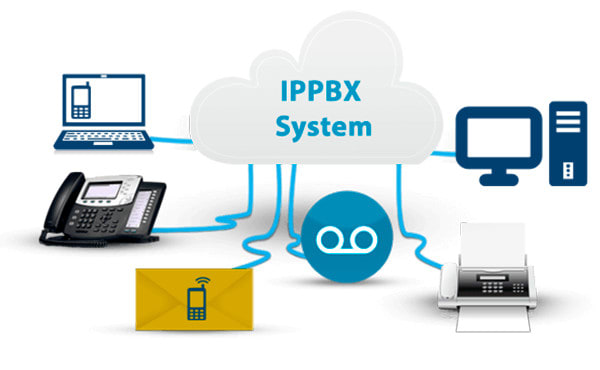 IPPBX System
You can usually tell when a team’s communication setup is holding them back. Calls get transferred three times before reaching the right person. Internal discussions spill over into WhatsApp. Managers rely on gut feeling instead of call data. I’ve seen this pattern repeat across startups and mid-sized support teams, especially during growth spurts. Everyone is working hard, but the system quietly works against them.
That’s where things start to change when teams switch to a more structured calling environment.
Collaboration Breaks Down Faster Than Most Teams Realize
In one client meeting, a CX head told me something that stuck.
“We don’t miss calls. We miss context.”
Agents answered phones, but they didn’t know who last spoke to the customer. Supervisors jumped into escalations without seeing past interactions. Sales and support worked in parallel, rarely together. The issue wasn’t people or effort. It was how calls moved inside the company.
The email had threads. Chat had history. Calls? Just noise that disappeared once disconnected.
How an IPPBX System Brings Order to Team Communication
An IPPBX system changes the way calls live inside an organization. Instead of treating every call as a one-off event, it turns conversations into shared, trackable touchpoints.
Calls stop being “someone picked up” moments and start becoming team-owned interactions.
Here’s what that looks like in real situations.
Everyone Knows Where a Call Belongs
One growing support team I worked with handled billing, onboarding, and technical issues on the same number. Agents did their best, but misrouted calls were common. Customers repeated themselves. Frustration built quickly.
Once the IPPBX system was set up with smart call routing and an IVR System, calls landed where they actually belonged. Billing questions went to billing. Tech issues reached trained agents. New customers felt guided, not bounced around.
The team didn’t suddenly become smarter. The system simply stopped putting them in awkward positions.
Internal Collaboration Feels Natural, Not Forced
Good collaboration isn’t about meetings. It’s about timing.
With an IPPBX setup, agents could loop in supervisors during live calls without putting customers on awkward holds. A quick whisper mode helped juniors confirm answers. Call transfers included context, not just ringing extensions.
Sales and support teams began sharing notes linked to calls. Follow-ups made sense. Handoffs stopped feeling rushed.
That quiet friction most teams accept as “normal”? It faded.
IVR System That Respects the Caller’s Time
Let’s be honest. IVRs get a bad reputation because most are poorly planned.
A well-thought-out IVR System does the opposite of annoying callers. It gives them control. Short options. Clear language. No endless loops.
I’ve seen teams reduce call handling time simply by fixing IVR flow. Customers reached the right agent faster. Agents started conversations already aligned with the problem.
When IVR is treated as part of the experience, not a barrier, everyone wins.
Remote and Hybrid Teams Stay Aligned
Remote work didn’t break call centers. Disconnected tools did.
An IPPBX environment keeps distributed teams working as one unit. Agents log in from anywhere. Managers monitor call quality without hovering. The team leads the coach based on real calls, not assumptions.
One startup scaled from 10 to 60 agents across three cities without changing their core calling setup. That consistency mattered more than they expected.
Call Management Becomes Measurable, Not Emotional
Before structured systems, most call reviews sound like this:
“I feel like we’re missing calls.”
“It seems customers are upset lately.”
An IPPBX system replaces feelings with facts.
Call logs, missed call reports, peak-hour patterns, agent availability — everything becomes visible. Managers stop guessing and start adjusting staffing, scripts, and workflows based on actual behavior.
This alone changes how leadership conversations sound.
Faster Training, Fewer Mistakes
New agents struggle most with live calls. Reading FAQs isn’t the same as handling real customers.
With recorded calls and shared real examples, onboarding becomes practical. New hires hear how experienced agents handle objections, calm upset callers, and close conversations properly.
Mistakes drop. Confidence grows faster. Senior agents spend less time firefighting.
Customers Feel the Difference, Even If They Can’t Name It
Customers rarely say, “Your IPPBX setup is impressive.”
They say things like:
- “That was quick.”
- “I didn’t have to repeat myself.”
- “Someone actually understood my issue.”
Those reactions come from smoother internal collaboration and better call handling, not scripted politeness.
Practical Takeaways for Teams Considering the Shift
If you’re evaluating whether this setup makes sense, keep these points in mind:
- Map call journeys before choosing features. Tools should follow behavior, not the other way around.
- Keep IVR options short and human. Three clear choices beat ten confusing ones.
- Train managers to read call data, not just listen to escalations.
- Treat call recordings as coaching material, not surveillance.
The teams that succeed aren’t the ones with the most features. They’re the ones who actually use what they set up.
A More Connected Way to Handle Conversations
Good call management isn’t loud or flashy. It’s calm. Predictable. Supportive of how people actually work.
When calls flow cleanly between teams, when agents feel backed by context, and when managers finally see what’s happening on the ground, collaboration stops being a buzzword. It becomes routine.
That’s usually when leaders realize the system wasn’t just improving calls.
It was improving how the team worked together — without anyone having to try harder.