


How PU Foam Sealant Can Reduce Noise Pollution
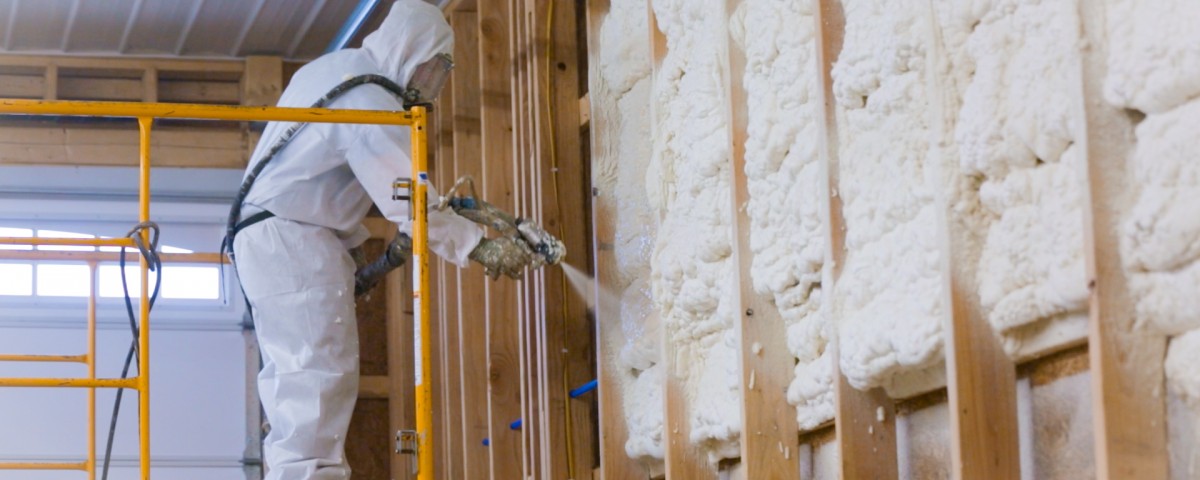
Noise pollution is a growing concern in urban environments, affecting comfort, health, and productivity. Unwanted sound can enter buildings through gaps, cracks, windows, and doors, creating disruptive indoor environments. One effective solution for mitigating noise is the use of PU foam sealant, which provides both insulation and soundproofing benefits. Understanding how this material works can help homeowners and contractors create quieter and more comfortable spaces.
The Soundproofing Properties of PU Foam Sealant
PU foam sealant is a polyurethane-based product that expands upon application to fill gaps and cavities. Its dense, closed-cell structure not only provides thermal insulation but also acts as a barrier to sound transmission. For those seeking effective solutions, PU foam sealant is available in specialized formulations that enhance both soundproofing and sealing capabilities, making it suitable for residential, commercial, and industrial applications.
How PU Foam Sealant Reduces Noise
1. Sealing Air Gaps
Sound travels easily through gaps and openings in walls, ceilings, floors, and around windows and doors. By filling these gaps, PU foam sealant prevents the passage of airborne noise. Its expansion ensures that even irregular spaces are completely sealed, eliminating common points of sound leakage.
2. Damping Vibrations
In addition to blocking sound, PU foam can help dampen vibrations that contribute to noise. Its semi-rigid structure absorbs and reduces the energy from vibrating surfaces, such as walls, ceilings, and pipes. This dual action of sealing and damping significantly lowers the overall noise levels within a space.
3. Complementing Other Soundproofing Materials
PU foam sealant works effectively in combination with other soundproofing measures. When applied behind acoustic panels, around door frames, or in wall cavities, it enhances the performance of materials like mass-loaded vinyl, insulation batts, and drywall. This integrated approach ensures that both airborne and impact noises are minimized.
Benefits of Using PU Foam Sealant for Noise Reduction
1. Improved Comfort
By reducing the intrusion of external noise, PU foam sealant contributes to a more comfortable and peaceful indoor environment. Homes near busy roads, airports, or industrial areas benefit particularly from its application, allowing occupants to enjoy quieter living spaces.
2. Energy Efficiency
PU foam sealant provides insulation while sealing gaps, which not only helps with soundproofing but also improves energy efficiency. By preventing drafts and air leakage, it helps maintain consistent indoor temperatures, reducing the need for excessive heating or cooling.
3. Long-Term Durability
Once cured, PU foam sealant maintains its shape and performance for years. Unlike some materials that compress or settle over time, it provides a stable and durable barrier against sound, ensuring long-lasting noise reduction and insulation benefits.
4. Versatility
PU foam sealant can be used in a variety of applications, including window and door frames, wall and ceiling cavities, around vents and pipes, and in floor gaps. Its ability to adhere to multiple surfaces, such as wood, metal, brick, and concrete, makes it a versatile solution for many noise control challenges.
Application Tips for Optimal Noise Reduction
To achieve the best soundproofing results with PU foam sealant:
- Prepare Surfaces Properly: Ensure that surfaces are clean, dry, and free of dust or debris to improve adhesion.
- Apply in Layers for Large Gaps: For deep cavities, apply the foam in layers to ensure complete filling without over-expansion.
- Use Controlled Dispensing Tools: A foam gun or nozzle allows precise application, reducing waste and ensuring consistent coverage.
- Trim Excess Foam After Curing: Removing protruding foam allows for smooth finishing and better integration with other materials.
Following these techniques maximizes both the sealing and sound-damping properties of PU foam.
Common Applications for Noise Control
- Residential Homes: Reducing street noise and sound transmission between rooms.
- Offices and Workspaces: Minimizing external noise to improve concentration and productivity.
- Industrial Buildings: Containing machinery noise and vibrations to protect workers.
- Entertainment Rooms: Enhancing soundproofing in home theaters and recording studios.
PU foam sealant provides an easy-to-use, effective solution for a wide range of noise control applications.
Conclusion
PU foam sealant is an efficient and versatile material for reducing noise pollution in buildings. Its ability to seal gaps, dampen vibrations, and complement other soundproofing measures makes it a valuable tool for creating quieter, more comfortable indoor environments. By selecting the right foam, preparing surfaces carefully, and applying it correctly, homeowners and contractors can achieve long-lasting noise reduction while also benefiting from improved energy efficiency and insulation. Properly applied PU foam sealant transforms ordinary spaces into peaceful, sound-controlled environments, enhancing comfort and quality of life.