

How to Maintain and Inspect Medical Electrical Connectors
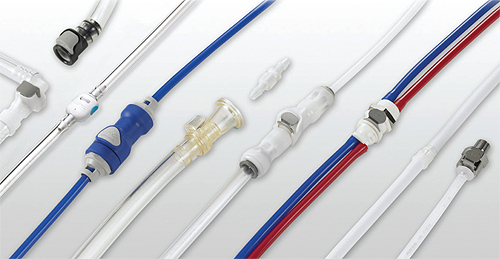
Medical electrical connectors are essential components in medical devices, providing reliable transmission of power and signals. Their performance is critical to the safety and accuracy of medical equipment, including patient monitoring systems, imaging devices, infusion pumps, and surgical instruments. Regular maintenance and inspection of these connectors help ensure consistent performance, prevent device failure, and extend the lifespan of medical equipment.
High-quality medical electrical connectors are designed for durability and reliability, but even the most robust connectors require proper care. Environmental factors, repeated usage, exposure to cleaning agents, and sterilization processes can impact their performance over time. Implementing a routine maintenance and inspection program minimizes the risk of connectivity issues, supports regulatory compliance, and enhances the overall safety of medical devices.
Visual Inspection
Visual inspection is the first step in maintaining medical connectors. Technicians should look for signs of physical damage, such as cracks, deformation, corrosion, or wear on the housing and contacts. Damaged connectors can compromise electrical performance, cause intermittent connections, or even lead to equipment failure. Special attention should be paid to locking mechanisms and mating surfaces, which must align correctly and remain intact for reliable operation.
Inspecting for contamination is also crucial. Dust, debris, and residual cleaning chemicals can accumulate on connector surfaces, affecting contact performance. If any contamination is detected, the connector should be cleaned following manufacturer guidelines to prevent damage and maintain signal integrity.
Cleaning Procedures
Proper cleaning is essential for medical electrical connectors, especially those used in patient-contact devices or surgical instruments. Cleaning should follow manufacturer recommendations, typically involving gentle wiping with approved disinfectants and avoiding harsh chemicals that can degrade materials. Isopropyl alcohol or other approved solutions are commonly used to remove dirt and contaminants without damaging contacts or housings.
It is important to avoid excessive moisture during cleaning, as liquid ingress can cause corrosion or short circuits. Some medical connectors are designed to withstand exposure to cleaning agents and moisture, but even these require careful handling to ensure long-term reliability.
Functional Testing
Routine functional testing ensures that connectors maintain proper electrical performance. Techniques include checking contact resistance, continuity, and signal transmission. Connectors should be tested both when mated and unmated to identify potential intermittent connections or degraded contact performance. Functional testing is especially important for devices that rely on high-frequency signals or critical power delivery, such as imaging systems and monitoring equipment.
Testing should be performed using calibrated equipment according to the manufacturer’s recommended procedures. Any deviation from specified performance parameters indicates that the connector may need repair or replacement.
Mechanical Maintenance
Mechanical maintenance involves inspecting and maintaining the physical components of connectors. Mating and unmating cycles should be smooth, without excessive resistance or looseness. Locking mechanisms and latches should operate correctly to prevent accidental disconnections during device use. Lubrication of moving parts may be necessary for certain connectors, but only with products approved by the manufacturer to avoid material degradation.
Regular mechanical maintenance ensures connectors retain their secure fit, which is critical for accurate data transmission and uninterrupted device operation.
Record-Keeping and Documentation
Maintaining accurate records of inspections, maintenance, and testing is essential for quality management and regulatory compliance. Documenting the condition of each connector, the results of functional tests, and any corrective actions taken helps track performance over time and identify recurring issues. Record-keeping also supports audits and ensures that medical devices meet safety and reliability standards throughout their service life.
Replacement and Lifecycle Management
Despite proper maintenance, all medical electrical connectors have a finite service life. Regular inspection allows technicians to identify connectors approaching the end of their operational life and replace them proactively. Following manufacturer guidelines for replacement intervals ensures that connectors continue to perform reliably, reducing the risk of device failure and maintaining patient safety.
Lifecycle management also involves coordinating with inventory systems to ensure that replacement connectors are available when needed, minimizing device downtime and maintaining efficient healthcare operations.
Conclusion
Proper maintenance and inspection of medical electrical connectors are essential for ensuring the safe and reliable operation of medical devices. Visual inspections, cleaning, functional testing, mechanical maintenance, and detailed record-keeping all contribute to prolonging connector lifespan and preventing failures. By following manufacturer guidelines and implementing a structured maintenance program, healthcare facilities can ensure that medical connectors continue to deliver consistent electrical performance, protect patient safety, and support the long-term reliability of critical medical equipment.