



Importance of Refrigerated Transport in the Food Supply Chain
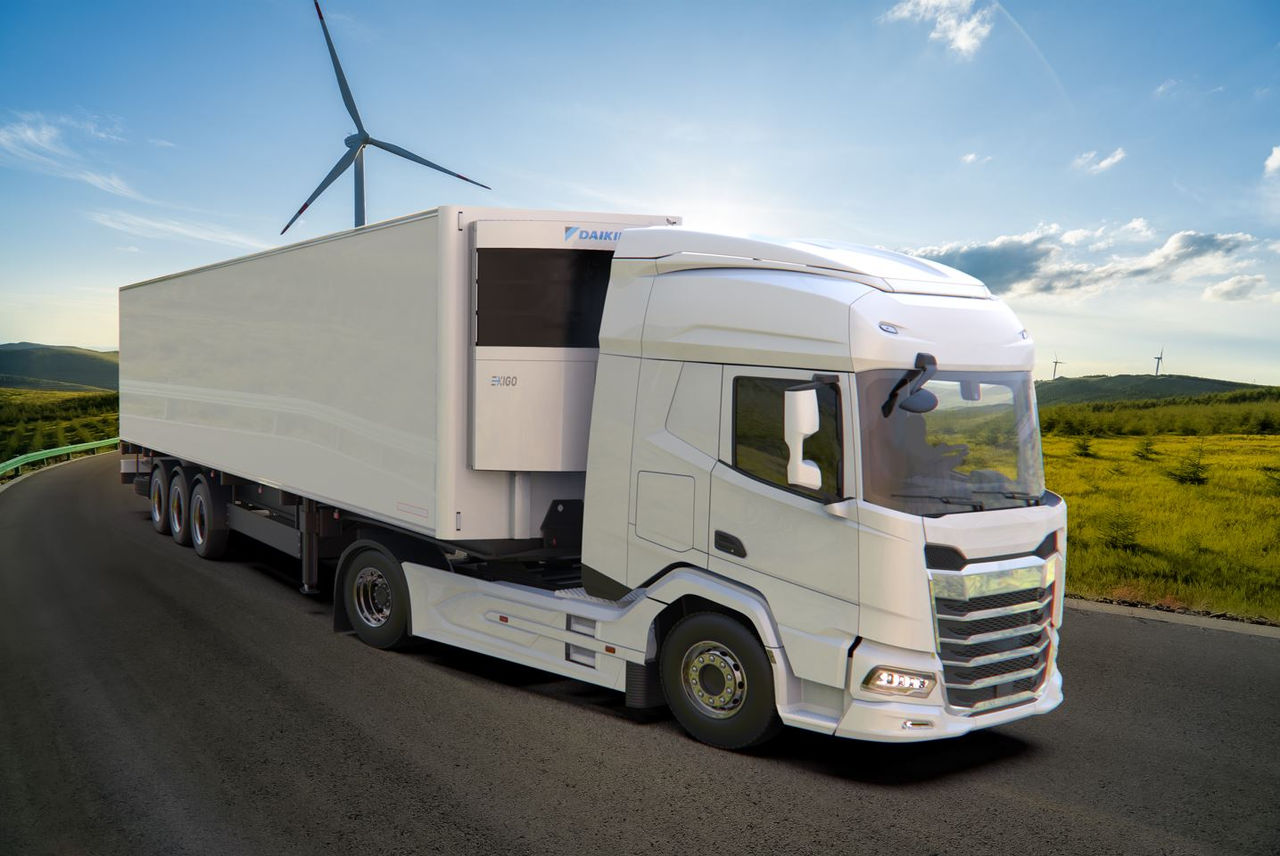 refrigerated transport
The cold chain is a coordinated system designed to maintain specific temperature ranges throughout storage, handling and transportation. Each stage must work together to prevent temperature fluctuations that can compromise product quality and safety. Refrigerated transportation plays a critical role in this process, particularly during transit, where perishable goods face the highest risk of exposure and loss.
What Does Refrigerated Transport Mean in Food Logistics?
Refrigerated transport refers to moving food using vehicles equipped with temperature-controlled systems. These systems keep products within defined temperature ranges throughout transit. This approach supports perishable items that cannot withstand normal shipping conditions. Without refrigeration, even short delays or exposure to heat can reduce shelf life or cause spoilage.
Why Temperature Control Matters for Food Safety?
Food safety depends heavily on stable temperatures during transport. Harmful bacteria grow quickly when food enters unsafe temperature zones. Refrigerated transport slows bacterial activity by keeping products cold and stable. This protection becomes especially important for meat, seafood, dairy and ready-to-eat foods. Consistent cooling helps distributors meet food safety standards while reducing consumer health risks. When transport conditions remain controlled, food reaches retailers without safety concerns.
Preserving Quality and Freshness During Transit
Beyond safety, temperature control protects food quality. Fruits, vegetables and dairy products lose texture, flavour and nutritional value when heated. Refrigeration helps maintain their original condition.
Refrigerated transport also prevents moisture loss and product damage during long-distance shipping. This consistency enables retailers to offer products that look fresh and meet customer expectations. As a result, brands maintain trust while reducing complaints and returns.
Reducing Food Waste Across the Supply Chain
Food waste remains a major challenge in the United States. A significant portion of waste occurs during transportation due to temperature failures. Refrigerated logistics reduce these losses by protecting food from spoilage. When shipments arrive in usable condition, businesses discard fewer products. This reduction saves costs for producers, distributors and retailers. It also supports sustainability goals by lowering unnecessary food disposal.
Supporting Long-Distance Distribution and Market Access
The US food system relies on nationwide distribution. Produce grown in one region often serves markets thousands of miles away. Refrigerated transport makes this possible without compromising safety or quality. Farmers and manufacturers gain access to larger markets when cold transport remains reliable. Consumers benefit from the year-round availability of fresh and frozen foods. This reach strengthens the overall food supply chain and supports economic stability.
Integration With the Broader Cold Chain
Refrigerated transport is part of a larger cold chain. It connects cold storage facilities, processing plants and retail distribution centres. Each step depends on the previous one, maintaining temperature standards. Modern systems often include real-time monitoring and tracking. These tools help logistics teams respond quickly to temperature changes. This coordination keeps products protected from origin to final delivery.
Conclusion
The food supply chain depends on reliable temperature control to function safely and efficiently. Refrigerated transport supports food safety, preserves quality, reduces waste and enables nationwide distribution. Its role extends beyond logistics into public health and sustainability. As demand for fresh and frozen foods continues to grow, controlled transport remains essential to keeping food safe and accessible.