



Innovations in Water pH Sensor Technology
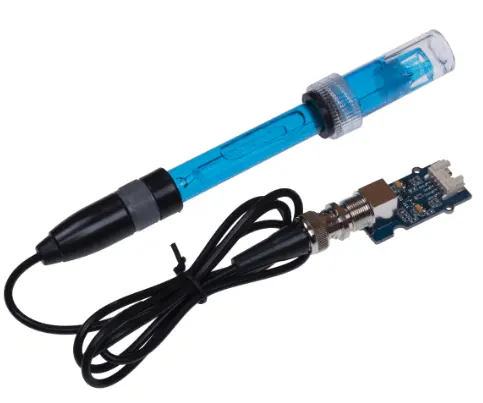
Water pH sensors are a critical tool for monitoring water quality in industrial processes, municipal systems, environmental research, and even residential applications. As the demand for precise, real-time water quality data grows, manufacturers are continually innovating sensor technology to improve accuracy, durability, and usability. Understanding these innovations helps operators choose the right sensor for their specific application.
Modern water ph sensor technology has evolved significantly from traditional glass electrodes, offering enhanced features such as digital communication, automated calibration, and robust materials that withstand harsh water conditions. These advancements provide more reliable readings, reduce maintenance requirements, and integrate seamlessly with automated monitoring systems.
Advancements in Sensor Materials
The materials used in water pH sensors have seen considerable innovation. Traditional glass electrodes, while accurate, are fragile and susceptible to contamination. Recent developments include:
- Durable Glass and Polymer Electrodes: These materials resist cracking, chemical attack, and biofouling, extending sensor lifespan.
- Specialized Coatings: Anti-fouling coatings reduce buildup of algae, sediments, or scaling on the electrode surface, maintaining consistent readings.
- Solid-State Electrodes: These sensors replace the liquid-filled reference with solid electrolytes, improving durability and reliability in extreme conditions.
High-quality materials ensure that water pH sensors can function effectively in industrial wastewater, seawater, and other challenging environments without frequent replacement.
Digital and Smart Sensor Technology
One of the most significant innovations in recent years is the integration of digital technology. Traditional analog sensors output a voltage signal that requires interpretation, while modern digital sensors can provide direct data output to monitoring systems. Features include:
- Digital Communication Protocols: RS-485, Modbus, and other protocols allow seamless integration with SCADA systems and IoT platforms.
- Automated Calibration: Sensors with built-in calibration routines reduce human error and ensure consistent accuracy over time.
- Self-Diagnostics: Modern sensors can detect electrode drift, low signal quality, or blockages, alerting operators before readings become unreliable.
These smart features enhance efficiency, reduce maintenance, and enable proactive water quality management.
Enhanced Data Logging and Connectivity
Water pH sensors now often include data logging and connectivity features that improve monitoring and analysis. Real-time data collection allows operators to track water quality trends, detect anomalies, and maintain compliance with regulations.
- Remote Monitoring: Wireless connectivity options such as Wi-Fi, Bluetooth, or cellular allow operators to access data from anywhere.
- Cloud Integration: Logged data can be uploaded to cloud platforms for analysis, visualization, and reporting.
- Trend Analysis: Continuous data collection helps identify gradual changes in water chemistry, enabling preventive measures rather than reactive interventions.
These capabilities are especially valuable for environmental monitoring, municipal water systems, and large-scale industrial operations.
Applications Benefiting from Sensor Innovations
Industrial Water Treatment
Industries such as chemical production, food processing, and power generation rely on precise pH control to optimize processes, protect equipment, and ensure safety. Innovative sensors reduce downtime, improve chemical dosing efficiency, and minimize human intervention.
Environmental Monitoring
Rivers, lakes, and oceans require accurate pH monitoring to track pollution, climate change effects, and ecosystem health. Advanced sensors provide reliable data even in turbulent, high-salinity, or sediment-heavy waters.
Municipal and Residential Systems
Municipal water systems benefit from improved sensor durability, automated calibration, and remote monitoring. Residential smart water systems also leverage innovations to ensure safe drinking water and reduce maintenance efforts.
Advantages of Modern Water pH Sensors
- High Accuracy: Advanced materials and digital processing provide precise measurements.
- Durability: Sensors last longer in challenging water conditions.
- Reduced Maintenance: Self-cleaning electrodes, anti-fouling coatings, and automated calibration lower upkeep requirements.
- Real-Time Insights: Continuous monitoring supports proactive water management.
- Integration: Digital outputs and smart features enable seamless connection with control and analysis systems.
Best Practices for Utilizing Modern Sensors
To maximize the benefits of innovations in water pH sensors:
- Regularly perform calibration checks even on automated systems.
- Maintain electrode cleanliness and inspect for wear or damage.
- Choose sensor models compatible with your monitoring system for data integration.
- Utilize cloud or local data logging for long-term trend analysis.
- Follow manufacturer recommendations for installation and environmental limits.
Conclusion
Innovations in water pH sensor technology have transformed the way water quality is monitored, providing increased accuracy, durability, and integration capabilities. From advanced electrode materials to digital communication, automated calibration, and data connectivity, these sensors support efficient and reliable water management in industrial, municipal, and environmental applications. By adopting modern water ph sensor technology, operators can ensure consistent water quality, reduce maintenance costs, and make informed decisions based on accurate, real-time data.