


Key Components and Features of an Industrial Centrifuge Machine

An industrial centrifuge machine is a vital piece of equipment in modern manufacturing and processing industries. It provides efficient separation of liquids and solids or immiscible liquids, ensuring product clarity, purity, and consistency. These machines are widely used in sectors such as food and beverage, pharmaceuticals, chemical processing, oil extraction, and wastewater treatment. Understanding the key components and features of an industrial centrifuge machine is essential for selecting the right equipment, optimizing performance, and ensuring long-term reliability.
Main Components of an Industrial Centrifuge Machine
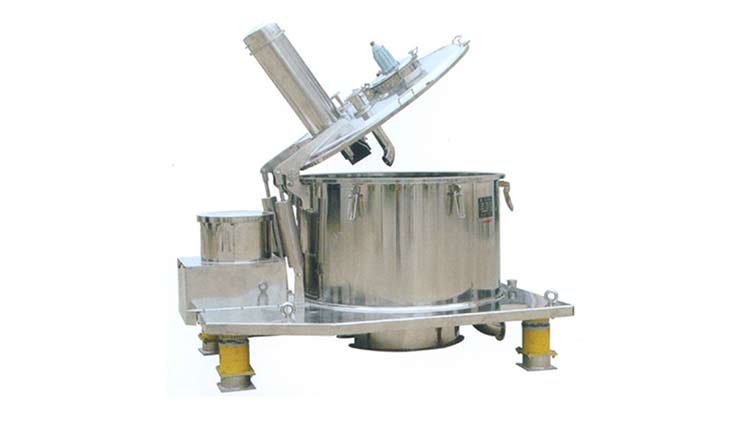
The core components of an industrial centrifuge machine are designed to work together to achieve high-speed separation with precision and efficiency. The primary components include the rotating bowl or drum, feed inlet, discharge outlets, drive system, bearings, seals, and control systems.
The rotating bowl or drum is the heart of the centrifuge. It spins at high speeds, creating the centrifugal force necessary for separating denser solids from lighter liquids. The bowl may include additional features such as a conical disc stack, which increases the effective settling area, allowing fine particles to separate more efficiently. For industries requiring high-performance separation, a modern Industrial Centrifuge Machine also includes automated solids discharge and backwash systems to maintain continuous operation and consistent output.
The feed inlet ensures a smooth and controlled introduction of the material into the bowl. Proper feed distribution is critical to avoid turbulence, which can reduce separation efficiency. The discharge outlets separate the clarified liquid and concentrated solids, directing each to their respective collection points. Depending on the type of centrifuge, the discharge system can be manual, semi-automatic, or fully automated.
Drive System and Mechanical Components
The drive system is responsible for rotating the bowl at high speeds. It can be electric, hydraulic, or belt-driven, and its design impacts both energy efficiency and separation performance. Precision alignment and balance of the rotating components minimize vibration and wear, ensuring reliable operation over extended periods.
Bearings and seals are also critical to the machine’s performance. Bearings support the high-speed rotation of the bowl and must be properly lubricated to reduce friction and prevent overheating. Seals prevent leakage of feed material or clarified liquid, maintaining hygiene standards in food, beverage, and pharmaceutical applications. High-quality materials and engineering reduce the risk of wear and extend the service life of these components.
Automation and Monitoring Features
Modern industrial centrifuge machines are increasingly equipped with automation and monitoring systems. Sensors track key operational parameters such as vibration, rotational speed, feed rate, torque, and temperature. These systems provide real-time feedback to operators, allowing them to adjust settings to maintain optimal separation efficiency and prevent potential issues.
Automated features, such as solids discharge and backwash cycles, reduce manual intervention and improve operational continuity. These capabilities are particularly important in high-volume industries like dairy processing, beverage production, and oil extraction, where consistent performance and minimal downtime are essential.
Material and Build Considerations
The choice of materials for an industrial centrifuge machine is critical for durability and operational safety. High-grade stainless steel is commonly used for bowls, discs, and other components in contact with the feed, as it resists corrosion and chemical attack. In some applications, specialized alloys or coatings are applied to withstand abrasive feed materials or high temperatures.
The structural design also influences performance. Well-engineered housings, balanced bowl assemblies, and vibration-damping features enhance reliability, reduce energy consumption, and maintain smooth operation. Compact designs allow the centrifuge to integrate seamlessly into existing production lines while minimizing floor space requirements.
Applications and Advantages
Industrial centrifuge machines are versatile and widely used across different sectors. In the food and beverage industry, they clarify juices, wine, beer, and dairy products, removing sediments and impurities. In pharmaceuticals, they purify fermentation broths, recover proteins, and handle delicate biological materials without compromising integrity. Chemical industries use centrifuges to separate emulsions, recover solvents, and clarify process streams, while oil processing relies on centrifuges to remove water, solids, and other impurities.
The main advantages of modern industrial centrifuge machines include high separation efficiency, continuous operation, reduced manual labor, improved product quality, and minimized energy consumption. Automation and real-time monitoring enhance reliability and allow manufacturers to maintain consistent results even with varying feed conditions.
Conclusion
An industrial centrifuge machine is composed of several interdependent components that work together to achieve precise, efficient separation of liquids and solids. Key components include the rotating bowl, feed inlet, discharge outlets, drive system, bearings, and seals, while advanced features such as automation and real-time monitoring further improve performance. Selecting the right machine, understanding its components, and implementing proper maintenance practices ensures consistent separation efficiency, reliable operation, and long-term durability. Industrial centrifuges remain essential for modern manufacturing, helping industries enhance product quality, increase yield, and optimize operational efficiency.