

Materials and Construction Techniques in Inflatable Military Tents
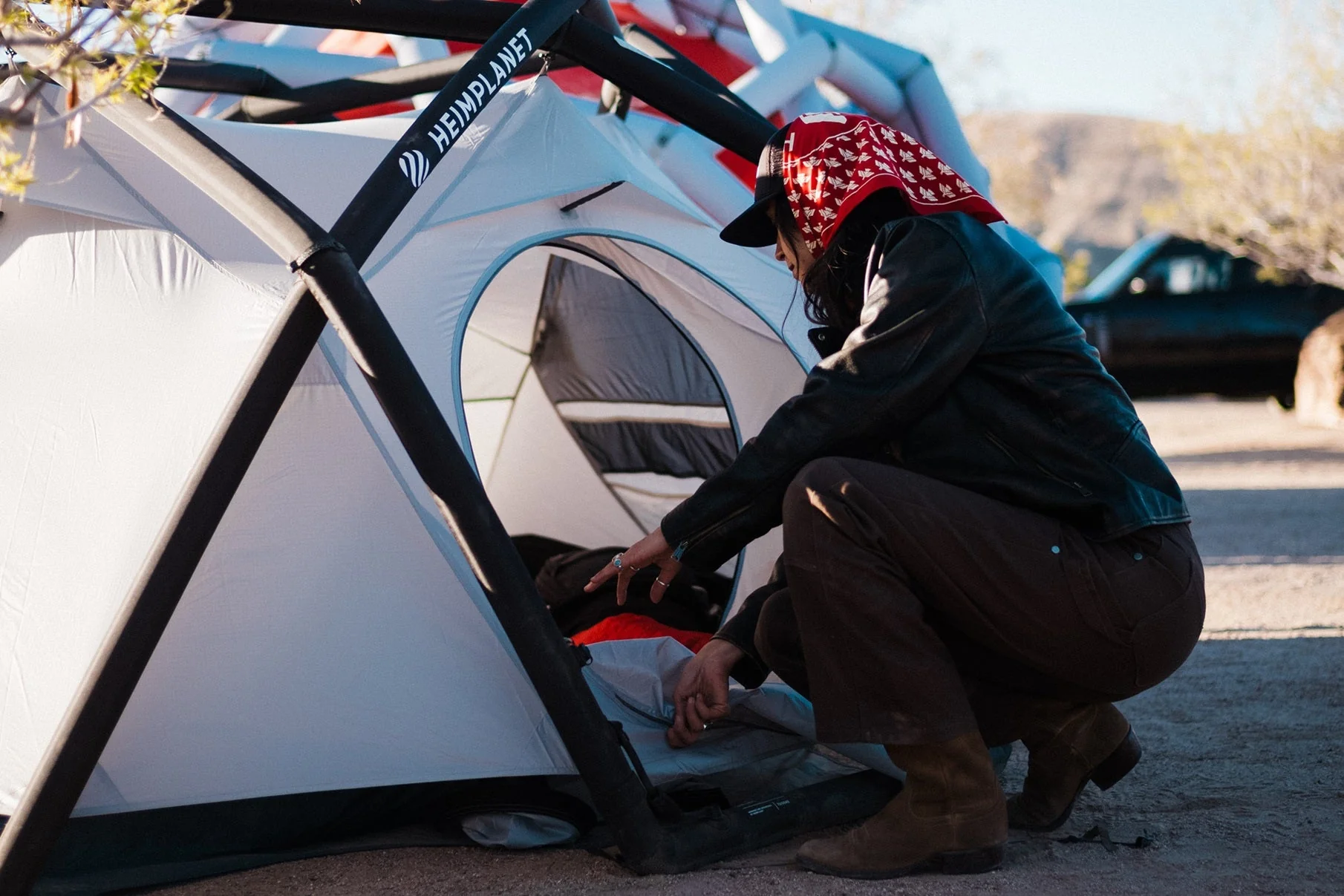
Inflatable military tents are critical for modern defense operations, disaster relief, and field deployments. They provide temporary shelters for command centers, medical facilities, personnel accommodation, and equipment storage in diverse and often harsh environments. The effectiveness, durability, and safety of these tents largely depend on the materials used and the construction techniques employed during manufacturing. Proper material selection and precise assembly ensure that inflatable tents can withstand extreme conditions, maintain structural integrity, and offer reliable performance under operational stress.
Professional Inflatable Military Tent Manufacturers combine high-performance materials with advanced construction techniques to produce tents that meet military specifications. From reinforced fabrics to airtight chambers, every component is designed to ensure rapid deployment, long-term durability, and operational safety in field conditions.
High-Performance Fabrics
The foundation of any inflatable military tent is the fabric used for the outer shell and internal chambers. Commonly used materials include PVC-coated polyester, PU-coated Oxford fabrics, and laminated airtight textiles. These fabrics are chosen for their strength, flexibility, and resistance to environmental stressors.
PVC-coated polyester is widely used because it provides excellent tensile strength, tear resistance, and waterproofing. It is also UV-resistant and fire-retardant when treated, making it suitable for prolonged outdoor deployment. PU-coated Oxford fabric is lighter than PVC-coated polyester and offers a good balance between flexibility and durability, making it ideal for tents that need frequent setup and transport. Laminated airtight textiles, often used for internal air chambers, provide enhanced air retention and stability, ensuring that the tent maintains its shape and structural integrity under inflation pressure.
Seam Construction and Reinforcement
Seam quality is a critical aspect of inflatable tent durability. Tents are assembled using high-frequency welding, heat sealing, or reinforced stitching. These techniques ensure airtight and water-resistant seams capable of withstanding internal air pressure and external environmental stress.
Reinforcements are applied to high-stress areas such as corners, entry points, and anchoring loops. Double-layered patches, reinforced seam tapes, and additional stitching increase the structural integrity of the tent. Multi-chamber designs, where internal baffles divide the air chambers, further enhance stability and reduce the risk of total collapse if one chamber is compromised.
Inflation Systems and Valves
Inflatable military tents rely on high-quality valves and air distribution systems to maintain structural stability. Valves are designed for rapid inflation and deflation while ensuring airtight performance. Modern designs include pressure-regulated valves, one-way air channels, and redundant systems to prevent overinflation and minimize the risk of leaks.
Internal baffles and air channels are constructed from reinforced polymers or heavy-duty plastics to withstand repeated use and pressure fluctuations. These components are integrated during assembly with precision to ensure consistent inflation, contributing to the tent’s operational reliability.
Fire Safety and Chemical Resistance
Fire-retardant and chemical-resistant properties are essential for military-grade inflatable tents. Fabrics and coatings are treated to comply with fire safety standards, reducing the risk of ignition and controlling flame propagation.
Chemical-resistant coatings protect the tent from exposure to fuels, cleaning agents, and other hazardous substances encountered in field operations. These safety features are incorporated during the material preparation and construction stages to ensure that the tents remain safe under extreme conditions.
Modular and Multi-Chamber Construction
Many inflatable military tents feature modular or multi-chamber designs. Modular construction allows multiple tent units to be connected, expanded, or reconfigured depending on operational needs. Multi-chamber systems enhance safety and stability, as each chamber operates independently, providing redundancy in case of damage to one section.
Construction of these tents involves precise alignment of chambers, reinforced connections, and consistent seam welding to ensure airtightness and structural integrity. This approach allows for rapid deployment and easy scalability, making modular tents ideal for large field operations or emergency response scenarios.
Quality Control in Construction
Quality control is integral to the construction process. Each tent undergoes inspections for seam strength, air retention, material integrity, and operational functionality. Fire safety, UV resistance, and chemical durability are also tested to meet military specifications.
Testing includes inflation cycles, stress assessments, and environmental simulations to verify performance in wind, rain, snow, and extreme temperatures. These inspections ensure that the tents can reliably perform in demanding conditions without compromising safety or structural integrity.
Conclusion
The materials and construction techniques used in inflatable military tents are critical to their durability, safety, and operational effectiveness. High-performance fabrics, reinforced seams, multi-chamber designs, precise inflation systems, and modular construction all contribute to tents that can withstand harsh environments and provide reliable shelter in military operations. Professional inflatable military tent manufacturers integrate advanced materials with meticulous construction processes to produce tents that are strong, flexible, and capable of rapid deployment. By combining innovative materials, robust assembly techniques, and rigorous quality control, these manufacturers deliver tents that meet the exacting demands of modern military and field operations.