


Materials Provided by Badges Wholesale Suppliers
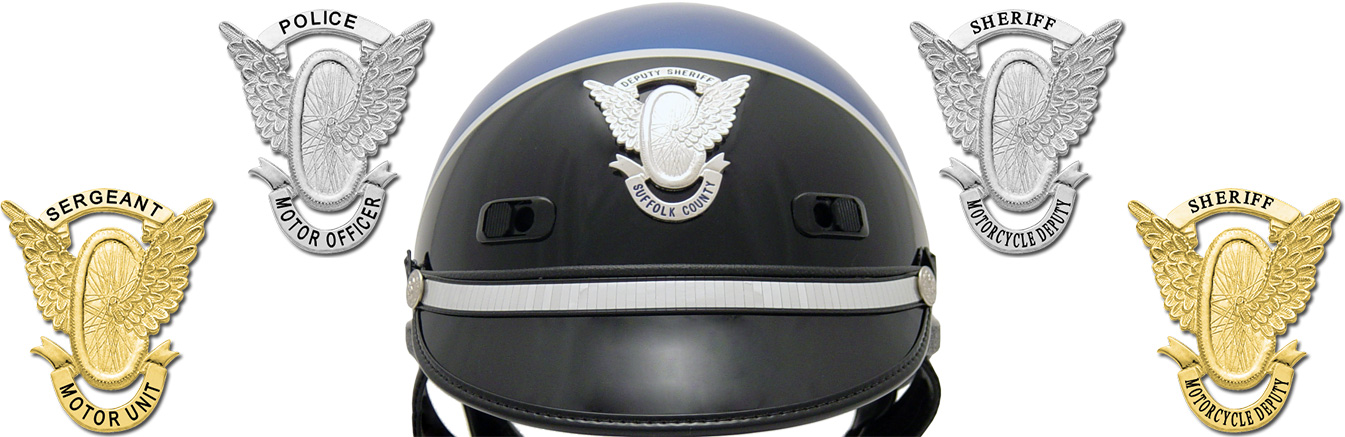
Badges are essential tools for identification, branding, recognition, and promotional purposes. Organizations, schools, corporations, and event planners rely on high-quality badges to create a professional image, reinforce brand identity, and recognize achievements. The materials used in badge production significantly affect durability, appearance, and functionality. Wholesale suppliers play a critical role in providing a wide variety of materials that meet different requirements and budgets.
Many organizations turn to badges wholesale suppliers for custom metal badges, enamel pins, and specialty designs. These suppliers offer access to high-quality raw materials and production expertise, ensuring that badges are not only visually appealing but also durable enough to withstand daily use. The variety of materials available allows clients to choose products that suit their specific applications, whether for temporary events or long-term recognition programs.
Metal Materials
Metal is one of the most popular materials used in badge production, especially for premium or long-lasting designs. Common metals include brass, copper, zinc alloy, stainless steel, and iron.
Brass is widely used due to its ability to hold intricate details and its natural polish, which gives badges a professional finish. It is ideal for awards, corporate recognition, and commemorative badges.
Copper provides durability and a classic look. It is often used in combination with plating finishes to create a high-end appearance.
Zinc alloy is versatile and suitable for complex, three-dimensional designs. It is a cost-effective choice for custom metal badges that require detailed embossing or layered elements.
Stainless steel offers exceptional durability and corrosion resistance, making it ideal for outdoor use or for badges that will be worn frequently.
Iron is another economical option, though it often requires additional finishing to prevent rust and maintain appearance over time.
Wholesale suppliers ensure that the chosen metals meet quality standards, which is crucial for badges that are intended to last for years.
Plastic and Acrylic Materials
Plastic and acrylic badges are popular for temporary identification or cost-effective promotional purposes. They are lightweight, versatile, and suitable for high-volume events such as conferences, trade shows, and visitor passes.
Acrylic is particularly valued for its clarity, durability, and ability to hold vibrant printed designs. Plastic badges can be laminated for additional protection, increasing resistance to scratches, moisture, and fading. These materials are less expensive than metals, making them an ideal option for short-term use or for organizations with budget constraints.
Enamel and Color Fill Materials
Enamel is commonly used in combination with metal badges to enhance aesthetics and create vibrant, long-lasting colors. There are two main types of enamel: soft enamel and hard enamel.
Soft enamel provides a textured surface with raised metal outlines, giving the badge depth and a tactile feel. It is ideal for highlighting logos, symbols, and text.
Hard enamel creates a smooth, polished finish that is durable and highly resistant to scratches. This type of enamel is often used in high-end awards, collector’s pins, and recognition badges.
Color fills and enamel materials are supplied by wholesale suppliers in a wide range of shades, allowing organizations to match branding guidelines accurately and maintain consistency across bulk orders.
Plating and Finishing Materials
Plating and finishing materials significantly enhance both the appearance and durability of badges. Common plating options include gold, silver, nickel, chrome, and bronze, each offering a unique visual effect. Antique or brushed finishes are also available for a classic or vintage look.
Protective coatings such as epoxy, lacquer, or UV-resistant layers help preserve the badge’s appearance, preventing scratches, tarnishing, or fading over time. Wholesale suppliers provide these finishing materials along with the expertise to apply them consistently, ensuring each badge meets the client’s quality standards.
Attachment Materials
Attachment methods for badges require specialized materials that complement the badge’s weight, design, and intended use. Common attachment types include pin backs, butterfly clutches, magnetic backs, screw posts, and safety pins. Magnetic attachments are ideal for delicate fabrics, while screw-back options provide secure fastening for heavier badges. Wholesale suppliers provide high-quality attachment materials that ensure comfort, durability, and ease of use.
Specialty and Hybrid Materials
In addition to standard metals and plastics, wholesale suppliers often offer specialty materials such as resin, wood, leather, or hybrid composites. These materials are typically used for unique promotional items, awards, or collector’s badges. They allow for creative designs and innovative textures that differentiate a badge from traditional options.
Conclusion
Badges wholesale suppliers provide access to a diverse range of materials, including metals, plastics, acrylics, enamel, plating, and specialty composites. The choice of material affects durability, aesthetics, and cost, making it essential for organizations to select the right combination for their needs. By offering high-quality materials, customization options, and expertise in production, wholesale suppliers enable clients to create badges that are both functional and visually appealing. Whether for identification, recognition, or promotional purposes, understanding the materials available ensures that badges meet both practical and branding requirements while maintaining long-term value.