


Why Modern Packaging Companies Are Adopting Advanced Foil Stamping Technology
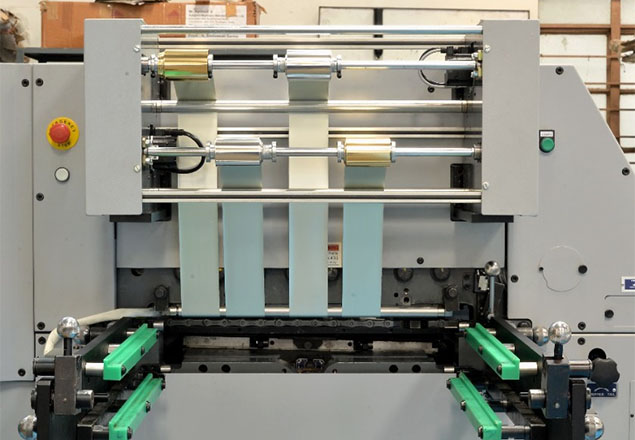
An automatic hot stamping machine is a specialized industrial system used to apply decorative foil designs onto materials such as paper, cardboard, leather, and plastic using controlled heat and pressure. This technology allows manufacturers to produce premium packaging, branded labels, and elegant print finishes quickly and consistently. Businesses use this equipment to enhance visual appeal, strengthen brand identity, and achieve professional-quality results in high-volume production environments.
In today’s competitive manufacturing landscape, an automatic hot stamping machine has become an essential tool for companies seeking precision and efficiency in decorative printing. By automating key processes such as sheet feeding, alignment, temperature regulation, and foil transfer, these machines allow manufacturers to maintain consistent output while reducing manual labor and operational errors.
Understanding the Basics of Foil Stamping
Foil stamping is a printing and finishing process where a thin layer of metallic or colored foil is transferred onto a surface using heat and pressure. A heated metal die presses the foil onto the material, leaving behind a clean and visually appealing impression.
The process has been widely used for decades in the printing and packaging industries because it creates a luxurious and durable finish that standard printing methods cannot easily replicate.
When automation is introduced into the process, the stamping procedure becomes faster, more accurate, and suitable for large-scale production.
Key elements involved in the foil stamping process include:
- Heating plates that maintain consistent temperature
- Stamping dies that create the design or text impression
- Foil feeding systems that move foil precisely across materials
- Automated controls that regulate pressure and positioning
Together, these components help achieve professional results across thousands of production cycles.
The Importance of Automation in Stamping Technology
Manual stamping processes often require frequent adjustments, skilled operators, and significant production time. Automation addresses these limitations by integrating intelligent control systems and advanced mechanical design.
Improved Production Efficiency
Automated machines significantly increase production speed. Manufacturers can process large quantities of materials within a short period, making it easier to meet tight deadlines and growing market demands.
Greater Precision and Accuracy
Modern stamping machines use sensors and digital positioning systems that ensure exact alignment of designs. This level of accuracy helps maintain uniformity across every stamped product.
Reduced Operational Costs
Automation minimizes the need for manual intervention. As a result, companies can reduce labor expenses and lower the risk of production errors.
Consistent Product Quality
When temperature, pressure, and alignment are controlled automatically, the final output remains consistent across all production batches.
Industries That Rely on Foil Stamping Machines
Hot stamping technology is widely used in several industries where premium design and branding are essential.
Packaging Industry
Luxury packaging is one of the largest applications for foil stamping. Cosmetic products, perfumes, jewelry boxes, and high-end retail packaging often feature metallic foil logos or decorative elements that enhance product value.
Commercial Printing
Foil stamping is commonly used in the printing of invitations, greeting cards, certificates, and book covers. The technique adds elegance and a professional appearance to printed materials.
Label and Tag Manufacturing
Product labels and clothing tags often incorporate foil stamping to highlight brand names and important product details.
Leather and Specialty Products
Manufacturers of leather goods such as wallets, handbags, and belts use stamping technology to imprint brand logos or decorative patterns.
Key Features of Modern Stamping Machines
Selecting the right equipment is crucial for maintaining efficient production and high-quality results. Modern machines typically include advanced features that improve both performance and reliability.
Digital Temperature Control
Precise temperature regulation ensures that foil adheres correctly to the material without damaging the surface.
Automated Feeding Systems
Automatic sheet feeding improves production speed and reduces the need for manual handling.
Accurate Registration Systems
Sensors and positioning systems guarantee that each design is placed correctly on the material.
Strong Mechanical Construction
Industrial stamping machines are built with durable components that allow continuous operation in demanding manufacturing environments.
Advantages for Businesses and Manufacturers
Companies that invest in automated stamping equipment often experience long-term benefits that improve both productivity and product quality.
Enhanced Product Presentation
Foil stamping creates a premium and visually appealing finish that attracts customers and strengthens brand recognition.
Reduced Production Waste
Accurate alignment and pressure control help minimize printing mistakes and material waste.
Flexible Production Capabilities
Modern machines can easily adapt to different designs, materials, and foil types. This flexibility allows manufacturers to handle diverse projects efficiently.
Long-Term Cost Savings
Although automated equipment requires an initial investment, the long-term savings from reduced labor costs and improved efficiency often outweigh the initial expense.
Best Practices for Efficient Machine Operation
To ensure optimal performance and long equipment lifespan, operators should follow proper maintenance and operational practices.
Regular Cleaning
Keeping the machine free from dust and debris helps maintain precise operation and prevents mechanical issues.
Monitoring Operating Conditions
Operators should regularly check temperature, pressure, and alignment settings to ensure consistent stamping results.
Inspecting Stamping Dies
Over time, dies can wear out and lose precision. Routine inspection and replacement help maintain high-quality impressions.
Preventive Maintenance
Scheduled servicing by qualified technicians helps detect potential issues before they disrupt production.
Future Developments in Foil Stamping Technology
The printing and packaging industries are evolving rapidly, and stamping technology continues to advance with new innovations.
Smart Manufacturing Integration
Modern machines increasingly connect with digital production systems that allow operators to monitor performance and efficiency in real time.
Energy-Efficient Designs
New equipment models focus on reducing energy consumption while maintaining high-speed performance.
Multi-Function Finishing Systems
Some advanced machines combine foil stamping with additional processes such as embossing, die cutting, or laminating, creating more efficient production workflows.
Advanced Automation and Sensors
Emerging technologies, including intelligent sensors and automated calibration systems, are improving the accuracy and reliability of stamping operations.
Conclusion
Foil stamping remains one of the most effective methods for adding premium visual effects to packaging and printed materials. By combining heat, pressure, and automation, modern stamping machines help manufacturers produce elegant designs with remarkable precision and speed.
As businesses continue to focus on product presentation and brand differentiation, automated stamping technology will remain a valuable investment. Companies that adopt advanced machines can enhance production efficiency, maintain consistent quality, and create visually impressive products that stand out in competitive markets.