



Multiple Myeloma Treatment: A Simple Guide for Patients and Families
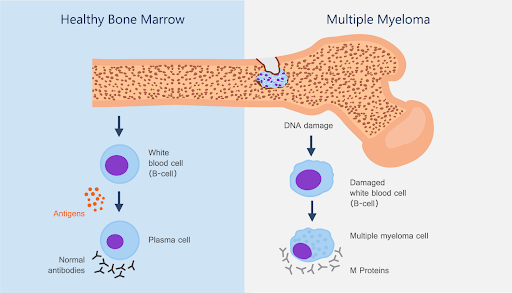
Multiple myeloma is a type of blood cancer that affects plasma cells, which are an important part of the immune system. These abnormal cells build up in the bone marrow and interfere with the production of healthy blood cells. A diagnosis of multiple myeloma can feel overwhelming, but today’s medical advances have made treatment more effective and manageable than ever before.
This article explains multiple myeloma treatment in clear, easy-to-understand language to help patients and families know what to expect.
Understanding Multiple Myeloma
In multiple myeloma, cancerous plasma cells multiply uncontrollably and weaken bones, reduce immunity, and affect organs such as the kidneys. Common symptoms include bone pain, frequent infections, fatigue, anemia, and kidney problems.
Treatment is not the same for every patient. Doctors create a personalized plan based on age, overall health, disease stage, and symptoms.
Goals of Multiple Myeloma Treatment
The main goals of treatment are:
- Controlling cancer growth
- Reducing symptoms such as pain and fatigue
- Preventing complications like fractures and infections
- Improving quality of life and survival
Although multiple myeloma is often a long-term condition, many patients live well for years with proper treatment.
First-Line Treatment Options
Initial treatment usually involves a combination of therapies to control the disease effectively.
Common first-line treatments include:
- Targeted therapy, which attacks cancer cells without harming healthy cells
- Immunotherapy, which helps the immune system fight cancer
- Chemotherapy, used to kill or slow the growth of myeloma cells
- Steroids, which reduce inflammation and support other treatments
These treatments are often given together for better results.
Treatment Planning and Ongoing Care
Once treatment begins, patients need regular monitoring through blood tests, imaging, and bone marrow exams. Based on response, doctors may adjust medications or treatment intensity.
At this stage, many patients and families also try to understand the Multiple Myeloma treatment cost in India, as long-term care may involve multiple therapy cycles, follow-ups, and supportive treatments depending on disease response.
Stem Cell Transplant in Multiple Myeloma
For eligible patients, an autologous stem cell transplant may be recommended. In this procedure, a patient’s own healthy stem cells are collected, high-dose chemotherapy is given, and the stem cells are returned to rebuild the bone marrow.
This treatment can:
- Extend remission periods
- Improve response to therapy
- Help control the disease for longer durations
Not all patients are suitable candidates, especially older adults or those with other medical conditions.
Maintenance and Relapse Treatment
After successful initial treatment, maintenance therapy may be used to keep the disease under control. Low-dose medications help delay relapse.
If the disease returns, doctors may recommend:
- New drug combinations
- Advanced immunotherapy
- Clinical trials offering newer treatments
Treatment choices depend on previous response and overall health.
Managing Symptoms and Side Effects
Supportive care is an important part of multiple myeloma treatment. It helps patients stay comfortable and active.
Supportive care includes:
- Pain management for bone pain
- Medications to strengthen bones
- Infection prevention
- Kidney function monitoring
Managing side effects improves both comfort and treatment success.
Living with Multiple Myeloma
Living with multiple myeloma requires ongoing care, but many patients maintain good quality of life. A balanced diet, gentle exercise, stress management, and emotional support are key.
Joining support groups and staying informed also helps patients feel more confident and positive.
Final Thoughts
Multiple myeloma treatment has advanced significantly, offering patients better outcomes and longer survival. While it remains a chronic condition for many, personalized treatment plans, new therapies, and strong medical support allow patients to live fulfilling lives. Early diagnosis, regular follow-ups, and a positive care approach make a meaningful difference in managing multiple myeloma effectively.