


Quality Standards Followed by Water Soluble Film Suppliers
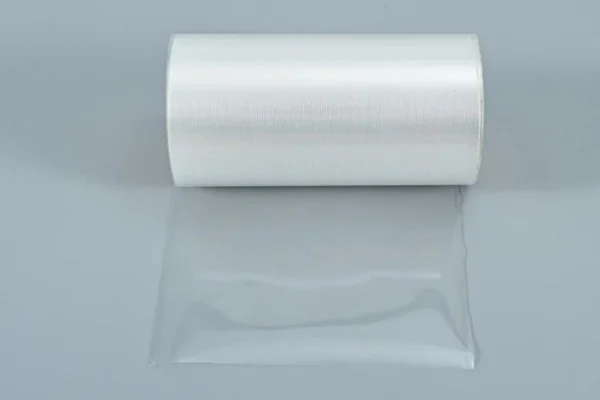
Water soluble films have become an indispensable material in various industries, including consumer products, pharmaceuticals, agriculture, and industrial chemicals. Their ability to dissolve completely in water while leaving minimal residue makes them a preferred choice for packaging, dosing, and other applications that require precision and environmental responsibility. The quality and performance of these films are critical for their effectiveness, making adherence to strict quality standards a priority for suppliers. Ensuring consistency, safety, and compliance requires comprehensive quality control measures throughout the manufacturing process.
A Water Soluble Film Supplier must implement robust quality standards to maintain product reliability and meet the specific requirements of different industries. These standards encompass raw material sourcing, production processes, testing protocols, and regulatory compliance. By following strict quality guidelines, suppliers can provide films that perform consistently under various conditions, satisfy industrial and consumer demands, and adhere to global regulations.
Raw Material Quality Standards
The foundation of high-quality water soluble films lies in the selection of raw materials. Polyvinyl alcohol (PVA) is the primary polymer used, and its quality significantly affects the film’s mechanical strength, solubility, and performance characteristics. Suppliers must source PVA from reputable manufacturers and verify its molecular weight, degree of hydrolysis, and purity to ensure consistency.
Additives, plasticizers, and stabilizers are also carefully selected to meet safety and performance criteria. Suppliers follow stringent guidelines to ensure that all materials are non-toxic, biodegradable where applicable, and compatible with the intended application. Raw material testing often includes chemical composition analysis, moisture content verification, and impurity detection to maintain high-quality standards.
Production Process Standards
Water soluble film production involves multiple stages, including polymer dissolution, film casting or extrusion, drying, and cutting. Each stage requires precise control to ensure uniformity and consistent product quality. Suppliers implement standardized operating procedures and maintain strict environmental controls for temperature, humidity, and processing conditions.
Automated systems and real-time monitoring help detect deviations during production, allowing for immediate corrective actions. These standards reduce variability in film thickness, mechanical properties, and solubility, ensuring that the final product meets client specifications and performs reliably in industrial and consumer applications.
Testing and Inspection Standards
Comprehensive testing and inspection are critical components of quality assurance for water soluble films. Suppliers follow standardized testing protocols to assess key attributes such as tensile strength, thickness uniformity, solubility rate, clarity, and chemical compatibility. Laboratory testing may also include evaluation under varying environmental conditions to simulate real-world applications.
In addition to laboratory tests, inline inspection systems are employed to monitor films during production. These systems can detect defects, inconsistencies, or contamination, ensuring that only films meeting strict quality criteria are delivered to customers. Regular audits of testing procedures help maintain accuracy and compliance with industry standards.
Regulatory Compliance Standards
Water soluble films are used in applications that are often regulated by health, safety, and environmental authorities. Compliance with these regulations is a crucial aspect of quality standards for suppliers. Depending on the application, films may need to meet FDA guidelines, European Union REACH regulations, ISO certifications, or other industry-specific standards.
Suppliers maintain detailed documentation for every batch of film, including material certificates, testing results, and production records. This traceability ensures that regulatory requirements are met and facilitates audits, certifications, or quality reviews. Adherence to compliance standards not only ensures safety but also enhances customer confidence in the product.
Environmental and Sustainability Standards
Sustainability is a growing concern for industries using water soluble films. Suppliers integrate environmental quality standards by adopting energy-efficient production processes, reducing water and energy consumption, and minimizing waste. Biodegradable or eco-friendly film formulations are increasingly incorporated to reduce environmental impact.
Waste management protocols, solvent recycling, and responsible disposal of defective products are key practices in maintaining environmental quality standards. By aligning production practices with sustainability goals, suppliers help clients meet their own environmental objectives while maintaining high-quality products.
Continuous Improvement and Certification
Quality standards are dynamic, and suppliers continuously refine their processes to improve product performance and efficiency. Many water soluble film suppliers adopt quality management systems such as ISO 9001, which provide a framework for continuous improvement, process standardization, and risk management. These systems ensure that products remain consistent, reliable, and compliant over time.
Certifications from recognized authorities serve as proof of adherence to quality standards and provide assurance to clients across industries. Suppliers invest in ongoing employee training, equipment maintenance, and process optimization to uphold these certifications and deliver high-quality films consistently.
Customer Support and Technical Assistance
Beyond production and testing, quality standards also encompass customer support and technical guidance. Suppliers assist clients in selecting the right film specifications, integrating films into production lines, and troubleshooting performance issues. Providing technical assistance ensures that the product meets operational requirements and maintains consistent performance in real-world applications.
Conclusion
Water soluble film suppliers follow comprehensive quality standards covering raw material selection, production processes, testing, regulatory compliance, sustainability, and customer support. These standards ensure that films are consistent, reliable, and safe for use across various industrial and consumer applications. By maintaining rigorous quality protocols and continuously improving their processes, suppliers provide high-performance water soluble films that meet evolving industry demands, regulatory requirements, and environmental expectations.