

Safety Standards for Slaughtering Equipment
The meat processing industry requires strict adherence to safety standards to protect workers, maintain hygiene, and ensure consistent product quality. Slaughterhouses operate in environments that involve heavy machinery, sharp tools, and biological hazards, making safety a top priority. Ensuring that equipment meets rigorous safety requirements not only safeguards employees but also improves operational efficiency and compliance with regulatory guidelines.
Importance of Safety in Slaughterhouses
Safety is a critical consideration in any slaughterhouse operation. Workers are exposed to potentially hazardous machinery, including cutting blades, hoists, and automated processing systems. Without proper safety measures, accidents can result in severe injuries, operational delays, and financial losses. Implementing comprehensive safety protocols ensures that employees can work efficiently while reducing the risk of accidents. Modern slaughtering facilities prioritize the integration of safety features into every piece of machinery, creating a safer working environment and improving overall productivity.
Design and Construction Standards
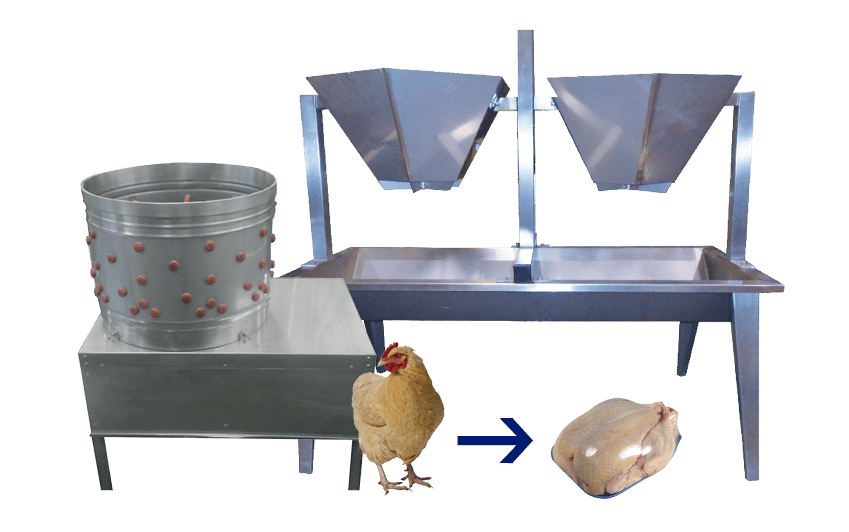
High-quality slaughtering equipment is designed to comply with stringent safety standards. Machines are typically constructed from durable, corrosion-resistant materials such as stainless steel to withstand frequent use and exposure to moisture while minimizing the risk of contamination. Safety-focused design includes smooth surfaces, rounded edges, and easily accessible emergency stop buttons. Removable components and self-cleaning mechanisms ensure that operators can maintain hygiene without compromising safety. These design elements collectively prevent accidents, reduce maintenance risks, and ensure compliance with both local and international regulations.
Operator Training and Certification
Even the safest machinery can pose risks if operators are not properly trained. Comprehensive training programs are essential to ensure that workers understand how to handle equipment, recognize hazards, and respond to emergencies. Certification courses often cover topics such as proper handling of knives and blades, safe operation of automated machinery, emergency shutdown procedures, and personal protective equipment (PPE) requirements. Well-trained employees are better equipped to prevent accidents, maintain a safe workspace, and respond efficiently to unexpected situations, contributing to a safer and more productive slaughterhouse.
Protective Features and Ergonomics
Modern slaughtering equipment incorporates a variety of protective features to reduce workplace hazards. Safety guards, non-slip surfaces, and ergonomic designs minimize the risk of injury from repetitive motions or heavy lifting. Emergency stop mechanisms allow operators to halt machinery instantly if a dangerous situation arises. Ergonomically designed equipment reduces physical strain, allowing workers to operate machines more effectively and with less fatigue. By integrating protective features into equipment, slaughterhouses can ensure both employee safety and sustained productivity.
Maintenance and Regular Inspections
Regular maintenance and inspections are crucial to maintaining the safety and efficiency of slaughtering equipment. Malfunctioning machinery increases the likelihood of accidents and can lead to contamination or operational downtime. Scheduled inspections ensure that all mechanical parts are functioning correctly, safety devices are operational, and hygiene standards are upheld. Preventive maintenance, including lubrication, replacement of worn components, and thorough cleaning, prolongs the life of the equipment and guarantees compliance with safety regulations. By prioritizing maintenance, slaughterhouses can avoid costly accidents and maintain uninterrupted operations.
Compliance with Regulatory Standards
Safety standards for slaughtering equipment are often guided by regulatory authorities to ensure worker protection and public health. In many countries, agencies set requirements for machine design, operational safety, hygiene protocols, and environmental considerations. Compliance with these regulations is mandatory, and failure to meet standards can result in fines, shutdowns, or legal liabilities. By investing in certified and well-maintained equipment, slaughterhouses not only protect their workforce but also build credibility and trust with consumers, regulators, and industry partners.
Technological Innovations for Safety
Advancements in technology have enhanced the safety of modern slaughtering equipment. Automated monitoring systems, sensors, and data tracking tools help detect potential hazards before they lead to accidents. Machines equipped with real-time alerts can notify operators of irregularities, mechanical malfunctions, or unsafe operating conditions. By incorporating technology into safety protocols, slaughterhouses can proactively prevent injuries, reduce downtime, and maintain consistent production quality.
Conclusion
Safety standards for slaughtering equipment are essential for protecting workers, ensuring hygienic operations, and maintaining regulatory compliance. Key aspects include robust equipment design, operator training, protective features, regular maintenance, and technological innovations. Investing in safe and reliable slaughtering equipment not only minimizes risks but also enhances productivity and operational efficiency. In an industry where precision, hygiene, and employee well-being are critical, adhering to safety standards is fundamental to the success and sustainability of slaughterhouse operations.