


The Smart Homeowner’s Guide to Choosing Kitchen Cabinet Woods: Styles, Durability, and Budget
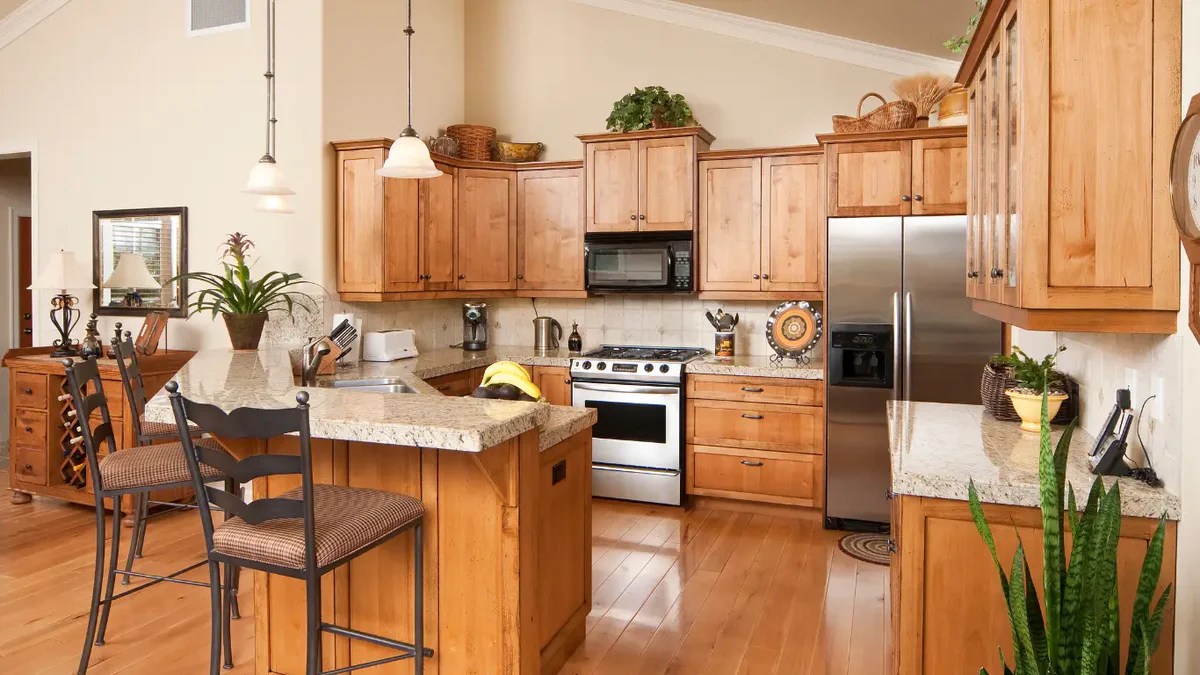
Choosing the right cabinet wood can completely transform your kitchen or bathroom. In simple terms: hardwoods offer strength and timeless beauty, softwoods provide budget-friendly charm, and engineered woods balance cost with consistency. Prices vary widely based on species, finish, and construction—but understanding your options helps you invest wisely. This guide breaks everything down in clear, practical terms so you can confidently pick cabinet wood that matches your style, lifestyle, and budget.
When homeowners start comparing Cabinet Wood Types and Costs, they quickly realize there’s more involved than just picking a color. Grain patterns, durability, maintenance needs, and local availability all play major roles in the final price and long-term satisfaction.
Popular Cabinet Wood Categories Explained
Cabinet materials generally fall into three main groups: hardwoods, softwoods, and engineered woods. Each category has unique strengths, visual characteristics, and cost ranges.
Understanding these differences upfront will save you time, money, and future regrets.
Hardwood Cabinet Woods: Premium Look and Long-Term Value
Hardwoods come from deciduous trees and are prized for their density, durability, and natural beauty. They’re a top choice for homeowners seeking long-lasting cabinets with rich character.
Oak
Oak is one of the most common cabinet woods thanks to its strength and prominent grain. It resists dents well, making it ideal for busy kitchens.
Cost range: Mid-level. Usually more affordable than maple or cherry.
Maple
Maple offers a smooth, subtle grain and a clean appearance that works beautifully in modern and transitional kitchens. It also takes paint and stain evenly.
Cost range: Medium to high.
Cherry
Cherry darkens gracefully over time, developing a warm, elegant patina. It’s softer than maple but still durable enough for cabinetry.
Cost range: High, often considered a luxury option.
Walnut
Walnut delivers deep, dramatic tones and a sophisticated look. While stunning, it’s one of the pricier hardwoods and typically used in high-end projects.
Cost range: Premium.
Why choose hardwood?
- Excellent durability
- Natural beauty and resale value
- Can be refinished multiple times
Things to consider:
Hardwoods cost more and may react to humidity if not properly sealed.
Softwood Cabinet Options: Affordable and Full of Character
Softwoods come from evergreen trees. While technically less dense than hardwoods, they can still perform well in cabinets—especially in low-traffic areas or rustic designs.
Pine
Pine is lightweight, easy to work with, and offers a casual, country-style charm. Knots and color variations give it personality, but it dents more easily.
Cost range: Budget-friendly.
Cedar and Fir
These are less common for cabinets but sometimes used in custom or specialty builds. They bring unique aromas and textures but aren’t as durable as hardwoods.
Why choose softwood?
- Lower upfront cost
- Great for cottage or farmhouse styles
- Easy to customize
Things to consider:
Softwoods scratch more easily and usually require extra care in busy kitchens.
Engineered Wood Cabinets: Consistency Meets Cost Savings
Engineered woods are manufactured products made from wood fibers or layers bonded together. They’re widely used in modern cabinetry for their stability and affordability.
Plywood
High-quality plywood is strong, moisture-resistant, and commonly used for cabinet boxes. It holds screws well and performs better than particleboard.
MDF (Medium-Density Fiberboard)
MDF has a smooth surface that’s perfect for painted cabinets. It doesn’t show grain, making it ideal for sleek designs.
Particleboard
This is the most economical option and often found in stock cabinets. While budget-friendly, it’s more vulnerable to water damage.
Why choose engineered wood?
- Lower cost
- Uniform appearance
- Resists warping better than solid wood
Things to consider:
Not all engineered woods are equal—quality varies significantly by manufacturer.
Average Cabinet Wood Costs Breakdown
While prices vary by region and supplier, here’s a general idea of what homeowners can expect:
- Pine or particleboard cabinets: Lowest cost range
- Oak or plywood-based cabinets: Mid-range pricing
- Maple or cherry cabinets: Upper mid-range
- Walnut or custom hardwood cabinets: Premium pricing
Beyond the wood itself, total cabinet costs also include construction type (stock, semi-custom, or custom), door style, finish, hardware, and installation.
If you’re exploring design inspiration or planning resources, you can also find helpful home renovation insights at https://mynexthouseproject.com/.
Key Factors That Influence Cabinet Pricing
Wood species is only part of the equation. Several other factors directly affect what you’ll pay:
Construction Style
- Stock cabinets: Pre-made, most affordable
- Semi-custom cabinets: More size and finish options
- Custom cabinets: Built to order, highest cost
Finish and Detailing
Painted finishes, glazing, distressing, or specialty stains all add to the price.
Door Design
Simple slab doors cost less than raised-panel or inset styles.
Hardware and Accessories
Soft-close hinges, pull-out shelves, and built-in organizers improve functionality but increase your budget.
How to Choose the Right Cabinet Wood for Your Home
The best cabinet wood isn’t always the most expensive—it’s the one that fits your lifestyle.
Ask yourself:
- Do you cook daily or entertain often? Choose durable hardwoods or quality plywood.
- Prefer a painted look? MDF or maple works beautifully.
- On a tight budget? Consider oak, pine, or engineered options.
- Want long-term resale value? Maple, cherry, and walnut perform well.
Also consider your local climate. In humid areas, plywood and well-sealed hardwoods typically outperform cheaper particleboard.
Maintenance Tips to Protect Your Investment
No matter which wood you choose, proper care extends cabinet life:
- Wipe spills immediately to prevent moisture damage
- Clean with mild soap—avoid harsh chemicals
- Use cabinet liners near sinks
- Tighten hinges annually
- Keep indoor humidity stable
With basic maintenance, quality cabinets can last decades.
Quick Answers for Voice Search Users
What is the most durable wood for cabinets?
Maple and oak are among the most durable and popular choices.
What is the cheapest cabinet wood?
Pine and particleboard-based cabinets are usually the most affordable.
Are engineered wood cabinets worth it?
Yes—high-quality plywood or MDF cabinets offer great value and stability at a lower cost than solid hardwood.
Which cabinet wood adds the most home value?
Maple, cherry, and walnut are often associated with higher resale appeal.
Final Thoughts
Selecting cabinet wood is a balance of beauty, performance, and budget. Hardwoods deliver timeless elegance, softwoods offer affordability with character, and engineered woods provide modern practicality. By understanding each option and matching it to your needs, you can create a space that looks great today and holds up for years to come.